[codicts-css-switcher id=”346″]

Global Law Experts Logo

Criminal Litigation Lawyers Worldwide.

Global Law Experts

Meet Our Criminal Litigation Lawyers

Discover award-winning Criminal Litigation lawyers worldwide. Independent members of Global Law Experts network. Connect with expertise.

Legal
Country
Criminal Litigation
Legal
Country
Criminal Litigation
One result

Hamraj Kang

  • GOLD

Email:

Phone:

+44 (0*****
Lawyer in a suit with a serious expression, posing against a textured background.
Kangs Solicitors logo featuring a stylized 'K' in orange and 'Solicitors' in white.

Hamraj Kang

  • GOLD
Criminal Litigation Law in United Kingdom
  • KANGS Solicitors
  • GOLD

Criminal Litigation News

Find Expert Criminal Litigation Lawyers Through Global Law Experts

Defend Fundamental Liberties with Expert Criminal Litigation Counsel

Criminal litigation governs the defense of individuals and corporations accused of statutory or regulatory violations. This practice is essential for navigating Constitutional Protections, managing Pre-trial Discovery, and challenging the state’s burden of proof. Attorneys provide the framework for Evidentiary Hearings and ensure the protection of rights during White-Collar Crime investigations or complex felony trials.

Global Law Experts connects you with specialists who possess the trial-tested depth required to manage high-stakes prosecutions. These practitioners handle Grand Jury Subpoenas, navigate the legalities of Plea Negotiations, and lead sophisticated Appellate Advocacy. They provide the strategic defense needed to challenge allegations and ensure a fair trial in any legal forum.

Professional Criminal Litigation Help You Can Trust

We will help match you with a qualified Criminal Litigation law specialist who can offer reliable advice, clarify your options, and guide you through the next steps in the legal process.
Main Lead Capture Form - Home

Every GLE member is independently vetted by practice area and jurisdiction.

Client Success Stories

Testimonial-by-Jonathan-Gilmour.png
Testimonial-by-Tarek-Fouad-Riad.png
Testimonial-by-Zia-J.-Mody.png
Testimonial-by-Virginie-Tassin-Campanella.png
Testimonial-by-Marta-Dunphy-Moriel.png
Testimonial-by-Mario-Alberto-Arias-V.png
Testimonial-by-Lewis-Man.png
Testimonial-by-Kerwin-K.-Tan.png
Testimonial-by-Elena-Sadovskaya.png
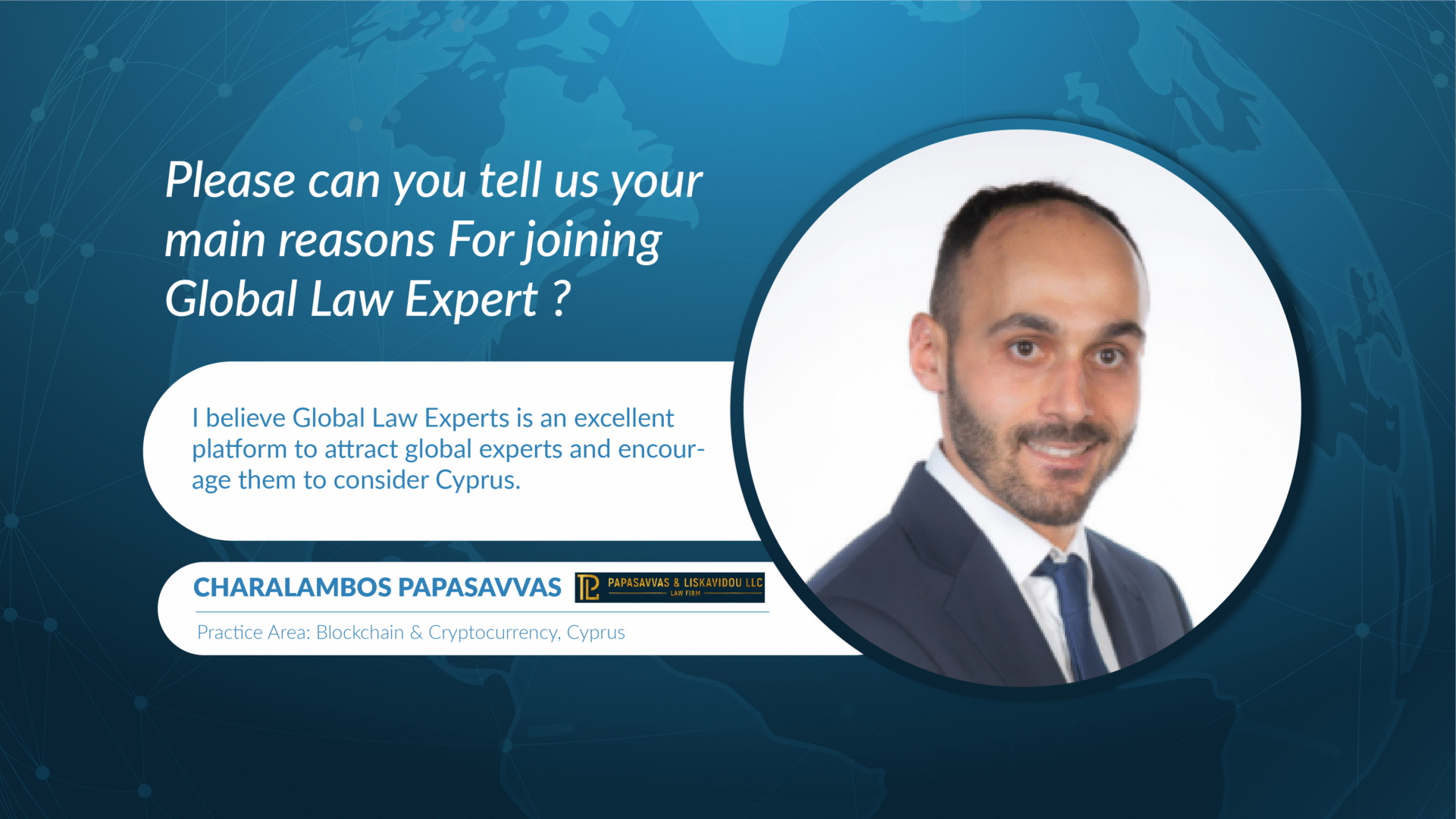
Testimonial-by-Charalambos-Papasavvas.png

Criminal Litigation FAQ's

A criminal litigation lawyer actively defends the accused in the courtroom by challenging the prosecution’s narrative and protecting the defendant’s procedural rights. Their primary tasks include cross-examining prosecution witnesses to expose inconsistencies or bias, objecting to improper questions or evidence to prevent the jury from hearing inadmissible information, and presenting the defense’s own evidence and witnesses. They deliver opening and closing arguments to frame the facts in a way that highlights “reasonable doubt,” aiming to persuade the jury or judge to acquit.

A lawyer navigates the trial through a rigid sequence of events. It begins with Jury Selection (Voir Dire), followed by Opening Statements where the lawyer outlines the defense theory. Next is the Case-in-Chief, where the lawyer cross-examines the prosecution’s witnesses and presents defense witnesses. After both sides rest, the lawyer delivers the closing arguments. The final stages are Jury Instructions, Deliberation, and the reading of the Verdict. If a conviction occurs, the lawyer manages the separate Sentencing Hearing.


Lawyers exclude damaging evidence by filing a “Motion in Limine” before the trial starts or by raising immediate objections during testimony. They argue that the evidence violates specific legal rules, such as being “Hearsay” (second-hand information), lacking a proper “Chain of Custody” (proof the evidence wasn’t tampered with), or being irrelevant to the charges. If the evidence was obtained through a violation of constitutional rights (like an illegal search), the lawyer files a “Motion to Suppress” to have the judge rule it inadmissible, often dismantling the prosecution’s case before the jury ever sees it.

Yes, representation is critical even when pleading guilty to ensure the sentence is fair and the plea is knowing and voluntary. A lawyer negotiates the terms of the plea deal to minimize jail time or fines, often securing an agreement to drop more serious charges in exchange for the plea. They also verify that the prosecutor has not coerced the plea and that you fully understand the collateral consequences, such as deportation risks or loss of professional licenses, which the judge is not required to explain to you.

An appeal is a request for a higher court to review the trial for legal errors, not a retrial of the facts. A lawyer reviews the trial transcripts to identify specific judicial mistakes, such as admitting evidence that should have been excluded or giving incorrect instructions to the jury. They file a written “Appellant’s Brief” arguing these legal points to the appellate court. If the court agrees that a significant error affected the verdict, they may reverse the conviction or order a new trial.

During voir dire, a lawyer questions potential jurors to identify bias that could prejudice the verdict. They use two types of challenges to remove jurors: Challenges for Cause, used when a juror admits they cannot be impartial (e.g., they are related to the victim), and Peremptory Challenges, which allow the lawyer to remove a limited number of jurors without stating a specific reason. Strategic use of these challenges shapes a jury panel that is more likely to be receptive to the defense’s arguments.

Yes, negotiating a plea bargain is a standard part of criminal litigation. A lawyer assesses the strength of the prosecutor’s evidence and uses potential weaknesses—such as a shaky witness or questionable forensic results—as leverage. They propose a deal where the defendant pleads guilty to a lesser offense or agrees to a specific, reduced sentence, thereby resolving the case quickly and removing the uncertainty and exposure of a public trial.

The standard in criminal litigation is “Beyond a Reasonable Doubt,” which is the highest burden in the legal system. The prosecutor must prove guilt to a near certainty (often visualized as 98–99%), meaning if there is any logical explanation other than guilt, the jury must acquit. In contrast, civil litigation uses the “Preponderance of the Evidence” standard, which merely requires proving that a claim is “more likely than not” true (51%). This difference explains why a defendant can be acquitted in a criminal trial but found liable for the same act in a civil lawsuit.

Criminal Litigation FAQ's

A criminal litigation lawyer actively defends the accused in the courtroom by challenging the prosecution's narrative and protecting the defendant's procedural rights. Their primary tasks include cross-examining prosecution witnesses to expose inconsistencies or bias, objecting to improper questions or evidence to prevent the jury from hearing inadmissible information, and presenting the defense's own evidence and witnesses. They deliver opening and closing arguments to frame the facts in a way that highlights "reasonable doubt," aiming to persuade the jury or judge to acquit.

A lawyer navigates the trial through a rigid sequence of events. It begins with Jury Selection (Voir Dire), followed by Opening Statements where the lawyer outlines the defense theory. Next is the Case-in-Chief, where the lawyer cross-examines the prosecution's witnesses and presents defense witnesses. After both sides rest, the lawyer delivers the closing arguments. The final stages are Jury Instructions, Deliberation, and the reading of the Verdict. If a conviction occurs, the lawyer manages the separate Sentencing Hearing.
Lawyers exclude damaging evidence by filing a "Motion in Limine" before the trial starts or by raising immediate objections during testimony. They argue that the evidence violates specific legal rules, such as being "Hearsay" (second-hand information), lacking a proper "Chain of Custody" (proof the evidence wasn't tampered with), or being irrelevant to the charges. If the evidence was obtained through a violation of constitutional rights (like an illegal search), the lawyer files a "Motion to Suppress" to have the judge rule it inadmissible, often dismantling the prosecution's case before the jury ever sees it.
Yes, representation is critical even when pleading guilty to ensure the sentence is fair and the plea is knowing and voluntary. A lawyer negotiates the terms of the plea deal to minimize jail time or fines, often securing an agreement to drop more serious charges in exchange for the plea. They also verify that the prosecutor has not coerced the plea and that you fully understand the collateral consequences, such as deportation risks or loss of professional licenses, which the judge is not required to explain to you.

An appeal is a request for a higher court to review the trial for legal errors, not a retrial of the facts. A lawyer reviews the trial transcripts to identify specific judicial mistakes, such as admitting evidence that should have been excluded or giving incorrect instructions to the jury. They file a written "Appellant's Brief" arguing these legal points to the appellate court. If the court agrees that a significant error affected the verdict, they may reverse the conviction or order a new trial.

During voir dire, a lawyer questions potential jurors to identify bias that could prejudice the verdict. They use two types of challenges to remove jurors: Challenges for Cause, used when a juror admits they cannot be impartial (e.g., they are related to the victim), and Peremptory Challenges, which allow the lawyer to remove a limited number of jurors without stating a specific reason. Strategic use of these challenges shapes a jury panel that is more likely to be receptive to the defense's arguments.

Yes, negotiating a plea bargain is a standard part of criminal litigation. A lawyer assesses the strength of the prosecutor's evidence and uses potential weaknesses—such as a shaky witness or questionable forensic results—as leverage. They propose a deal where the defendant pleads guilty to a lesser offense or agrees to a specific, reduced sentence, thereby resolving the case quickly and removing the uncertainty and exposure of a public trial.

The standard in criminal litigation is "Beyond a Reasonable Doubt," which is the highest burden in the legal system. The prosecutor must prove guilt to a near certainty (often visualized as 98–99%), meaning if there is any logical explanation other than guilt, the jury must acquit. In contrast, civil litigation uses the "Preponderance of the Evidence" standard, which merely requires proving that a claim is "more likely than not" true (51%). This difference explains why a defendant can be acquitted in a criminal trial but found liable for the same act in a civil lawsuit.

Join
who are already getting the benefits
0
Sign up for the latest legal briefings and news within Global Law Experts’ community, as well as a whole host of features, editorial and conference updates direct to your email inbox. Naturally you can unsubscribe at any time.
Newsletter Sign Up
About Us

Global Law Experts is dedicated to providing exceptional legal services to clients around the world. With a vast network of highly skilled and experienced lawyers, we are committed to delivering innovative and tailored solutions to meet the diverse needs of our clients in various jurisdictions.

Global Law Experts App

Now Available on the App & Google Play Stores.

Social Posts
[wp_social_ninja id="50714" platform="instagram"]

See More:

Contact Us

Stay Informed

Join Mailing List
About Us

Global Law Experts is dedicated to providing exceptional legal services to clients around the world. With a vast network of highly skilled and experienced lawyers, we are committed to delivering innovative and tailored solutions to meet the diverse needs of our clients in various jurisdictions.

Social Posts
[wp_social_ninja id="50714" platform="instagram"]

See More:

Global Law Experts App

Now Available on the App & Google Play Stores.

Contact Us

Stay Informed

Join Mailing List

GLE

Lawyer Profile Page - Lead Capture
GLE-Logo-White
Lawyer Profile Page - Lead Capture
Lawyer in a suit with a serious expression, posing against a textured background.

Hamraj Kang

Send welcome message

Custom Message