Global Law Experts
Lawyers
Countries Covered
Practice Areas
Discover award-winning Criminal Defence lawyers worldwide on Global Law Experts. Connect with independent legal experts for your legal needs.
No results available Reset filters?
Criminal defence is the tactical legal practice of representing individuals and organizations accused of wrongdoing. This field is centered on upholding Due Process, ensuring Constitutional Rights, and scrutinizing the prosecution’s evidence. Attorneys provide the vital framework for navigating Search and Seizure challenges, managing Bail Applications, and developing persuasive “Theory of the Case” strategies.
Global Law Experts connects you with premier trial lawyers who possess the technical and evidentiary depth required to dismantle complex charges. These practitioners handle Post-Conviction Relief, navigate the legalities of Asset Forfeiture, and manage high-stakes White-Collar investigations. They provide the strategic advocacy needed to protect your liberty and reputation in any legal forum.
Every GLE member is independently vetted by practice area and jurisdiction.
You should hire a lawyer the moment you believe you are under investigation or as soon as you are arrested, rather than waiting for formal charges to be filed. Early intervention allows a lawyer to communicate with law enforcement on your behalf, potentially preventing them from filing charges at all or negotiating a voluntary surrender to avoid a public arrest. In many cases, the “pre-charge” phase is the most critical window for defense; once the prosecutor formally files the indictment, the legal machinery becomes much harder and more expensive to stop.
If an officer reads you your rights, it means you are in custody and being interrogated, and you must immediately exercise your right to remain silent and request an attorney. Do not try to explain your side of the story or talk your way out of the situation, as police are trained to use anything you say to build a case against you. Simply state clearly, “I am invoking my right to remain silent and I want a lawyer,” and then stop talking completely until your legal counsel arrives to guide you.
Trial preparation involves a rigorous process of “discovery review” and strategic storytelling. The lawyer analyzes every piece of evidence the prosecutor has—police reports, body camera footage, and witness statements—to find inconsistencies or procedural errors. They also prepare for “Voir Dire” (jury selection), crafting specific questions to identify and remove potential jurors who might be biased against you, ensuring that the final panel is fair and open to the defense’s theory of the case.
Yes, filing a “Motion to Suppress” is one of a defense lawyer’s most powerful tools. Under the “Exclusionary Rule” in the US (and similar laws like PACE in the UK), if police violated your constitutional rights during a search—such as entering your home without a warrant or probable cause—any evidence they found is considered “fruit of the poisonous tree.” A lawyer argues this motion before a judge, and if successful, the evidence is thrown out; often, this leaves the prosecutor with no case, leading to a dismissal of the charges.
Defense strategies generally fall into three categories: denial (I didn’t do it), justification (I did it, but had a good reason), or procedural failure (the police messed up). Common affirmative defenses include Self-Defense, where the lawyer argues reasonable force was necessary for protection, and Alibi, proving you were somewhere else when the crime occurred. Alternatively, the lawyer may simply focus on Reasonable Doubt, attacking the credibility of the state’s witnesses and forensic science to prove the prosecutor has not met the high burden of proof required for a conviction.

If a conviction occurs, a lawyer shifts their focus to “mitigation” to secure the lightest possible penalty. They draft a sentencing memorandum that humanizes you to the judge, presenting evidence of your good character, steady employment, family responsibilities, and lack of prior criminal history. In jurisdictions with strict sentencing guidelines (like the US Federal system), a lawyer argues for “downward departures” or variances, providing legal reasons why the standard mandatory minimum sentence is too harsh for your specific situation.
An expert witness provides specialized scientific or technical knowledge that can challenge the prosecutor’s narrative. For example, a defense lawyer might hire a forensic toxicologist to dispute a breathalyzer result in a DUI case or a digital forensics expert to prove that incriminating files were placed on a computer by a hacker, not the defendant. These experts are crucial because they can explain complex data to a jury in a way that casts doubt on the reliability of the state’s forensic evidence.
Yes, and having a lawyer present is the most effective way to protect yourself during questioning. When a lawyer is in the room, they act as a buffer between you and the investigators, preventing police from using psychological manipulation or high-pressure tactics to coerce a false confession. They will instruct you on which questions to answer and which to refuse, ensuring that you do not accidentally admit to a crime or provide information that could be twisted to make you look guilty.
You should hire a lawyer the moment you believe you are under investigation or as soon as you are arrested, rather than waiting for formal charges to be filed. Early intervention allows a lawyer to communicate with law enforcement on your behalf, potentially preventing them from filing charges at all or negotiating a voluntary surrender to avoid a public arrest. In many cases, the "pre-charge" phase is the most critical window for defense; once the prosecutor formally files the indictment, the legal machinery becomes much harder and more expensive to stop.
If an officer reads you your rights, it means you are in custody and being interrogated, and you must immediately exercise your right to remain silent and request an attorney. Do not try to explain your side of the story or talk your way out of the situation, as police are trained to use anything you say to build a case against you. Simply state clearly, "I am invoking my right to remain silent and I want a lawyer," and then stop talking completely until your legal counsel arrives to guide you.
Trial preparation involves a rigorous process of "discovery review" and strategic storytelling. The lawyer analyzes every piece of evidence the prosecutor has—police reports, body camera footage, and witness statements—to find inconsistencies or procedural errors. They also prepare for "Voir Dire" (jury selection), crafting specific questions to identify and remove potential jurors who might be biased against you, ensuring that the final panel is fair and open to the defense's theory of the case.
Yes, filing a "Motion to Suppress" is one of a defense lawyer's most powerful tools. Under the "Exclusionary Rule" in the US (and similar laws like PACE in the UK), if police violated your constitutional rights during a search—such as entering your home without a warrant or probable cause—any evidence they found is considered "fruit of the poisonous tree." A lawyer argues this motion before a judge, and if successful, the evidence is thrown out; often, this leaves the prosecutor with no case, leading to a dismissal of the charges.
Defense strategies generally fall into three categories: denial (I didn't do it), justification (I did it, but had a good reason), or procedural failure (the police messed up). Common affirmative defenses include Self-Defense, where the lawyer argues reasonable force was necessary for protection, and Alibi, proving you were somewhere else when the crime occurred. Alternatively, the lawyer may simply focus on Reasonable Doubt, attacking the credibility of the state's witnesses and forensic science to prove the prosecutor has not met the high burden of proof required for a conviction.

If a conviction occurs, a lawyer shifts their focus to "mitigation" to secure the lightest possible penalty. They draft a sentencing memorandum that humanizes you to the judge, presenting evidence of your good character, steady employment, family responsibilities, and lack of prior criminal history. In jurisdictions with strict sentencing guidelines (like the US Federal system), a lawyer argues for "downward departures" or variances, providing legal reasons why the standard mandatory minimum sentence is too harsh for your specific situation.

An expert witness provides specialized scientific or technical knowledge that can challenge the prosecutor's narrative. For example, a defense lawyer might hire a forensic toxicologist to dispute a breathalyzer result in a DUI case or a digital forensics expert to prove that incriminating files were placed on a computer by a hacker, not the defendant. These experts are crucial because they can explain complex data to a jury in a way that casts doubt on the reliability of the state's forensic evidence.
Yes, and having a lawyer present is the most effective way to protect yourself during questioning. When a lawyer is in the room, they act as a buffer between you and the investigators, preventing police from using psychological manipulation or high-pressure tactics to coerce a false confession. They will instruct you on which questions to answer and which to refuse, ensuring that you do not accidentally admit to a crime or provide information that could be twisted to make you look guilty.
Global Law Experts is dedicated to providing exceptional legal services to clients around the world. With a vast network of highly skilled and experienced lawyers, we are committed to delivering innovative and tailored solutions to meet the diverse needs of our clients in various jurisdictions.
Thinking of buying property in Brazil? Start with a full legal safety net.
✔️ Check title and ownership history
✔️ Verify no debts or disputes
✔️ Confirm zoning and permits.
#BrazilProperty #RealEstateInvesting #LegalDueDiligence #ForeignInvestment #PropertyLaw #GlobalRealEstate #InvestmentRisk #BrazilLaw
When your international business faces financial distress, quick action is key! 🔑 Negotiating with creditors, restructuring debt, and understanding insolvency laws can help regain stability. Global Law Experts is here to guide you through your options.
🌍Explore the details on our website.
🔗Link in bio
#GlobalLawExperts #CommercialLaw #BusinessLaw #LegalAdvice #BusinessGrowth #LegalTips #BusinessStrategy #LegalCompliance #Law #LegalKnowledge #LegalAwareness #Law101 #LegalEducation #IntellectualProperty
Thinking of buying property in Brazil? Don’t stop at the contract or key handover. Make sure the title is officially registered before calling it yours.
#BrazilRealEstate #PropertyLaw #GlobalInvestment #ForeignInvestors #LegalTips #DueDiligence #RealEstateRegistration #SecureInvestment
Getting a termination notice right now? Know your rights. Valid reason, fair process, proper notice they matter. Don’t let a bad dismissal walk away without accountability.
#EmploymentLaw #WorkerRights #Termination #LaborLaw #FairDismissal #WorkplaceJustice #LegalAwareness #GlobalWorkforce
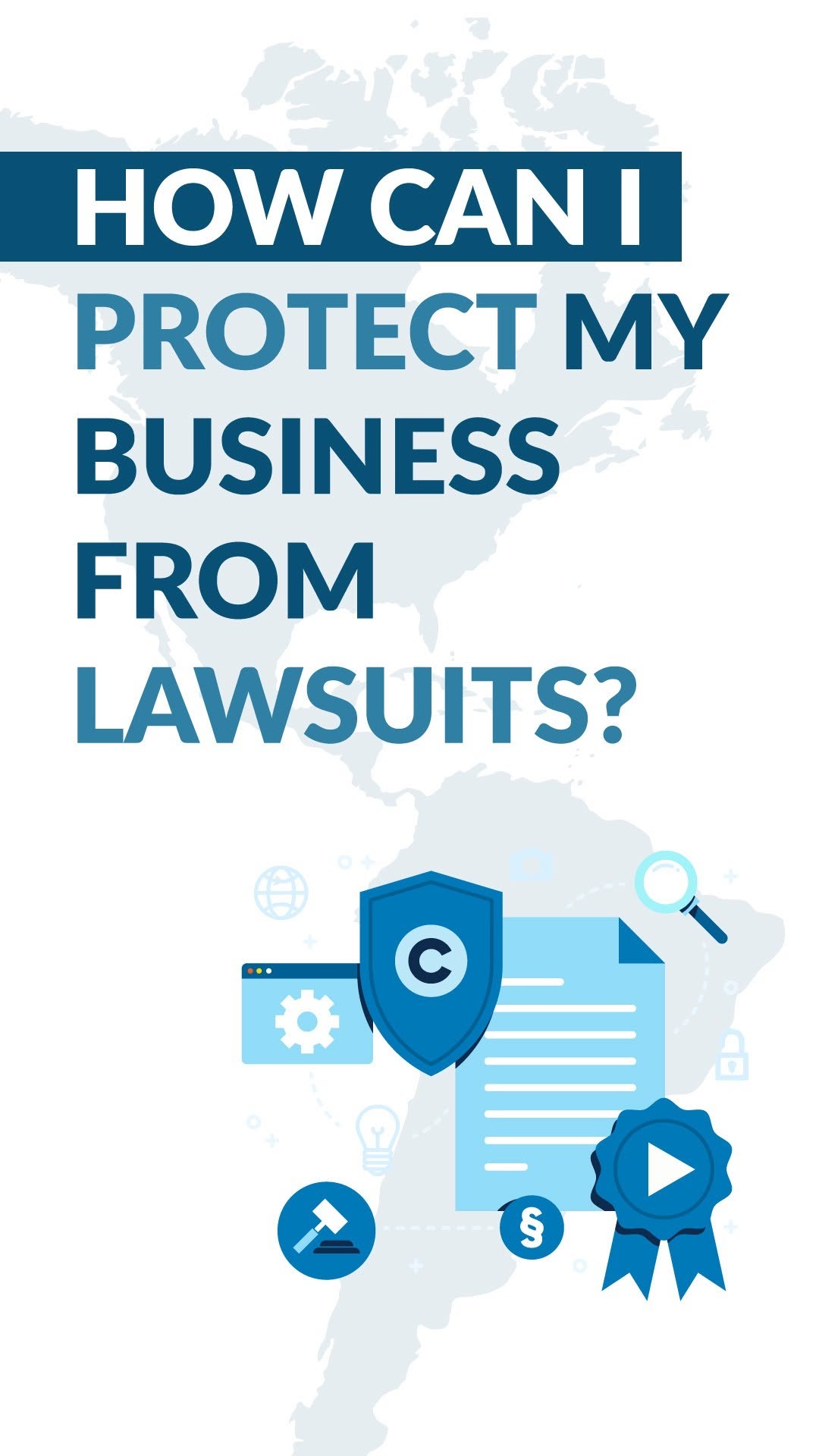
Running a business is hard enough — lawsuits shouldn’t make it harder. 🚫 Protect your business with the right legal strategies and expert tools from Global Law Experts. Let’s secure your future together! 💼
🌍Explore the details on our website.
➡️www.globallawexperts.com
#GlobalLawExperts #CommercialLaw #BusinessLaw #LegalAdvice #BusinessGrowth #LegalTips #BusinessStrategy #LegalCompliance #Law #LegalKnowledge #LegalAwareness #Law101 #LegalEducation #IntellectualProperty #Infringed #Ecommerce #LegalBranding
Global Law Experts is dedicated to providing exceptional legal services to clients around the world. With a vast network of highly skilled and experienced lawyers, we are committed to delivering innovative and tailored solutions to meet the diverse needs of our clients in various jurisdictions.
Thinking of buying property in Brazil? Start with a full legal safety net.
✔️ Check title and ownership history
✔️ Verify no debts or disputes
✔️ Confirm zoning and permits.
#BrazilProperty #RealEstateInvesting #LegalDueDiligence #ForeignInvestment #PropertyLaw #GlobalRealEstate #InvestmentRisk #BrazilLaw
When your international business faces financial distress, quick action is key! 🔑 Negotiating with creditors, restructuring debt, and understanding insolvency laws can help regain stability. Global Law Experts is here to guide you through your options.
🌍Explore the details on our website.
🔗Link in bio
#GlobalLawExperts #CommercialLaw #BusinessLaw #LegalAdvice #BusinessGrowth #LegalTips #BusinessStrategy #LegalCompliance #Law #LegalKnowledge #LegalAwareness #Law101 #LegalEducation #IntellectualProperty
Thinking of buying property in Brazil? Don’t stop at the contract or key handover. Make sure the title is officially registered before calling it yours.
#BrazilRealEstate #PropertyLaw #GlobalInvestment #ForeignInvestors #LegalTips #DueDiligence #RealEstateRegistration #SecureInvestment
Getting a termination notice right now? Know your rights. Valid reason, fair process, proper notice they matter. Don’t let a bad dismissal walk away without accountability.
#EmploymentLaw #WorkerRights #Termination #LaborLaw #FairDismissal #WorkplaceJustice #LegalAwareness #GlobalWorkforce
Running a business is hard enough — lawsuits shouldn’t make it harder. 🚫 Protect your business with the right legal strategies and expert tools from Global Law Experts. Let’s secure your future together! 💼
🌍Explore the details on our website.
➡️www.globallawexperts.com
#GlobalLawExperts #CommercialLaw #BusinessLaw #LegalAdvice #BusinessGrowth #LegalTips #BusinessStrategy #LegalCompliance #Law #LegalKnowledge #LegalAwareness #Law101 #LegalEducation #IntellectualProperty #Infringed #Ecommerce #LegalBranding
Send welcome message