[codicts-css-switcher id=”346″]

Global Law Experts Logo

Competition Litigation Lawyers Worldwide.

Global Law Experts

Meet Our Competition Litigation Lawyers

Discover independent Competition Litigation lawyers recognized by Global Law Experts. Explore expertise, awards, and connect with legal experts worldwide.

Legal
Country
Competition Litigation
Legal
Country
Competition Litigation
2 results

Greta Engelbrecht

  • GOLD

Email:

Phone:

011 29*****
Photo-lawyerwoman3.png
Logo-groupone10.png

Greta Engelbrecht

  • GOLD
Competition Litigation Law in South Africa
  • Group One Advocates

Mark Brealey KC

  • GOLD

Email:

Phone:

+44 (0*****
Mark Brealey KC
Monckton Chambers

Mark Brealey KC

  • GOLD
Competition Litigation Law in United Kingdom
  • Monckton Chambers

Competition Litigation News

Find Expert Competition Litigation Lawyers Through Global Law Experts

Protect Your Business with The Best Competition Litigation Legal Counsel

Competition litigation involves legal disputes arising from alleged anti-competitive conduct, unfair trade practices, and violations of competition law. Whether you’re defending against claims or pursuing enforcement, having seasoned legal representation is essential to protect your market position and financial interests.

Global Law Experts connects you with experienced competition litigation lawyers who provide strategic, tailored counsel throughout complex disputes. Our vetted specialists assist with case strategy, discovery, motion practice, settlement negotiations, appeals, and enforcement—helping you navigate litigation effectively and achieve the best possible outcomes.

Professional Competition Litigation Help You Can Trust

We will help match you with a qualified Competition Litigation law specialist who can offer reliable advice, clarify your options, and guide you through the next steps in the legal process.
Main Lead Capture Form - Home

Every GLE member is independently vetted by practice area and jurisdiction.

Client Success Stories

Testimonial-by-Jonathan-Gilmour.png
Testimonial-by-Tarek-Fouad-Riad.png
Testimonial-by-Zia-J.-Mody.png
Testimonial-by-Virginie-Tassin-Campanella.png
Testimonial-by-Marta-Dunphy-Moriel.png
Testimonial-by-Mario-Alberto-Arias-V.png
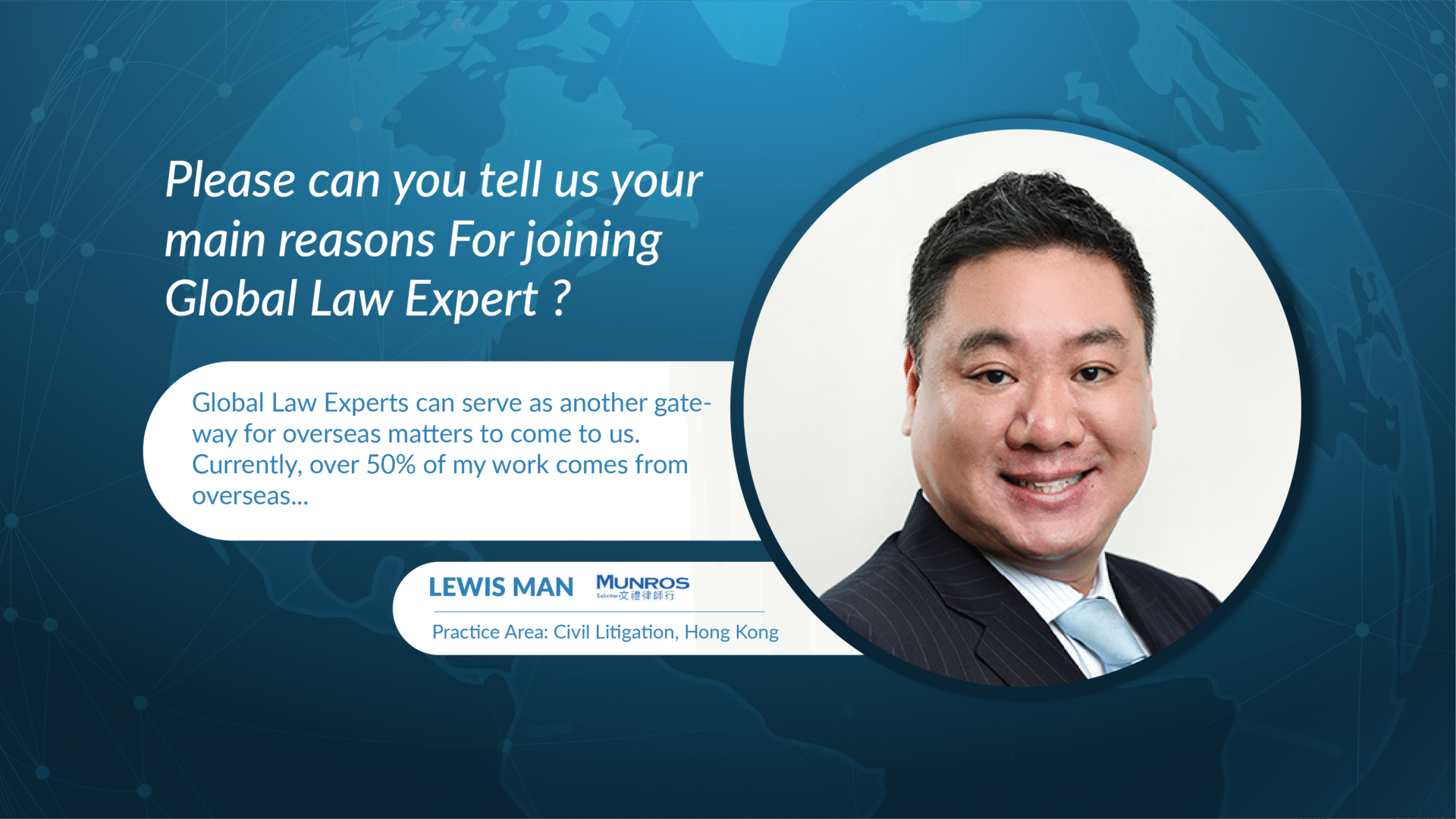
Testimonial-by-Lewis-Man.png
Testimonial-by-Kerwin-K.-Tan.png
Testimonial-by-Elena-Sadovskaya.png
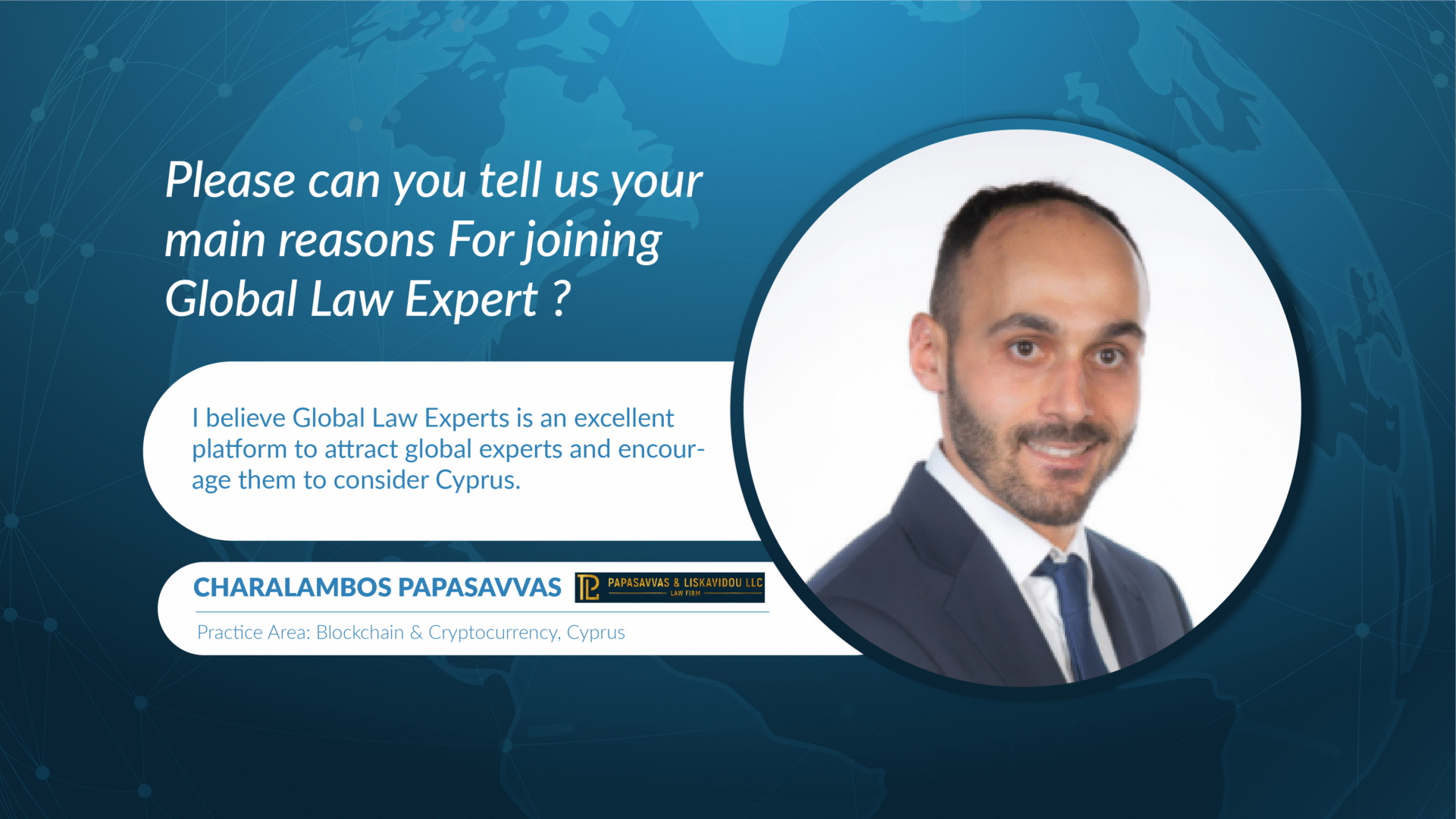
Testimonial-by-Charalambos-Papasavvas.png

Competition Litigation FAQ's

These lawyers handle high-stakes disputes where market fairness is the central issue, primarily Cartel Damages (suing price-fixers), Abuse of Dominance (suing a monopoly for bullying competitors), and Class Actions. They essentially act as private enforcers of antitrust laws; while government regulators (like the DOJ or CMA) fine companies for breaking the law, competition litigators sue those companies to get money back for the businesses and consumers who were ripped off.

Yes, and you don’t even need to be their direct customer to do it. If a supplier fixed prices (e.g., for LCD screens or truck parts), anyone who bought a product containing that part can potentially sue for the “overcharge”—the extra money you paid because the price was artificially inflated. In the US, successful plaintiffs are entitled to “Treble Damages” (three times the actual loss), which is a unique punitive measure designed to encourage victims to come forward.

Competition class actions aggregate millions of small claims into one massive lawsuit. In the US, these are “Opt-Out” by default (everyone is included unless they leave). In the UK, the regime has recently shifted to allow US-style “Opt-Out” claims in the Competition Appeal Tribunal (CAT); this has led to a surge in mega-cases, such as the £14 billion claim against Mastercard on behalf of 46 million British consumers, which would have been impossible under the old rules.

This is the defendant’s favorite shield. If you sue a supplier for overcharging you by 10%, they will argue that you didn’t actually lose any money because you “passed on” that extra cost to your own customers by raising your prices. If the court accepts this defense, your damages are reduced to zero because you technically suffered no financial loss. However, proving exactly how much cost was passed on requires complex economic evidence that lawyers fight over for years.

Yes, and you need one immediately because leniency is a “winner-takes-all” race. The first company to report the cartel to regulators (like the CMA or DOJ) usually gets 100% immunity from fines and jail time, while the second company might only get a 50% reduction. A lawyer manages this by securing a “marker”—a placeholder that reserves your spot at the front of the line while they gather the internal evidence needed to perfect your confession.

Damages are calculated by finding the difference between the “actual price” you paid and the “but-for price”—the theoretical price you would have paid if the cartel hadn’t existed. Economists use regression analysis to estimate this “but-for” price, typically finding that cartels inflate prices by an average of 20%. You are then owed that 20% overcharge multiplied by the total volume of goods you bought during the entire conspiracy period.

Yes, a defense lawyer’s primary strategy is to prove that your aggressive conduct was “Objectively Justified.” For example, if you refused to supply a competitor, your lawyer might argue it wasn’t to destroy them, but because they had poor credit history (a valid commercial reason). Alternatively, they will argue “efficiencies”—that your actions, while tough on competitors, actually lowered prices or improved innovation for consumers, which is the ultimate goal of competition law.


A “follow-on” claim is the easiest type of lawsuit to win because the hard work is already done. It occurs after a regulator (like the European Commission or CMA) has already investigated and issued a formal decision proving the company broke the law. In these cases, you don’t need to prove liability (guilt); the court accepts the regulator’s decision as fact, so the trial focuses strictly on calculating how much money the defendant owes you.

Competition Litigation FAQ's

These lawyers handle high-stakes disputes where market fairness is the central issue, primarily Cartel Damages (suing price-fixers), Abuse of Dominance (suing a monopoly for bullying competitors), and Class Actions. They essentially act as private enforcers of antitrust laws; while government regulators (like the DOJ or CMA) fine companies for breaking the law, competition litigators sue those companies to get money back for the businesses and consumers who were ripped off.

Yes, and you don't even need to be their direct customer to do it. If a supplier fixed prices (e.g., for LCD screens or truck parts), anyone who bought a product containing that part can potentially sue for the "overcharge"—the extra money you paid because the price was artificially inflated. In the US, successful plaintiffs are entitled to "Treble Damages" (three times the actual loss), which is a unique punitive measure designed to encourage victims to come forward.

Competition class actions aggregate millions of small claims into one massive lawsuit. In the US, these are "Opt-Out" by default (everyone is included unless they leave). In the UK, the regime has recently shifted to allow US-style "Opt-Out" claims in the Competition Appeal Tribunal (CAT); this has led to a surge in mega-cases, such as the £14 billion claim against Mastercard on behalf of 46 million British consumers, which would have been impossible under the old rules.

This is the defendant's favorite shield. If you sue a supplier for overcharging you by 10%, they will argue that you didn't actually lose any money because you "passed on" that extra cost to your own customers by raising your prices. If the court accepts this defense, your damages are reduced to zero because you technically suffered no financial loss. However, proving exactly how much cost was passed on requires complex economic evidence that lawyers fight over for years.

Yes, and you need one immediately because leniency is a "winner-takes-all" race. The first company to report the cartel to regulators (like the CMA or DOJ) usually gets 100% immunity from fines and jail time, while the second company might only get a 50% reduction. A lawyer manages this by securing a "marker"—a placeholder that reserves your spot at the front of the line while they gather the internal evidence needed to perfect your confession.

Damages are calculated by finding the difference between the "actual price" you paid and the "but-for price"—the theoretical price you would have paid if the cartel hadn't existed. Economists use regression analysis to estimate this "but-for" price, typically finding that cartels inflate prices by an average of 20%. You are then owed that 20% overcharge multiplied by the total volume of goods you bought during the entire conspiracy period.

Yes, a defense lawyer's primary strategy is to prove that your aggressive conduct was "Objectively Justified." For example, if you refused to supply a competitor, your lawyer might argue it wasn't to destroy them, but because they had poor credit history (a valid commercial reason). Alternatively, they will argue "efficiencies"—that your actions, while tough on competitors, actually lowered prices or improved innovation for consumers, which is the ultimate goal of competition law.

A "follow-on" claim is the easiest type of lawsuit to win because the hard work is already done. It occurs after a regulator (like the European Commission or CMA) has already investigated and issued a formal decision proving the company broke the law. In these cases, you don't need to prove liability (guilt); the court accepts the regulator's decision as fact, so the trial focuses strictly on calculating how much money the defendant owes you.

Join
who are already getting the benefits
0
Sign up for the latest legal briefings and news within Global Law Experts’ community, as well as a whole host of features, editorial and conference updates direct to your email inbox. Naturally you can unsubscribe at any time.
Newsletter Sign Up
About Us

Global Law Experts is dedicated to providing exceptional legal services to clients around the world. With a vast network of highly skilled and experienced lawyers, we are committed to delivering innovative and tailored solutions to meet the diverse needs of our clients in various jurisdictions.

Global Law Experts App

Now Available on the App & Google Play Stores.

Social Posts
[wp_social_ninja id="50714" platform="instagram"]

See More:

Contact Us

Stay Informed

Join Mailing List
About Us

Global Law Experts is dedicated to providing exceptional legal services to clients around the world. With a vast network of highly skilled and experienced lawyers, we are committed to delivering innovative and tailored solutions to meet the diverse needs of our clients in various jurisdictions.

Social Posts
[wp_social_ninja id="50714" platform="instagram"]

See More:

Global Law Experts App

Now Available on the App & Google Play Stores.

Contact Us

Stay Informed

Join Mailing List

GLE

Lawyer Profile Page - Lead Capture
GLE-Logo-White
Lawyer Profile Page - Lead Capture
Mark Brealey KC

Mark Brealey KC

Send welcome message

Custom Message