[codicts-css-switcher id=”346″]

Global Law Experts Logo
Arnaud Tailfer Joins Global Law Experts as Exclusive Member for International Tax Law in France | GLE News

Commercial Transactions Lawyers Worldwide.

Global Law Experts

Meet Our Commercial Transactions Lawyers

Discover independent Commercial Transactions attorneys worldwide on Global Law Experts. Connect with award-winning legal experts for your commercial needs.

Legal
Country
Commercial Transactions
Legal
Country
Commercial Transactions
One result

Rachael Weil

  • GOLD

Email:

Phone:

+27011*****
Professional with blonde hair smiling, in a dark shirt, in a neutral setting suitable for a legal profile.
SWVG INC Attorneys logo featuring a geometric fox design and firm name prominently displayed.

Rachael Weil

  • GOLD
Commercial Transactions Law in South Africa
  • SWVG Inc
  • GOLD

Commercial Transactions News

Find Expert Commercial Transactions Lawyers Through Global Law Experts

Facilitate Business Deals with The Best Commercial Transactions Legal Counsel

Commercial transactions are the lifeblood of business growth—from sales and purchases to complex corporate deals and cross-border arrangements. Whether you’re structuring agreements, managing due diligence, or navigating regulatory requirements, having experienced legal guidance ensures your interests are protected at every step.

Global Law Experts connects you with seasoned commercial transactions lawyers who provide strategic, tailored counsel for businesses of all sizes. Our vetted specialists assist with drafting and negotiating transactional documents, analyzing risk, facilitating closings, and resolving disputes—helping you execute deals with confidence and legal clarity.

Professional Commercial Transactions Help You Can Trust

We will help match you with a qualified Commercial Transactions law specialist who can offer reliable advice, clarify your options, and guide you through the next steps in the legal process.
Lead Enquiries Qualification

Every GLE member is independently vetted by practice area and jurisdiction.

Client Success Stories

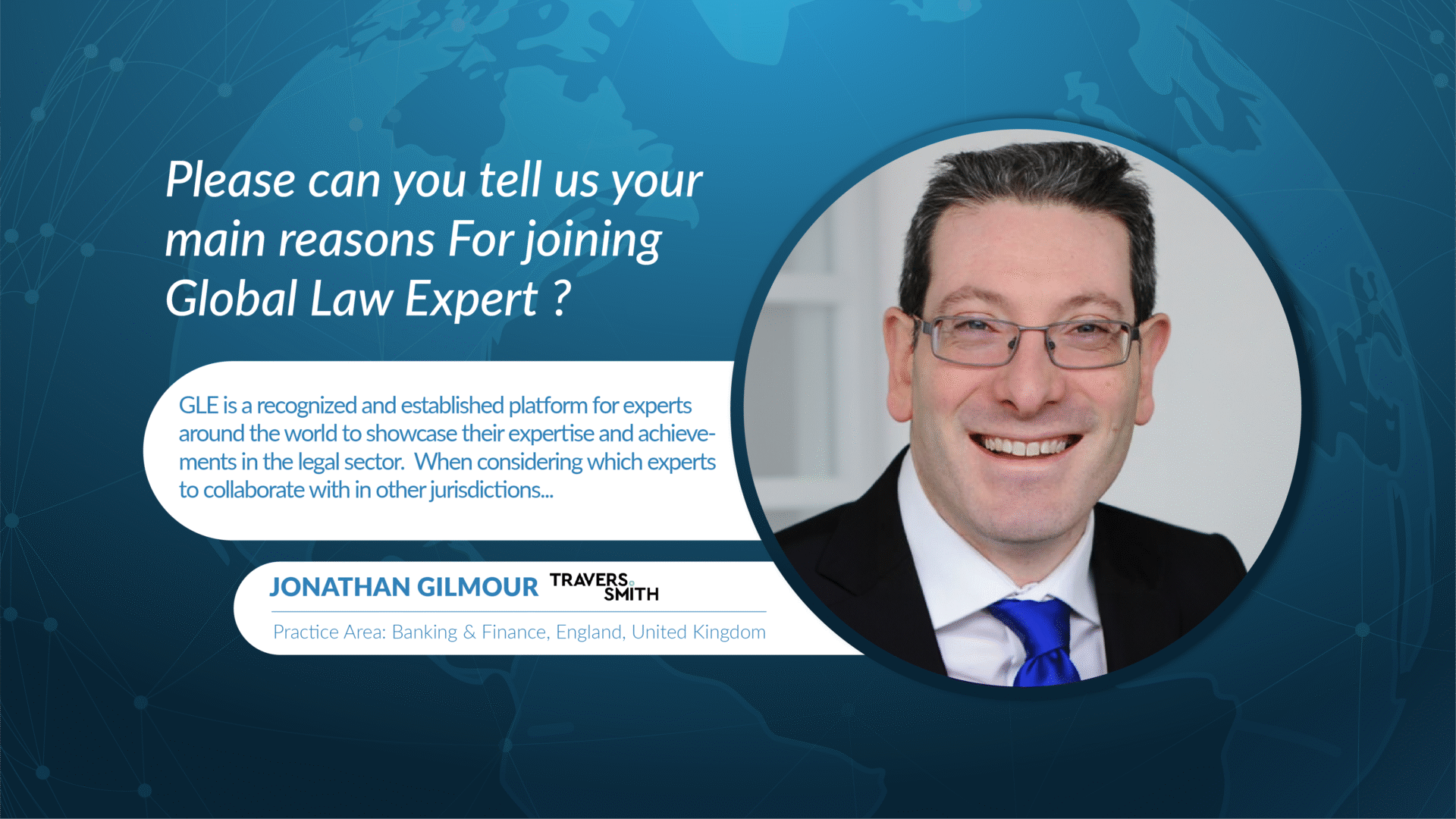
Testimonial-by-Jonathan-Gilmour.png
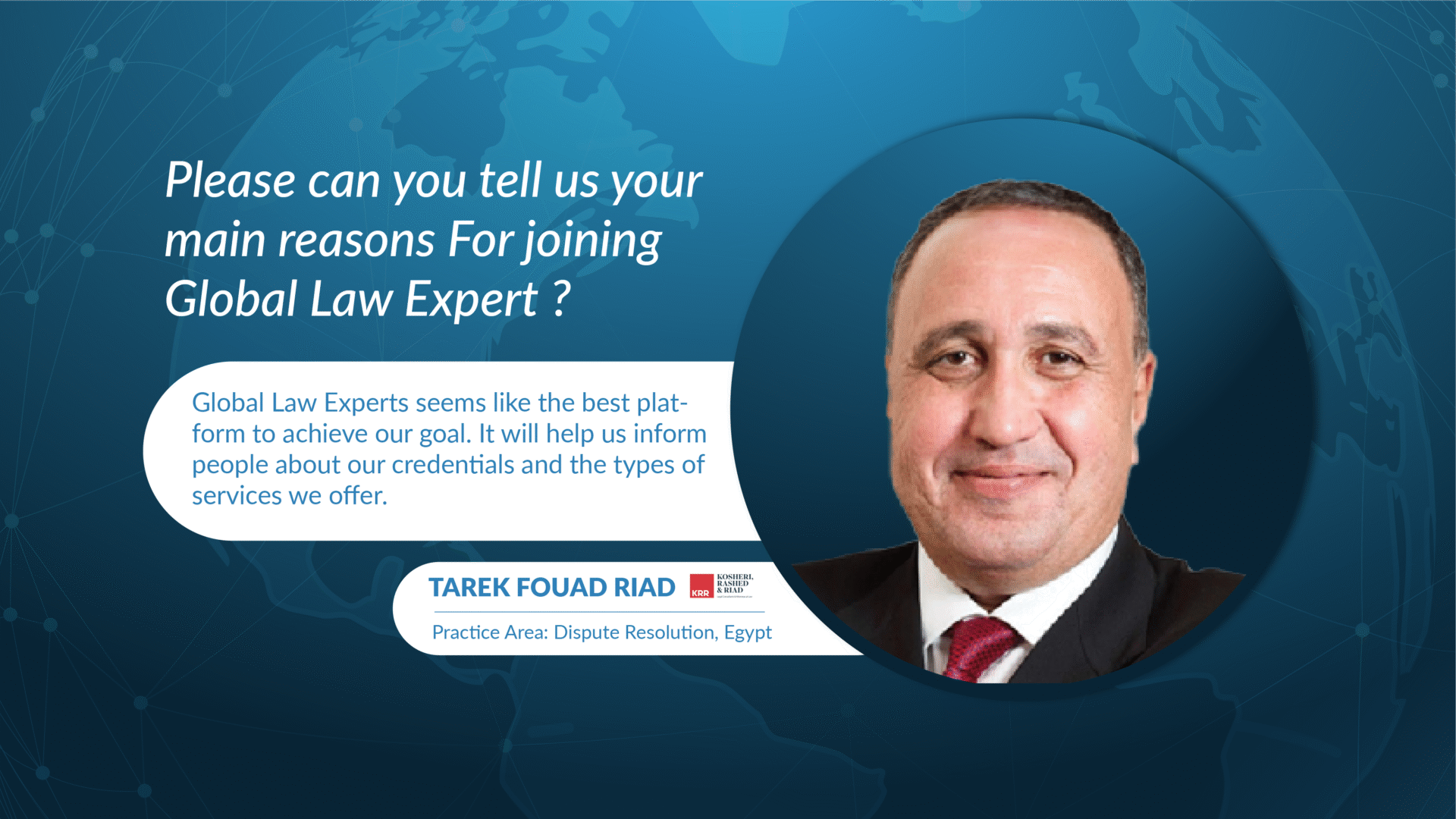
Testimonial-by-Tarek-Fouad-Riad.png
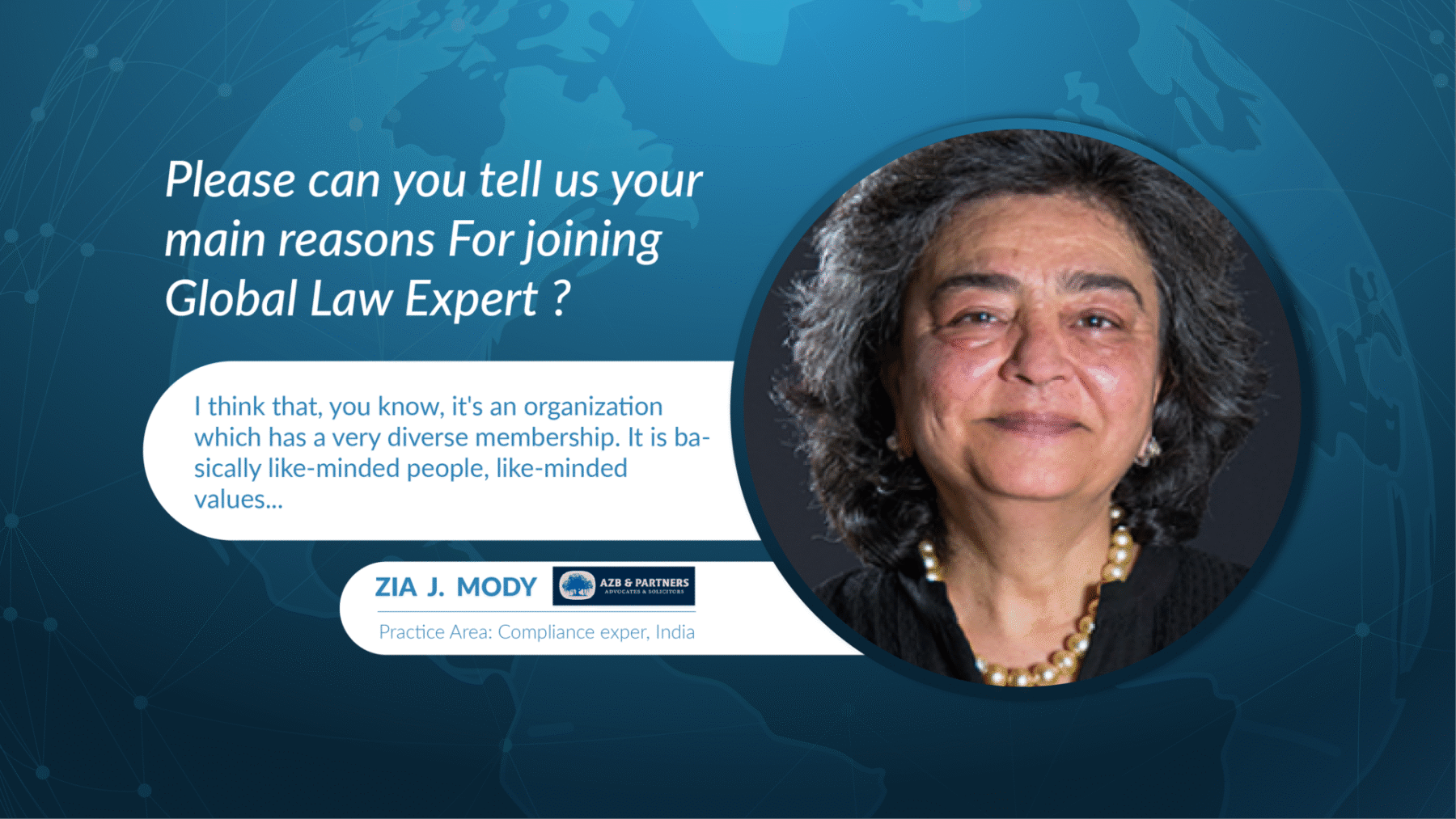
Testimonial-by-Zia-J.-Mody.png
Testimonial-by-Virginie-Tassin-Campanella.png
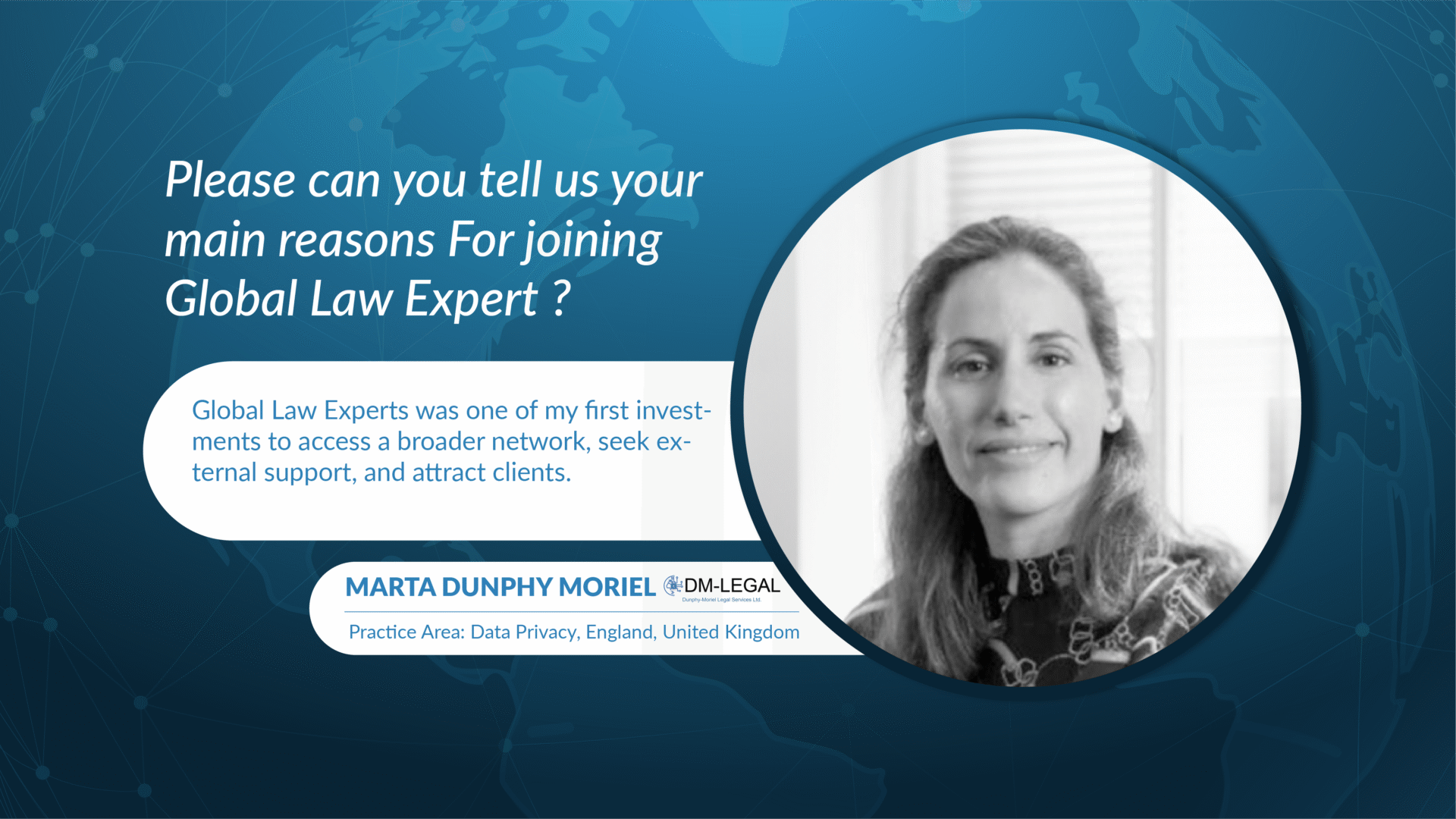
Testimonial-by-Marta-Dunphy-Moriel.png
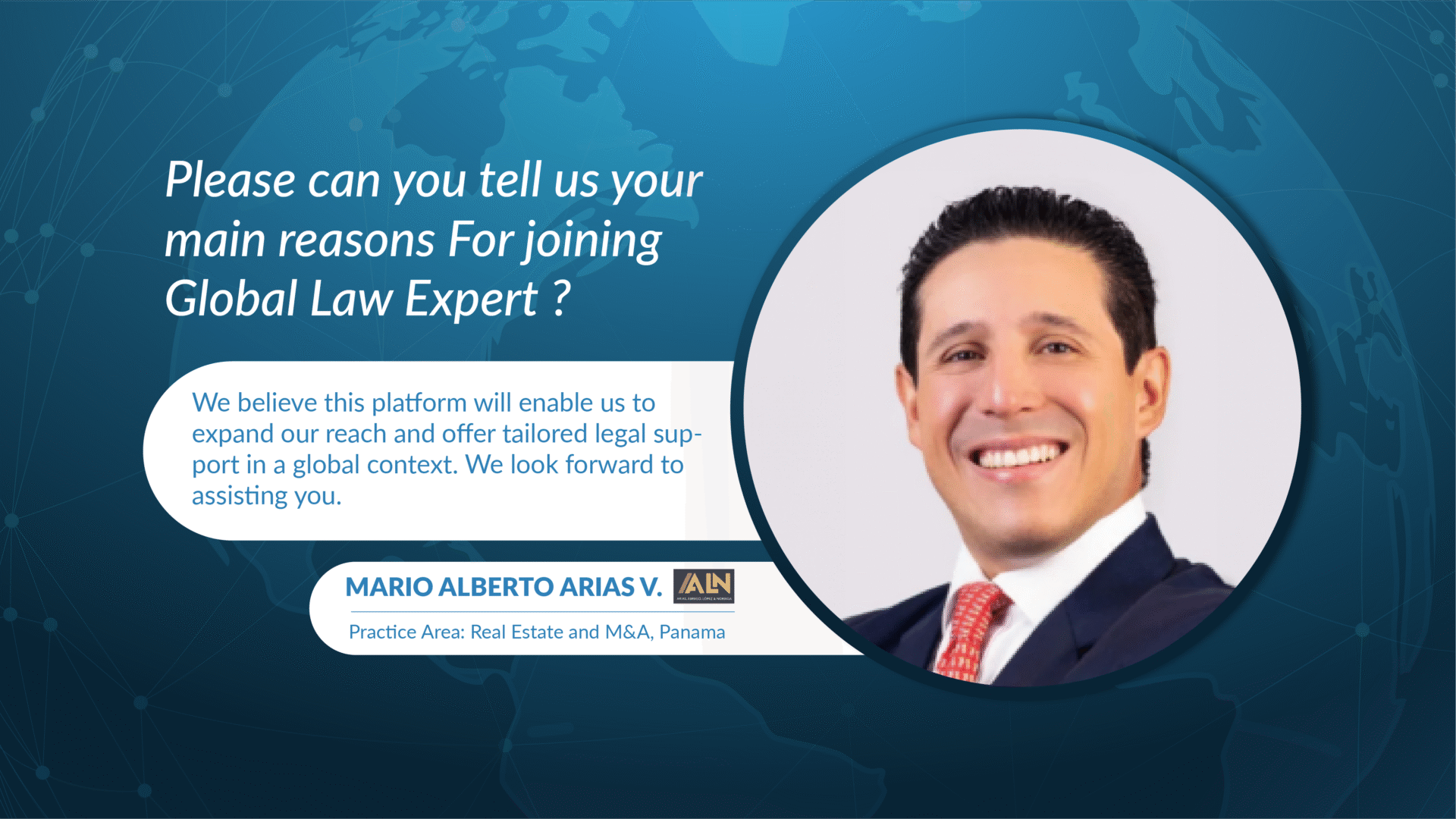
Testimonial-by-Mario-Alberto-Arias-V.png
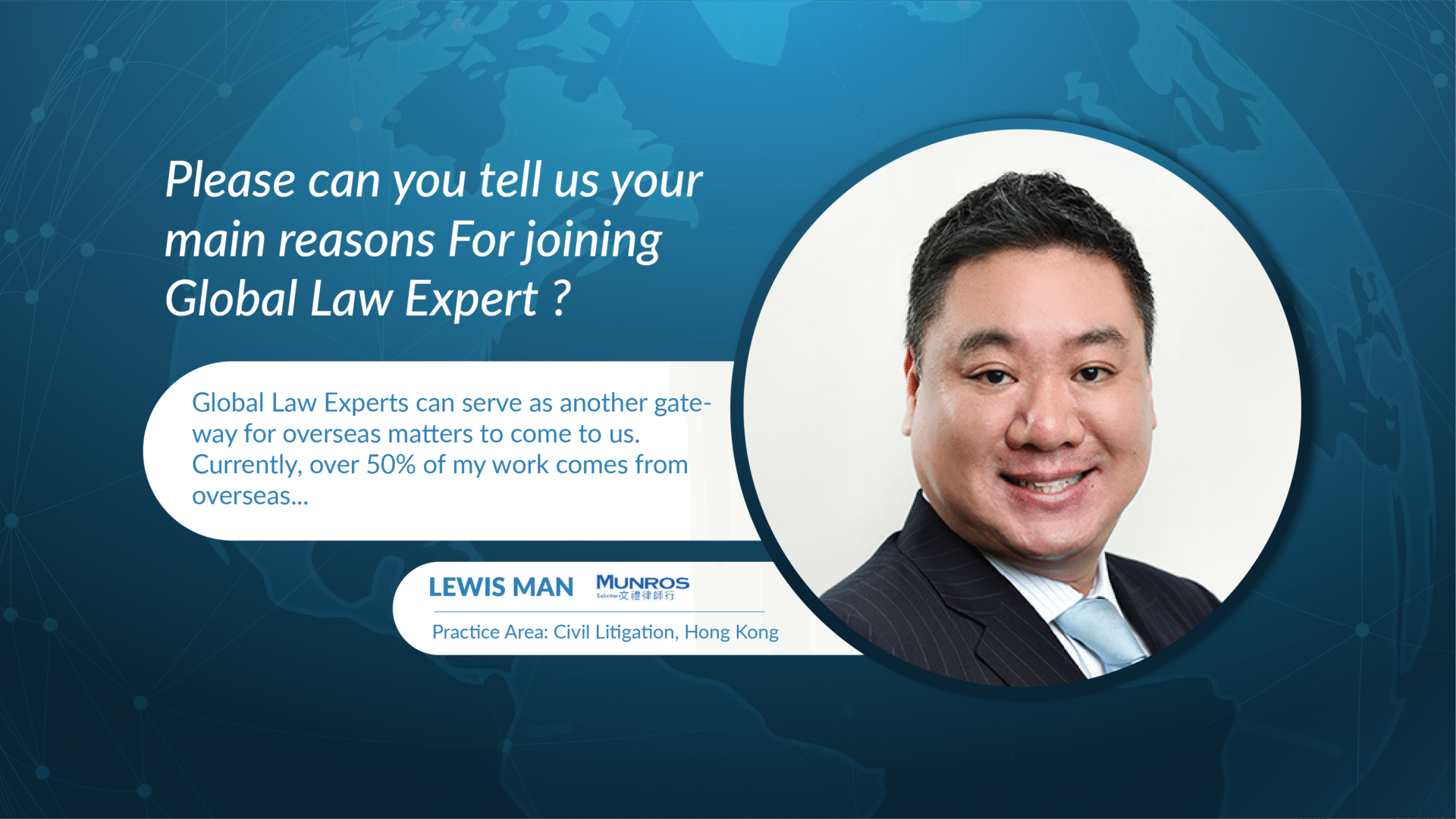
Testimonial-by-Lewis-Man.png
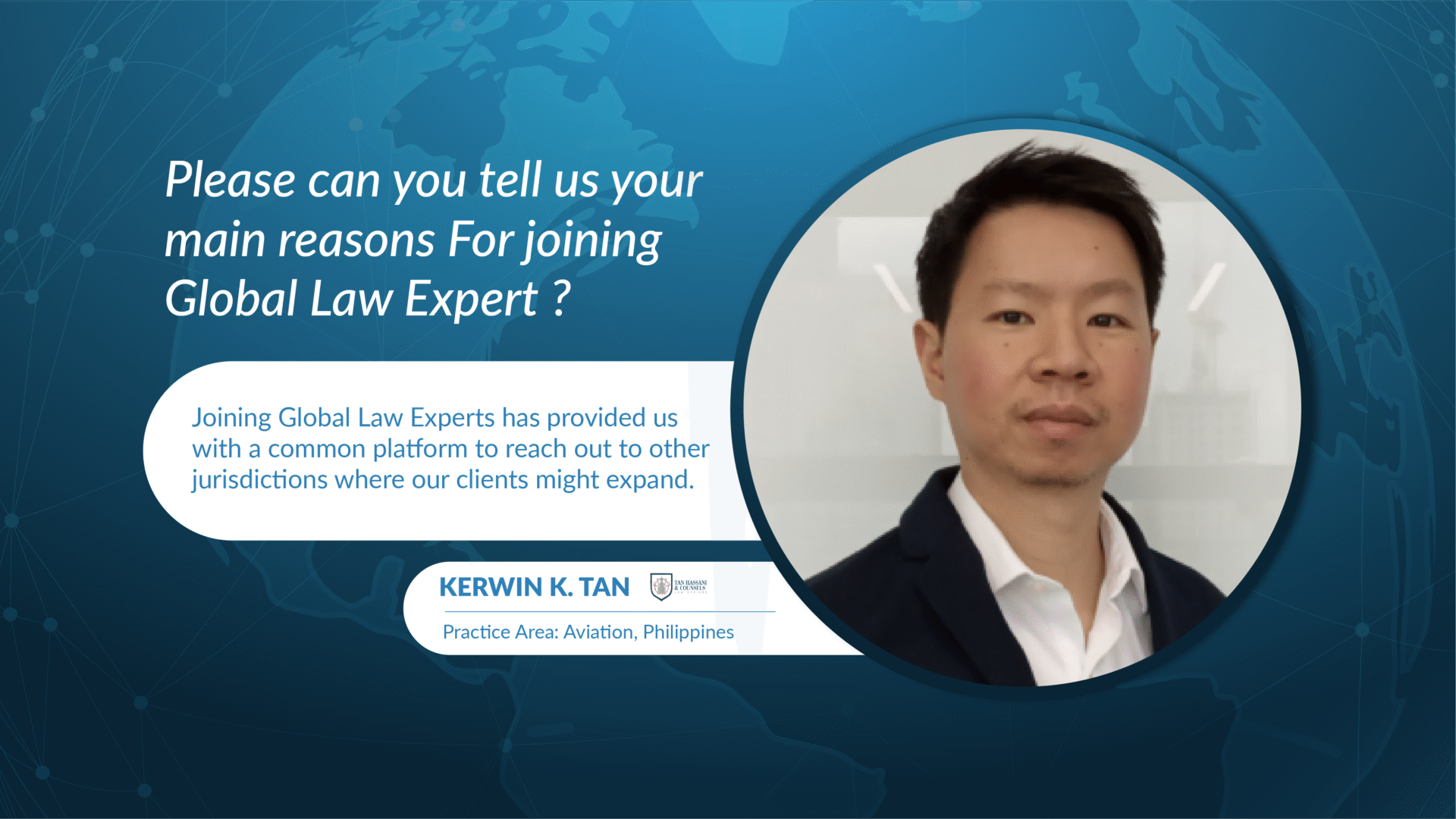
Testimonial-by-Kerwin-K.-Tan.png
Testimonial-by-Elena-Sadovskaya.png
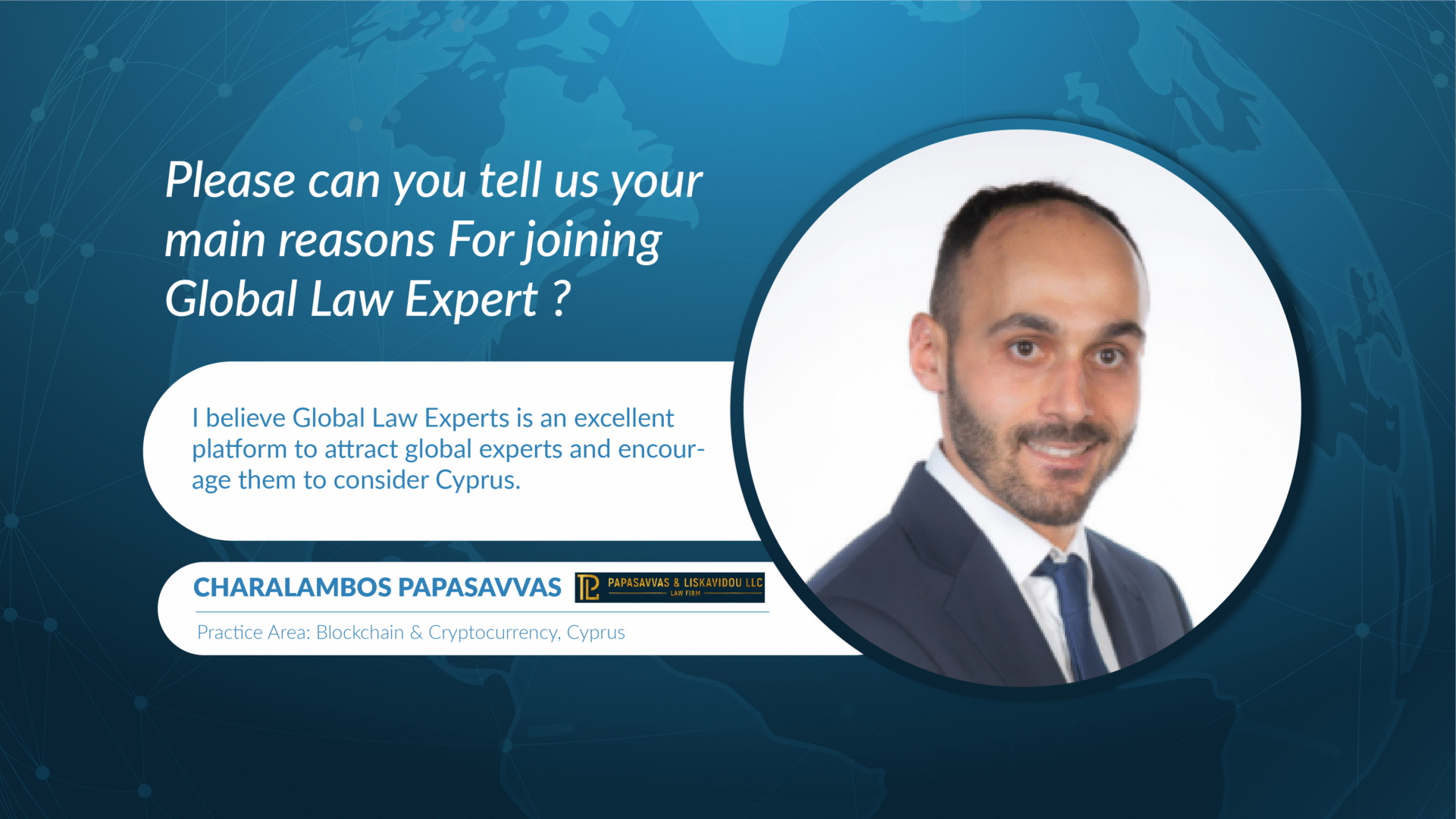
Testimonial-by-Charalambos-Papasavvas.png

Commercial Transactions FAQ's

While they often work in the same building, their focus is different. A Company Lawyer (Corporate Lawyer) focuses on the internal lifecycle of the business: its birth (incorporation), its governance (board meetings, shareholder rights), and its death (dissolution) or transformation (mergers). A Commercial Lawyer focuses on the external relationships: the contracts the business signs with customers, suppliers, and partners to trade and make money. Essentially, the company lawyer builds the car, and the commercial lawyer drives it on the road.

For routine meetings, probably not, but for major decisions, absolutely. Board meetings must follow strict protocols outlined in your bylaws regarding “notice” (telling people in advance) and “quorum” (having enough people present). If you mess this up, a disgruntled shareholder can sue to have the board’s decisions declared “void,” meaning your approval of a million-dollar deal could be legally erased months later. A lawyer ensures the minutes are drafted to prove that directors acted properly, protecting them from personal liability.

Being a director is not just a title; it comes with strict legal obligations. The two core duties are the Duty of Loyalty (you must put the company’s interests above your own) and the Duty of Care (you must act with the prudence of a reasonable person). If you sign a reckless contract without reading it or steer a business deal to your cousin’s company, you can be sued for “breach of fiduciary duty” and forced to pay damages personally.

Yes, a 50/50 split is the most dangerous structure in business because if the two owners disagree, the company freezes. A lawyer can trigger a “Shotgun Clause” (or Buy-Sell agreement) if one exists, where one partner names a price and the other must either buy or sell at that price. If no agreement exists, a lawyer can petition the court for a “custodian” to temporarily run the company or, in extreme cases, force a “judicial dissolution” to sell the business and split the cash.

Conflicts are managed through “disclosure” and “recusal.” If a director has a financial interest in a deal the company is voting on, a lawyer ensures they formally disclose this conflict to the board before the vote. The lawyer then ensures the conflicted director leaves the room (recuses themselves) during the discussion and voting. This process, known as “cleansing the conflict,” ensures the decision is legally valid and protects the director from being sued for self-dealing.

The “corporate veil” is the legal shield that separates the company’s debts from the owner’s personal assets. “Piercing” it means a court ignores this shield and holds the owners personally liable for the company’s debts. A lawyer can usually only do this if they prove the company was a “sham” or “alter ego”—for example, if the owner didn’t keep separate bank accounts (commingling funds) or the company was drastically undercapitalized just to defraud creditors.

Yes, because these are the “operating system” of your company. Using a generic template is risky because it might contain rules that don’t fit your business (like requiring an annual meeting in Delaware when you live in Texas) or miss critical protections (like “indemnification” clauses to pay your legal fees if you get sued). A lawyer customizes these rules to determine exactly how directors are elected, how officers are fired, and how dividends are paid.

Killing a company is legally harder than starting one. A lawyer ensures you obtain a “Tax Clearance Certificate” to prove you don’t owe back taxes and formally notifies all creditors so they have a chance to claim debts. If you just walk away without legally dissolving, you remain liable for annual state fees and taxes indefinitely. A lawyer files the “Articles of Dissolution” only after all these loose ends are tied up, ensuring no zombie debt comes back to haunt you.

Commercial Transactions FAQ's

While they often work in the same building, their focus is different. A Company Lawyer (Corporate Lawyer) focuses on the internal lifecycle of the business: its birth (incorporation), its governance (board meetings, shareholder rights), and its death (dissolution) or transformation (mergers). A Commercial Lawyer focuses on the external relationships: the contracts the business signs with customers, suppliers, and partners to trade and make money. Essentially, the company lawyer builds the car, and the commercial lawyer drives it on the road.

For routine meetings, probably not, but for major decisions, absolutely. Board meetings must follow strict protocols outlined in your bylaws regarding "notice" (telling people in advance) and "quorum" (having enough people present). If you mess this up, a disgruntled shareholder can sue to have the board's decisions declared "void," meaning your approval of a million-dollar deal could be legally erased months later. A lawyer ensures the minutes are drafted to prove that directors acted properly, protecting them from personal liability.

Being a director is not just a title; it comes with strict legal obligations. The two core duties are the Duty of Loyalty (you must put the company's interests above your own) and the Duty of Care (you must act with the prudence of a reasonable person). If you sign a reckless contract without reading it or steer a business deal to your cousin's company, you can be sued for "breach of fiduciary duty" and forced to pay damages personally.

Yes, a 50/50 split is the most dangerous structure in business because if the two owners disagree, the company freezes. A lawyer can trigger a "Shotgun Clause" (or Buy-Sell agreement) if one exists, where one partner names a price and the other must either buy or sell at that price. If no agreement exists, a lawyer can petition the court for a "custodian" to temporarily run the company or, in extreme cases, force a "judicial dissolution" to sell the business and split the cash.

Conflicts are managed through "disclosure" and "recusal." If a director has a financial interest in a deal the company is voting on, a lawyer ensures they formally disclose this conflict to the board before the vote. The lawyer then ensures the conflicted director leaves the room (recuses themselves) during the discussion and voting. This process, known as "cleansing the conflict," ensures the decision is legally valid and protects the director from being sued for self-dealing.

The "corporate veil" is the legal shield that separates the company's debts from the owner's personal assets. "Piercing" it means a court ignores this shield and holds the owners personally liable for the company's debts. A lawyer can usually only do this if they prove the company was a "sham" or "alter ego"—for example, if the owner didn't keep separate bank accounts (commingling funds) or the company was drastically undercapitalized just to defraud creditors.

Yes, because these are the "operating system" of your company. Using a generic template is risky because it might contain rules that don't fit your business (like requiring an annual meeting in Delaware when you live in Texas) or miss critical protections (like "indemnification" clauses to pay your legal fees if you get sued). A lawyer customizes these rules to determine exactly how directors are elected, how officers are fired, and how dividends are paid.

Killing a company is legally harder than starting one. A lawyer ensures you obtain a "Tax Clearance Certificate" to prove you don't owe back taxes and formally notifies all creditors so they have a chance to claim debts. If you just walk away without legally dissolving, you remain liable for annual state fees and taxes indefinitely. A lawyer files the "Articles of Dissolution" only after all these loose ends are tied up, ensuring no zombie debt comes back to haunt you.

Join
who are already getting the benefits
0
Sign up for the latest legal briefings and news within Global Law Experts’ community, as well as a whole host of features, editorial and conference updates direct to your email inbox. Naturally you can unsubscribe at any time.
Newsletter Sign Up
About Us

Global Law Experts is dedicated to providing exceptional legal services to clients around the world. With a vast network of highly skilled and experienced lawyers, we are committed to delivering innovative and tailored solutions to meet the diverse needs of our clients in various jurisdictions.

Global Law Experts App

Now Available on the App & Google Play Stores.

Social Posts
[wp_social_ninja id="50714" platform="instagram"]

See More:

Contact Us

Stay Informed

Join Mailing List
About Us

Global Law Experts is dedicated to providing exceptional legal services to clients around the world. With a vast network of highly skilled and experienced lawyers, we are committed to delivering innovative and tailored solutions to meet the diverse needs of our clients in various jurisdictions.

Social Posts
[wp_social_ninja id="50714" platform="instagram"]

See More:

Global Law Experts App

Now Available on the App & Google Play Stores.

Contact Us

Stay Informed

Join Mailing List

GLE

Professional with blonde hair smiling, in a dark shirt, in a neutral setting suitable for a legal profile.

Rachael Weil

Send welcome message

Custom Message