[codicts-css-switcher id=”346″]

Global Law Experts Logo

Commercial Agreements Lawyers Worldwide.

Global Law Experts

Meet Our Commercial Agreements Lawyers

Discover leading Commercial Agreements lawyers worldwide on Global Law Experts. Connect with independent legal experts for your business needs.

Legal
Country
Commercial Agreements
Legal
Country
Commercial Agreements
One result

Pekka Kähkönen

  • GOLD

Email:

Phone:

+35840*****
Lawyer in a suit with a tie, posing for a professional headshot against a neutral background.
LexAuctor Oy logo with tagline "We develop working life" on a textured blue background.

Pekka Kähkönen

  • GOLD
Commercial Agreements Law in Finland
  • LexAuctor Ltd
  • GOLD

Commercial Agreements News

Find Expert Commercial Agreements Lawyers Through Global Law Experts

Secure Strong Deals with Expert Commercial Agreements Counsel

Commercial agreements form the legal backbone of business relationships—from supply contracts and service agreements to distribution deals and joint ventures. Whether you’re drafting, reviewing, or negotiating complex contracts, having experienced legal guidance ensures clarity, minimizes risk, and protects your interests.

Global Law Experts connects you with seasoned commercial agreements lawyers who provide strategic, tailored counsel for businesses of all sizes. Our vetted specialists help you create enforceable contracts, negotiate favorable terms, resolve disputes, and manage compliance—giving you confidence in every commercial commitment.

Professional Commercial Agreements Help You Can Trust

We will help match you with a qualified Commercial Agreements law specialist who can offer reliable advice, clarify your options, and guide you through the next steps in the legal process.
Main Lead Capture Form - Home

Every GLE member is independently vetted by practice area and jurisdiction.

Client Success Stories

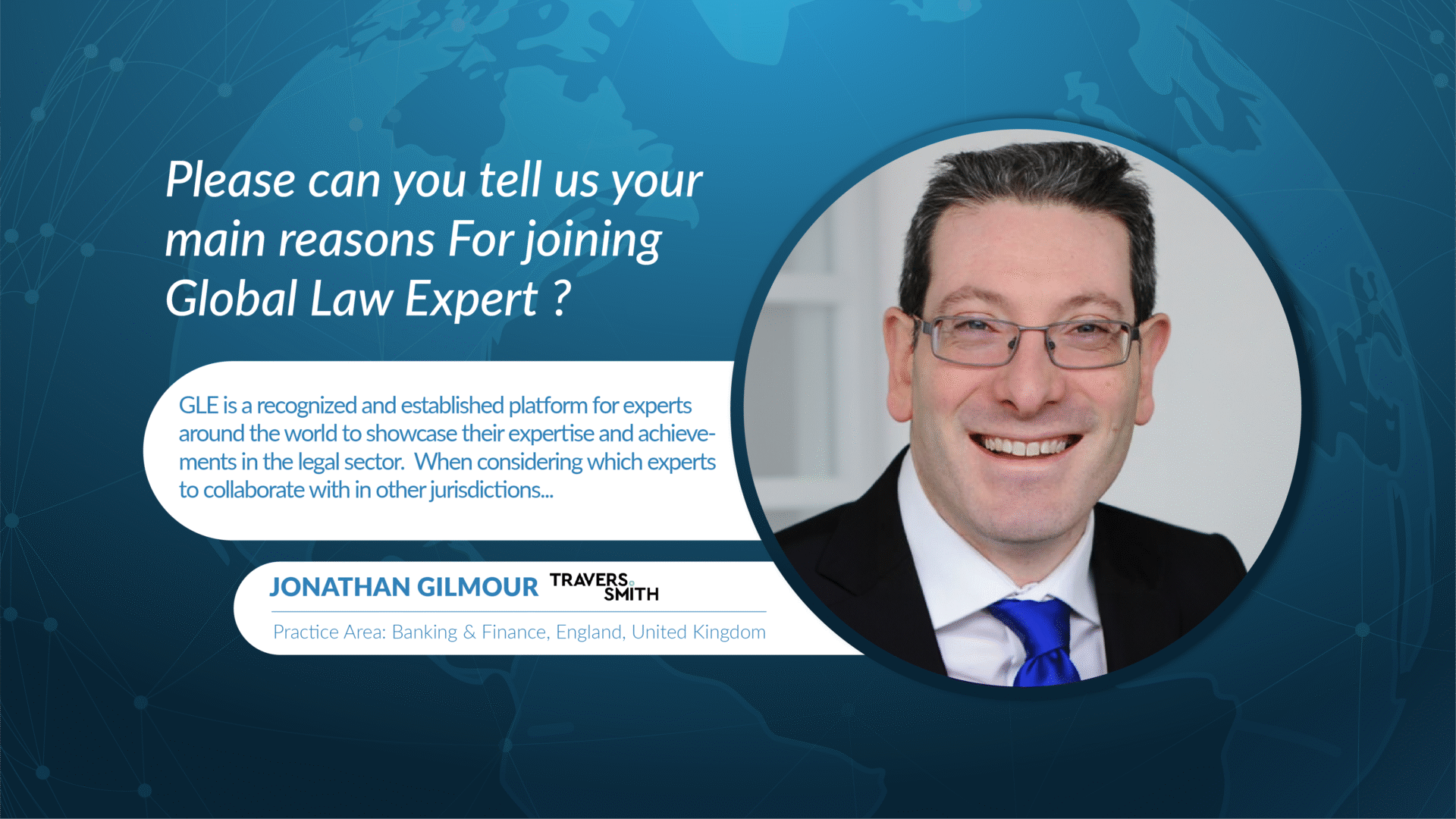
Testimonial-by-Jonathan-Gilmour.png
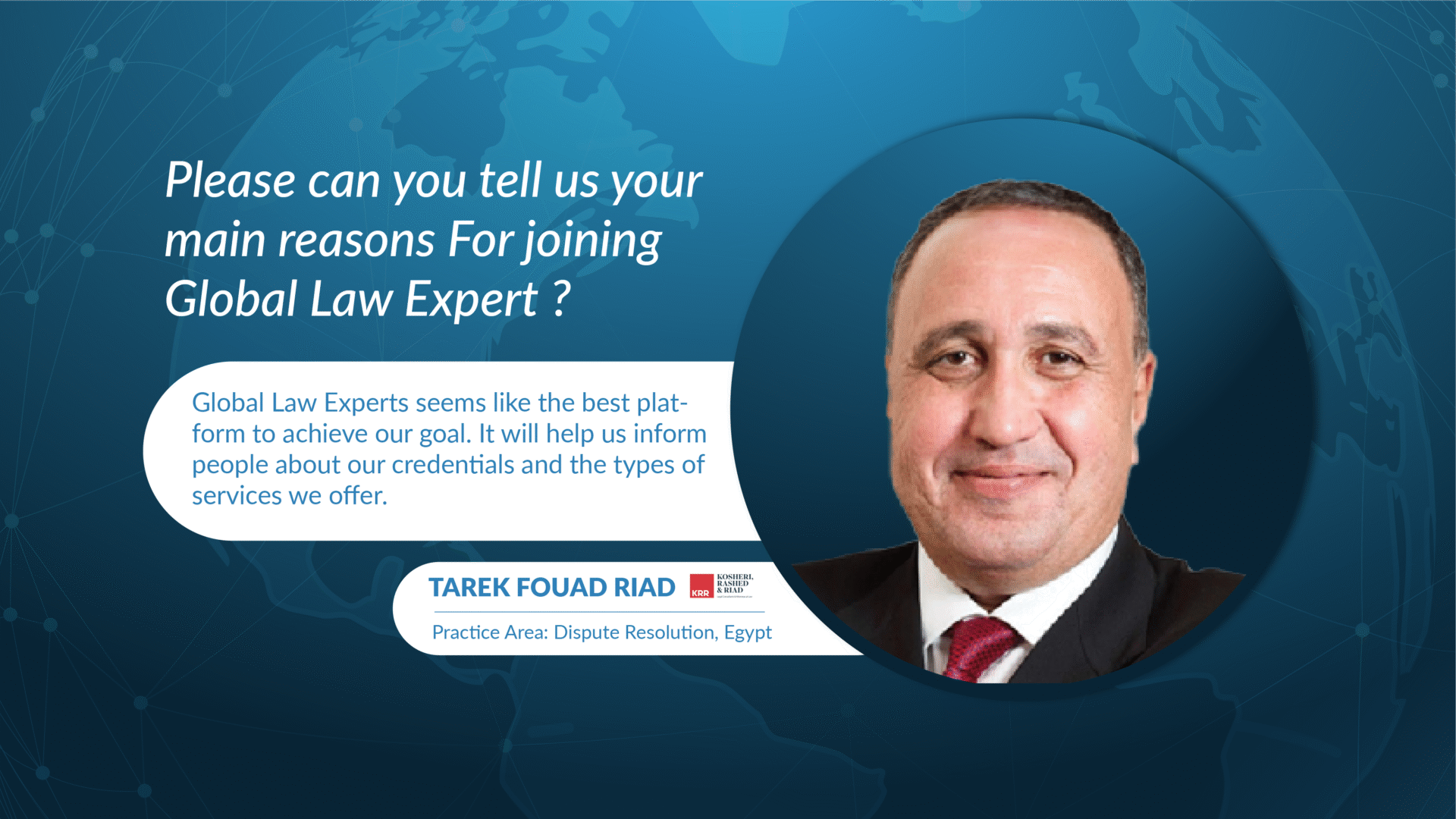
Testimonial-by-Tarek-Fouad-Riad.png
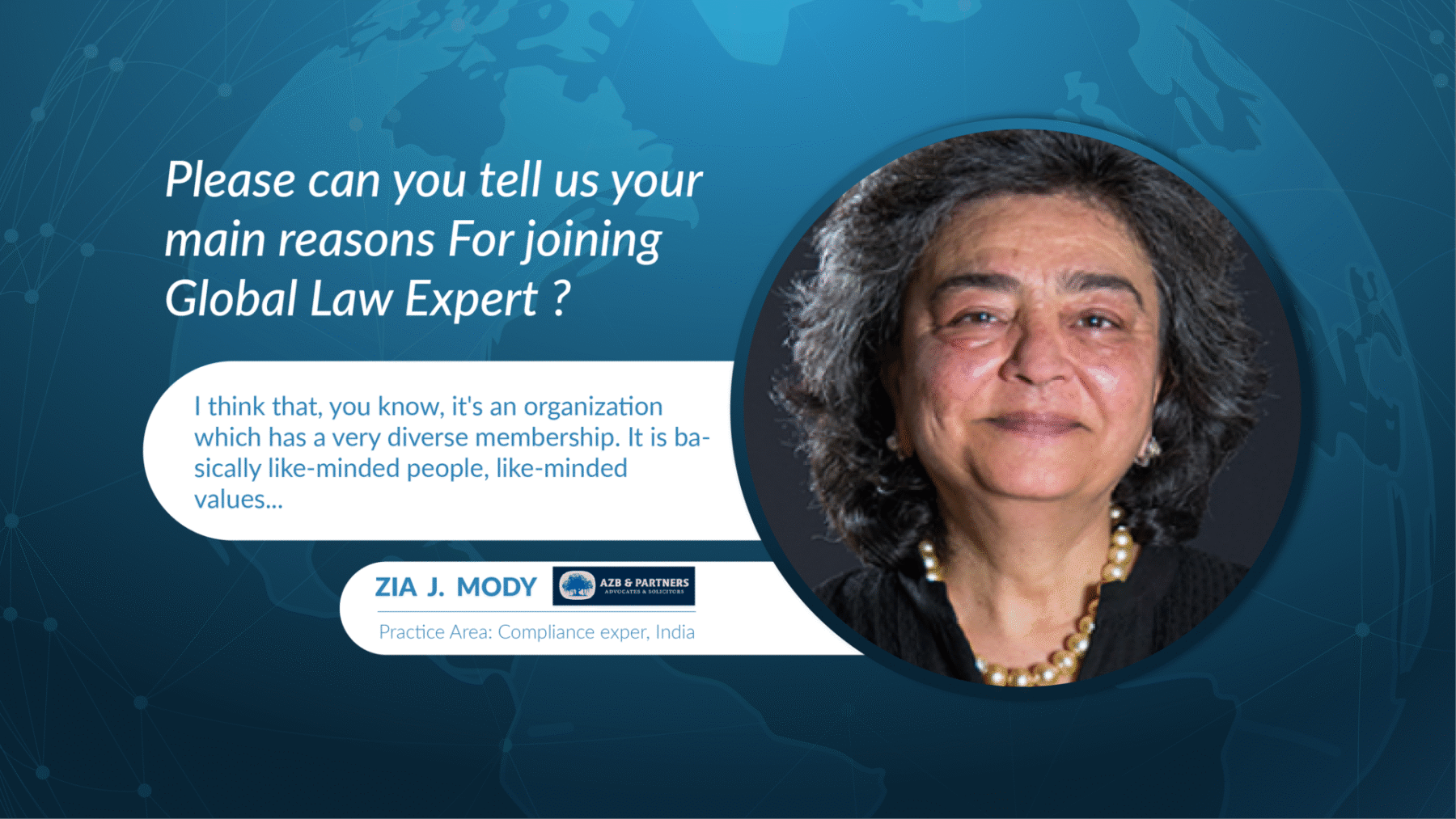
Testimonial-by-Zia-J.-Mody.png
Testimonial-by-Virginie-Tassin-Campanella.png
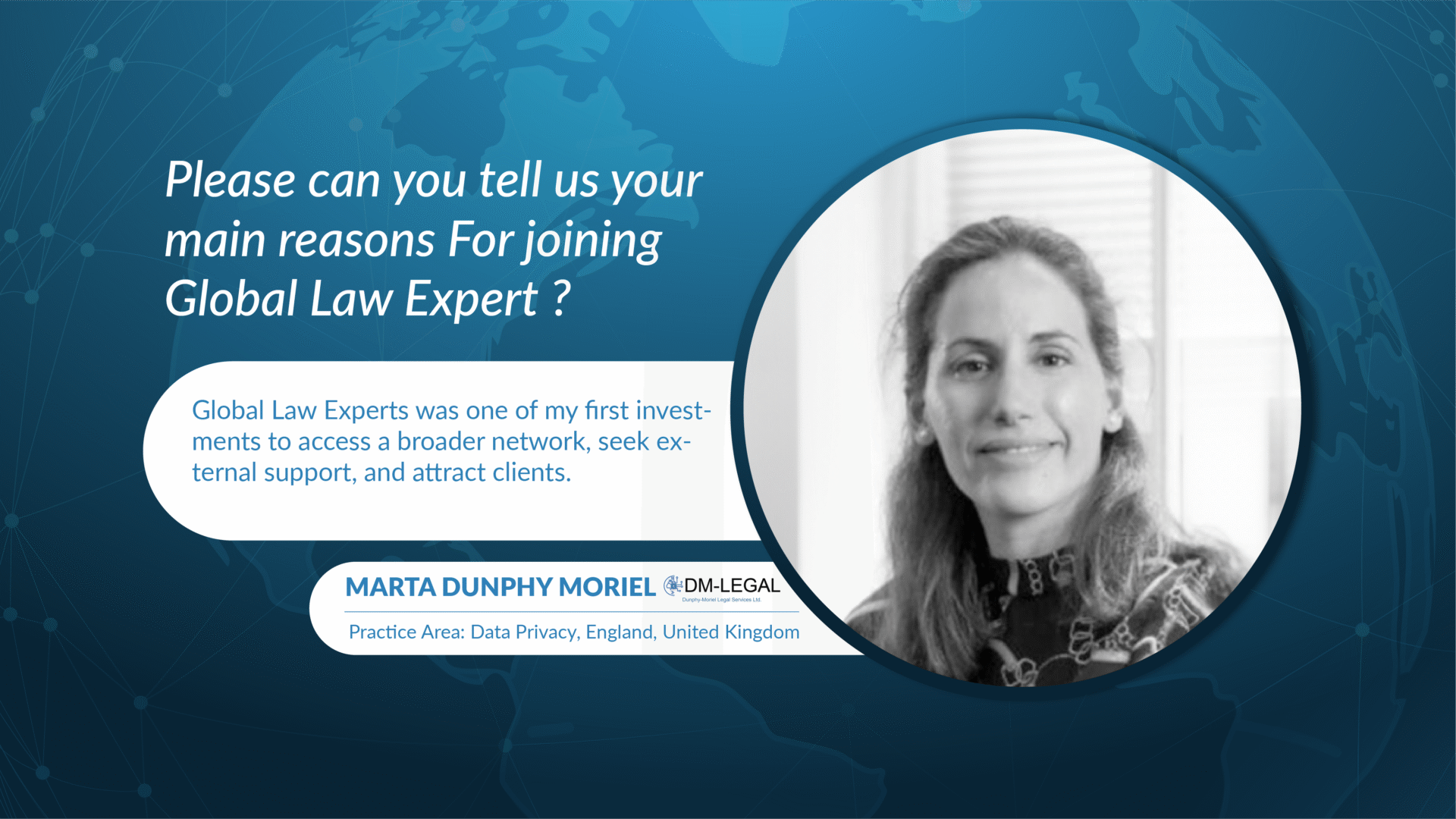
Testimonial-by-Marta-Dunphy-Moriel.png
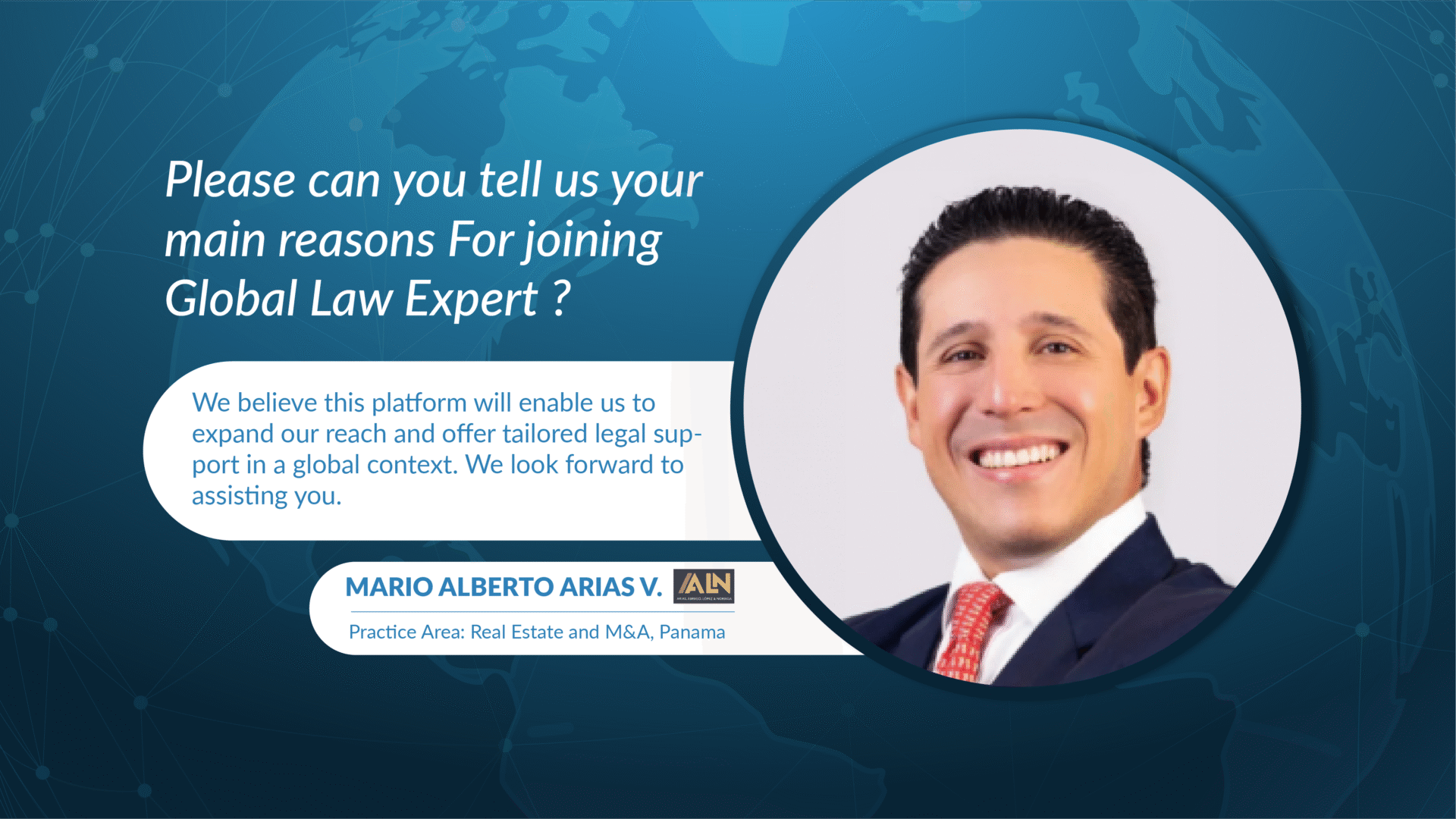
Testimonial-by-Mario-Alberto-Arias-V.png
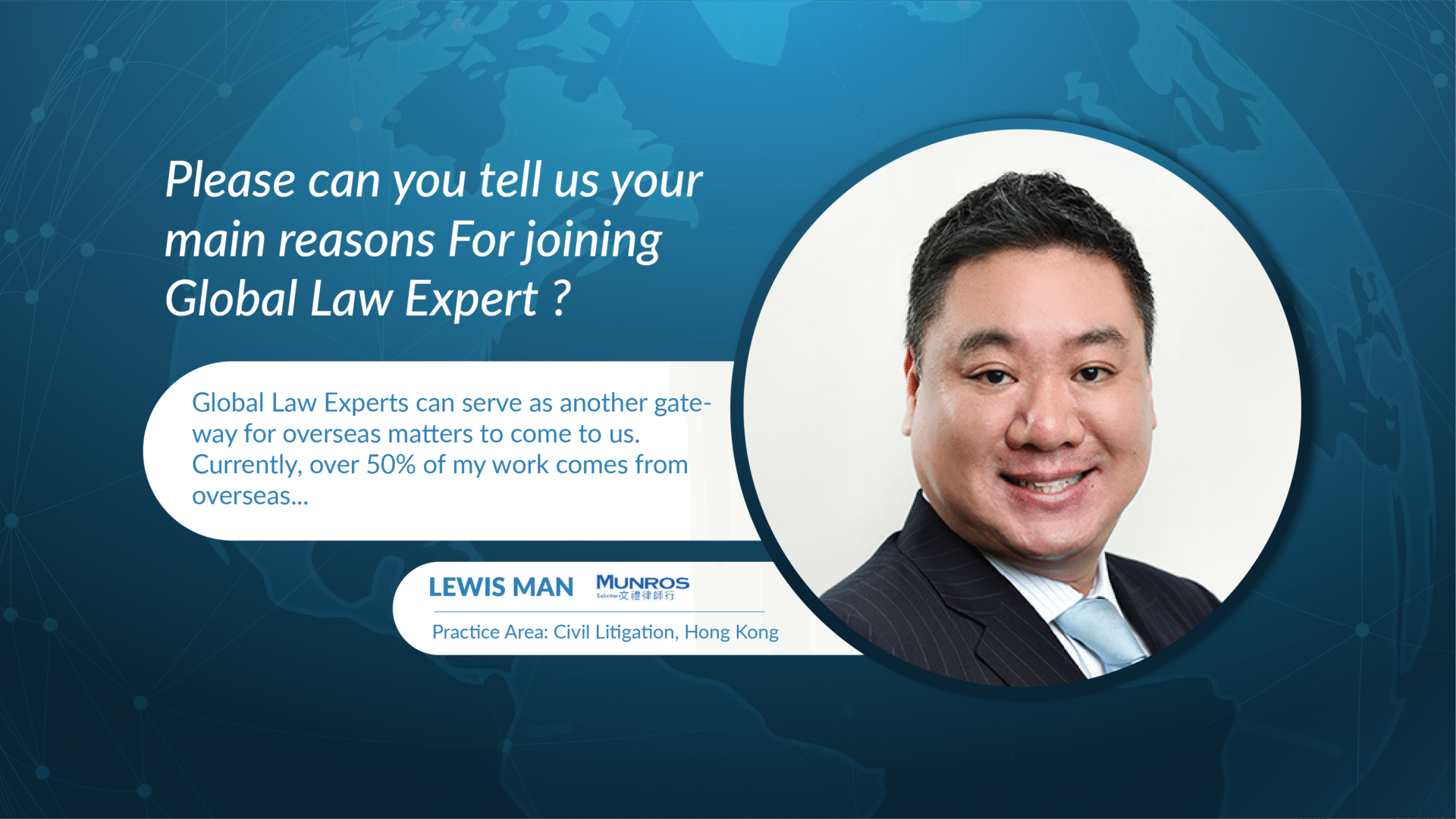
Testimonial-by-Lewis-Man.png
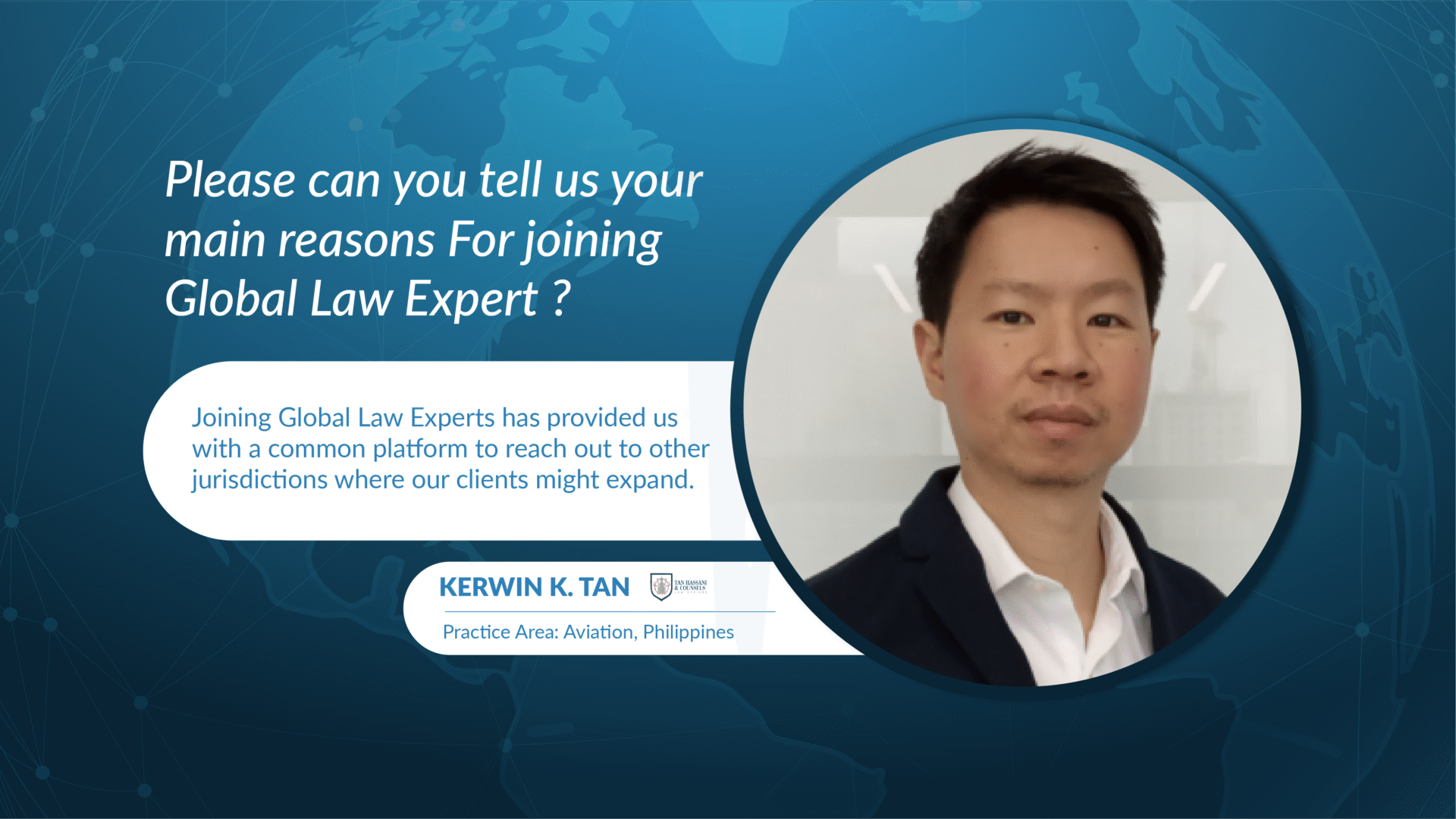
Testimonial-by-Kerwin-K.-Tan.png
Testimonial-by-Elena-Sadovskaya.png
Testimonial-by-Charalambos-Papasavvas.png

Commercial Agreements FAQ's

While every contract is different, five clauses are non-negotiable for safety: Payment Terms (when and how you get paid), Termination (how you can legally walk away), Liability Caps (limiting the max amount you can be sued for), Indemnity (who pays if a third party gets hurt), and Dispute Resolution (arbitration vs. court). Without a Force Majeure clause, you might still be liable even if a hurricane destroys your factory, so ensuring these “boilerplate” terms are solid is actually the most important part of the drafting process.

For a simple one-way NDA, you might not need a lawyer if you use a reputable template, but for high-stakes intellectual property, you absolutely do. Generic internet templates often define “Confidential Information” too broadly (making the NDA void) or fail to include a time limit, which courts hate. A lawyer ensures the NDA is “reasonable” enough to actually be enforced by a judge if your trade secrets are stolen.

Yes, generally they are binding, but they are a nightmare to enforce. If you agree to a deal over a handshake, it is a valid contract as long as it meets the basic criteria (offer, acceptance, consideration), but proving the specific terms in court is nearly impossible without a paper trail. Certain types of contracts—like those for the sale of land or goods over $500 (under the UCC in the US)—must be in writing to be enforceable due to the “Statute of Frauds.”

An indemnity clause is a promise to pay for someone else’s loss. It is dangerous because it can effectively make you the other company’s insurance policy; if you agree to “indemnify and hold harmless” a client for any claims arising from your work, you could be on the hook for millions of dollars in legal fees even if the mistake wasn’t entirely your fault. Lawyers fight fiercely to limit this to direct negligence only, preventing you from assuming unlimited liability.

If a supplier misses the performance targets set in the SLA (like 99.9% server uptime), a lawyer helps you enforce the “Service Credits” penalty rather than just complaining. They calculate exactly how much money you are owed back based on the contract’s formula and send a formal demand letter. If the failure is chronic, they can argue it constitutes a “material breach,” allowing you to terminate the contract early without paying exit fees.

The main difference is intent. A contract is a legally binding promise that can be enforced in court, while an MOU is usually just a “gentlemen’s agreement” outlining a shared intent to work together in the future. However, be careful: if an MOU contains specific promises like payment terms or confidentiality, a court may treat it as a binding contract regardless of the title. Lawyers draft MOUs carefully to explicitly state “this document is not legally binding” to avoid accidental liability.

Yes, but their advice will depend heavily on where you are, as the law is changing rapidly. In April 2024, the US FTC issued a final rule banning most new non-compete agreements for employees, though business-to-business non-competes (like when selling a company) are generally still valid. A lawyer ensures your non-compete is geographically and temporally reasonable (e.g., “you can’t open a bakery in this town for 2 years” vs. “you can never bake again anywhere”), otherwise, a judge will strike it down entirely.

A jurisdiction clause (or “Governing Law” clause) dictates which state or country’s laws apply if you get sued. This is critical because it prevents you from being dragged into a court on the other side of the world; if you are a Texas company dealing with a French supplier, you want the contract to say “Governed by Texas Law” so you don’t have to hire a French lawyer and fly to Paris to defend yourself. Lawyers ensure you don’t accidentally agree to a “home court advantage” for the other side.

Commercial Agreements FAQ's

While every contract is different, five clauses are non-negotiable for safety: Payment Terms (when and how you get paid), Termination (how you can legally walk away), Liability Caps (limiting the max amount you can be sued for), Indemnity (who pays if a third party gets hurt), and Dispute Resolution (arbitration vs. court). Without a Force Majeure clause, you might still be liable even if a hurricane destroys your factory, so ensuring these "boilerplate" terms are solid is actually the most important part of the drafting process.

For a simple one-way NDA, you might not need a lawyer if you use a reputable template, but for high-stakes intellectual property, you absolutely do. Generic internet templates often define "Confidential Information" too broadly (making the NDA void) or fail to include a time limit, which courts hate. A lawyer ensures the NDA is "reasonable" enough to actually be enforced by a judge if your trade secrets are stolen.

Yes, generally they are binding, but they are a nightmare to enforce. If you agree to a deal over a handshake, it is a valid contract as long as it meets the basic criteria (offer, acceptance, consideration), but proving the specific terms in court is nearly impossible without a paper trail. Certain types of contracts—like those for the sale of land or goods over $500 (under the UCC in the US)—must be in writing to be enforceable due to the "Statute of Frauds."

An indemnity clause is a promise to pay for someone else's loss. It is dangerous because it can effectively make you the other company's insurance policy; if you agree to "indemnify and hold harmless" a client for any claims arising from your work, you could be on the hook for millions of dollars in legal fees even if the mistake wasn't entirely your fault. Lawyers fight fiercely to limit this to direct negligence only, preventing you from assuming unlimited liability.

If a supplier misses the performance targets set in the SLA (like 99.9% server uptime), a lawyer helps you enforce the "Service Credits" penalty rather than just complaining. They calculate exactly how much money you are owed back based on the contract's formula and send a formal demand letter. If the failure is chronic, they can argue it constitutes a "material breach," allowing you to terminate the contract early without paying exit fees.

The main difference is intent. A contract is a legally binding promise that can be enforced in court, while an MOU is usually just a "gentlemen's agreement" outlining a shared intent to work together in the future. However, be careful: if an MOU contains specific promises like payment terms or confidentiality, a court may treat it as a binding contract regardless of the title. Lawyers draft MOUs carefully to explicitly state "this document is not legally binding" to avoid accidental liability.

Yes, but their advice will depend heavily on where you are, as the law is changing rapidly. In April 2024, the US FTC issued a final rule banning most new non-compete agreements for employees, though business-to-business non-competes (like when selling a company) are generally still valid. A lawyer ensures your non-compete is geographically and temporally reasonable (e.g., "you can't open a bakery in this town for 2 years" vs. "you can never bake again anywhere"), otherwise, a judge will strike it down entirely.

A jurisdiction clause (or "Governing Law" clause) dictates which state or country's laws apply if you get sued. This is critical because it prevents you from being dragged into a court on the other side of the world; if you are a Texas company dealing with a French supplier, you want the contract to say "Governed by Texas Law" so you don't have to hire a French lawyer and fly to Paris to defend yourself. Lawyers ensure you don't accidentally agree to a "home court advantage" for the other side.

Join
who are already getting the benefits
0
Sign up for the latest legal briefings and news within Global Law Experts’ community, as well as a whole host of features, editorial and conference updates direct to your email inbox. Naturally you can unsubscribe at any time.
Newsletter Sign Up
About Us

Global Law Experts is dedicated to providing exceptional legal services to clients around the world. With a vast network of highly skilled and experienced lawyers, we are committed to delivering innovative and tailored solutions to meet the diverse needs of our clients in various jurisdictions.

Global Law Experts App

Now Available on the App & Google Play Stores.

Social Posts
[wp_social_ninja id="50714" platform="instagram"]

See More:

Contact Us

Stay Informed

Join Mailing List
About Us

Global Law Experts is dedicated to providing exceptional legal services to clients around the world. With a vast network of highly skilled and experienced lawyers, we are committed to delivering innovative and tailored solutions to meet the diverse needs of our clients in various jurisdictions.

Social Posts
[wp_social_ninja id="50714" platform="instagram"]

See More:

Global Law Experts App

Now Available on the App & Google Play Stores.

Contact Us

Stay Informed

Join Mailing List

GLE

Lawyer Profile Page - Lead Capture
GLE-Logo-White
Lawyer Profile Page - Lead Capture
Lawyer in a suit with a tie, posing for a professional headshot against a neutral background.

Pekka Kähkönen

Send welcome message

Custom Message