Global Law Experts
Lawyers
Countries Covered
Practice Areas
Discover award-winning Class Actions lawyers worldwide. Independent members of Global Law Experts. Explore top legal experts now!
No results available Reset filters?
Class action lawsuits involve complex litigation where large groups of individuals or entities pursue claims against defendants over common legal issues. Whether you’re leading a class, representing a defendant, or navigating settlement negotiations, having seasoned legal guidance is essential to managing procedural complexities and protecting your interests.
Global Law Experts connects you with experienced class action lawyers who provide strategic, tailored counsel from case certification through trial and resolution. Our vetted specialists assist with class certification strategy, motion practice, discovery, settlement negotiations, and appeals—ensuring your position is clear, compelling, and well-defended.
Every GLE member is independently vetted by practice area and jurisdiction.
A class action allows one person (the “lead plaintiff”) to sue on behalf of a large group of people who suffered the same harm. Instead of thousands of people filing separate small lawsuits, they are bundled into one massive case to save court time and resources. The process typically moves through Certification (the court agrees the group is valid), Notice (members are told about the case), and finally Settlement or Trial. If the case wins, the money is split among everyone, though the lawyers and lead plaintiff get paid first.
The lead plaintiff (or “class representative”) is the face of the lawsuit and the only person who actively participates in the legal battle. While other class members do nothing, the lead plaintiff must hire the lawyers, turn over their personal documents for evidence, sit for depositions, and testify in court. Because they take on this extra work and risk, they often receive an “Incentive Award” (or service award) ranging from $1,000 to $50,000+ on top of their normal share of the settlement.
Most US class actions are “Opt-Out”, meaning you are automatically included in the lawsuit unless you sign a paper saying you want to leave (usually to sue them yourself). If you do nothing, you are bound by the court’s decision and give up your right to sue individually. “Opt-In” cases are rarer (often involving unpaid overtime wages) and require you to actively sign a form to join the group; if you do nothing in an opt-in case, you get nothing, but you keep your right to sue later.
Once a settlement is reached, a court-appointed “Settlement Administrator” handles the payouts. Sometimes checks are mailed automatically to known customers (like current bank account holders), but usually, you must file a “Claim Form” online or by mail to prove you bought the product. The payout is often “pro rata,” meaning the total pot is divided by the number of people who claim it; if fewer people claim, the check for everyone else gets bigger.
Before a case can proceed, a judge must “certify” it by ensuring it meets four strict criteria (Rule 23): Numerosity (too many people to sue individually), Commonality (everyone suffered the same legal harm), Typicality (the lead plaintiff’s story is similar to everyone else’s), and Adequacy (the lead plaintiff and lawyers are competent to fight for the group). If the judge denies certification, the class action dies, and everyone must sue individually.

Yes. If you believe the lawyers sold out the class for a quick fee (e.g., getting millions for themselves while you get a $5 coupon), you can file a formal “Objection” with the court. You can hire your own lawyer to appear at the “Fairness Hearing” and argue to the judge that the settlement should be rejected. This is a powerful tool; judges frequently toss out bad settlements when class members make valid, well-argued objections.
Class actions are best for cases where the individual damage is small, but the total harm is massive. Common examples include Consumer Fraud (a $20 defective toaster), Data Breaches (leaking credit card info), Securities Fraud (investors misled by a company’s stock lies), Employment Disputes (unpaid overtime for thousands of workers), and Product Liability (dangerous drugs or cars). They are rarely used for personal injury (like a unique car crash) because those damages are too specific to each person.
A class action allows one person (the "lead plaintiff") to sue on behalf of a large group of people who suffered the same harm. Instead of thousands of people filing separate small lawsuits, they are bundled into one massive case to save court time and resources. The process typically moves through Certification (the court agrees the group is valid), Notice (members are told about the case), and finally Settlement or Trial. If the case wins, the money is split among everyone, though the lawyers and lead plaintiff get paid first.
The lead plaintiff (or "class representative") is the face of the lawsuit and the only person who actively participates in the legal battle. While other class members do nothing, the lead plaintiff must hire the lawyers, turn over their personal documents for evidence, sit for depositions, and testify in court. Because they take on this extra work and risk, they often receive an "Incentive Award" (or service award) ranging from $1,000 to $50,000+ on top of their normal share of the settlement.
Most US class actions are "Opt-Out", meaning you are automatically included in the lawsuit unless you sign a paper saying you want to leave (usually to sue them yourself). If you do nothing, you are bound by the court's decision and give up your right to sue individually. "Opt-In" cases are rarer (often involving unpaid overtime wages) and require you to actively sign a form to join the group; if you do nothing in an opt-in case, you get nothing, but you keep your right to sue later.
Once a settlement is reached, a court-appointed "Settlement Administrator" handles the payouts. Sometimes checks are mailed automatically to known customers (like current bank account holders), but usually, you must file a "Claim Form" online or by mail to prove you bought the product. The payout is often "pro rata," meaning the total pot is divided by the number of people who claim it; if fewer people claim, the check for everyone else gets bigger.
Before a case can proceed, a judge must "certify" it by ensuring it meets four strict criteria (Rule 23): Numerosity (too many people to sue individually), Commonality (everyone suffered the same legal harm), Typicality (the lead plaintiff's story is similar to everyone else's), and Adequacy (the lead plaintiff and lawyers are competent to fight for the group). If the judge denies certification, the class action dies, and everyone must sue individually.

Yes. If you believe the lawyers sold out the class for a quick fee (e.g., getting millions for themselves while you get a $5 coupon), you can file a formal "Objection" with the court. You can hire your own lawyer to appear at the "Fairness Hearing" and argue to the judge that the settlement should be rejected. This is a powerful tool; judges frequently toss out bad settlements when class members make valid, well-argued objections.
Class actions are best for cases where the individual damage is small, but the total harm is massive. Common examples include Consumer Fraud (a $20 defective toaster), Data Breaches (leaking credit card info), Securities Fraud (investors misled by a company's stock lies), Employment Disputes (unpaid overtime for thousands of workers), and Product Liability (dangerous drugs or cars). They are rarely used for personal injury (like a unique car crash) because those damages are too specific to each person.
Global Law Experts is dedicated to providing exceptional legal services to clients around the world. With a vast network of highly skilled and experienced lawyers, we are committed to delivering innovative and tailored solutions to meet the diverse needs of our clients in various jurisdictions.
Thinking of buying property in Brazil? Start with a full legal safety net.
✔️ Check title and ownership history
✔️ Verify no debts or disputes
✔️ Confirm zoning and permits.
#BrazilProperty #RealEstateInvesting #LegalDueDiligence #ForeignInvestment #PropertyLaw #GlobalRealEstate #InvestmentRisk #BrazilLaw
When your international business faces financial distress, quick action is key! 🔑 Negotiating with creditors, restructuring debt, and understanding insolvency laws can help regain stability. Global Law Experts is here to guide you through your options.
🌍Explore the details on our website.
🔗Link in bio
#GlobalLawExperts #CommercialLaw #BusinessLaw #LegalAdvice #BusinessGrowth #LegalTips #BusinessStrategy #LegalCompliance #Law #LegalKnowledge #LegalAwareness #Law101 #LegalEducation #IntellectualProperty
Thinking of buying property in Brazil? Don’t stop at the contract or key handover. Make sure the title is officially registered before calling it yours.
#BrazilRealEstate #PropertyLaw #GlobalInvestment #ForeignInvestors #LegalTips #DueDiligence #RealEstateRegistration #SecureInvestment
Getting a termination notice right now? Know your rights. Valid reason, fair process, proper notice they matter. Don’t let a bad dismissal walk away without accountability.
#EmploymentLaw #WorkerRights #Termination #LaborLaw #FairDismissal #WorkplaceJustice #LegalAwareness #GlobalWorkforce
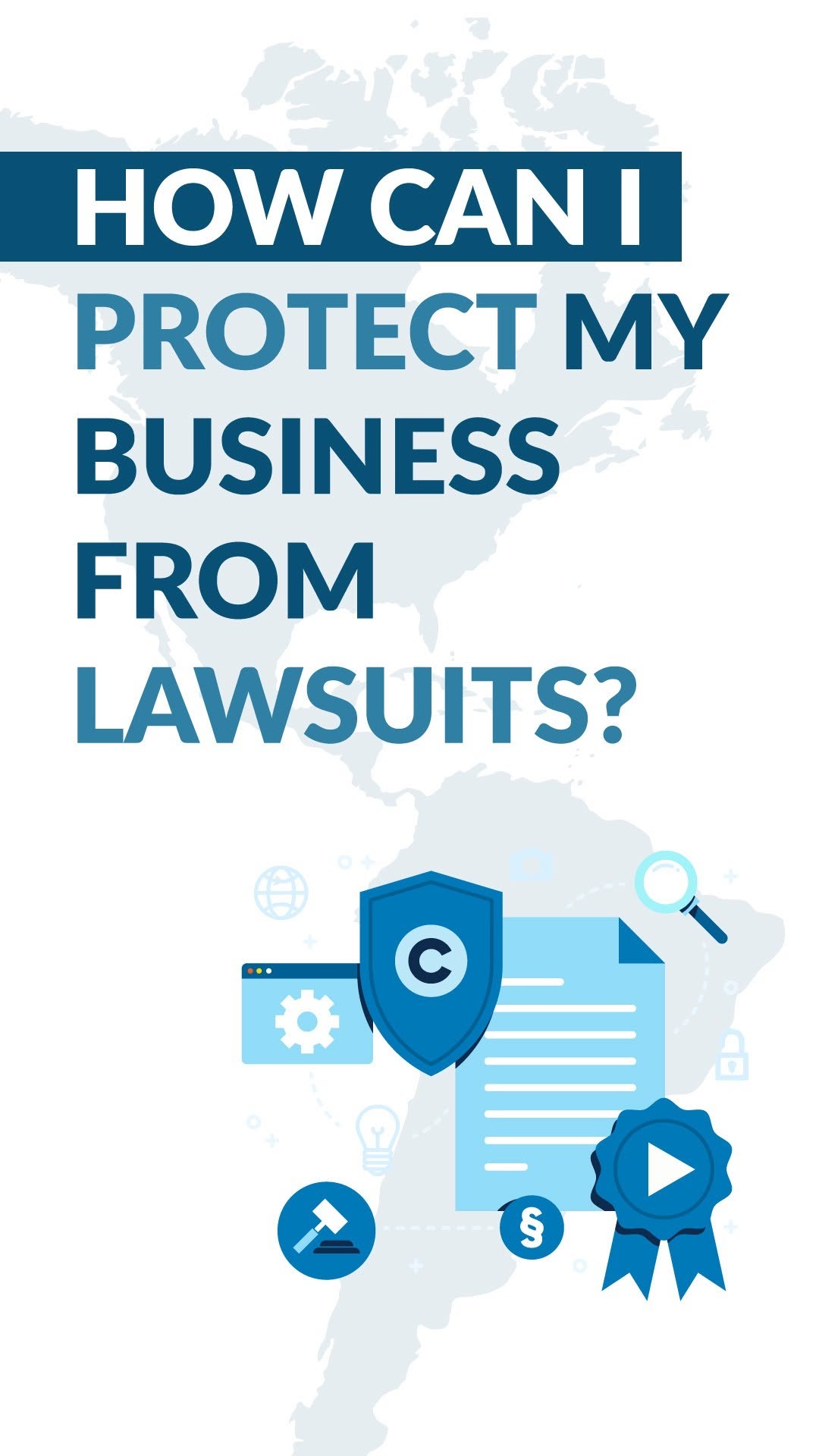
Running a business is hard enough — lawsuits shouldn’t make it harder. 🚫 Protect your business with the right legal strategies and expert tools from Global Law Experts. Let’s secure your future together! 💼
🌍Explore the details on our website.
➡️www.globallawexperts.com
#GlobalLawExperts #CommercialLaw #BusinessLaw #LegalAdvice #BusinessGrowth #LegalTips #BusinessStrategy #LegalCompliance #Law #LegalKnowledge #LegalAwareness #Law101 #LegalEducation #IntellectualProperty #Infringed #Ecommerce #LegalBranding
Global Law Experts is dedicated to providing exceptional legal services to clients around the world. With a vast network of highly skilled and experienced lawyers, we are committed to delivering innovative and tailored solutions to meet the diverse needs of our clients in various jurisdictions.
Thinking of buying property in Brazil? Start with a full legal safety net.
✔️ Check title and ownership history
✔️ Verify no debts or disputes
✔️ Confirm zoning and permits.
#BrazilProperty #RealEstateInvesting #LegalDueDiligence #ForeignInvestment #PropertyLaw #GlobalRealEstate #InvestmentRisk #BrazilLaw
When your international business faces financial distress, quick action is key! 🔑 Negotiating with creditors, restructuring debt, and understanding insolvency laws can help regain stability. Global Law Experts is here to guide you through your options.
🌍Explore the details on our website.
🔗Link in bio
#GlobalLawExperts #CommercialLaw #BusinessLaw #LegalAdvice #BusinessGrowth #LegalTips #BusinessStrategy #LegalCompliance #Law #LegalKnowledge #LegalAwareness #Law101 #LegalEducation #IntellectualProperty
Thinking of buying property in Brazil? Don’t stop at the contract or key handover. Make sure the title is officially registered before calling it yours.
#BrazilRealEstate #PropertyLaw #GlobalInvestment #ForeignInvestors #LegalTips #DueDiligence #RealEstateRegistration #SecureInvestment
Getting a termination notice right now? Know your rights. Valid reason, fair process, proper notice they matter. Don’t let a bad dismissal walk away without accountability.
#EmploymentLaw #WorkerRights #Termination #LaborLaw #FairDismissal #WorkplaceJustice #LegalAwareness #GlobalWorkforce
Running a business is hard enough — lawsuits shouldn’t make it harder. 🚫 Protect your business with the right legal strategies and expert tools from Global Law Experts. Let’s secure your future together! 💼
🌍Explore the details on our website.
➡️www.globallawexperts.com
#GlobalLawExperts #CommercialLaw #BusinessLaw #LegalAdvice #BusinessGrowth #LegalTips #BusinessStrategy #LegalCompliance #Law #LegalKnowledge #LegalAwareness #Law101 #LegalEducation #IntellectualProperty #Infringed #Ecommerce #LegalBranding
Send welcome message