Global Law Experts
Lawyers
Countries Covered
Practice Areas
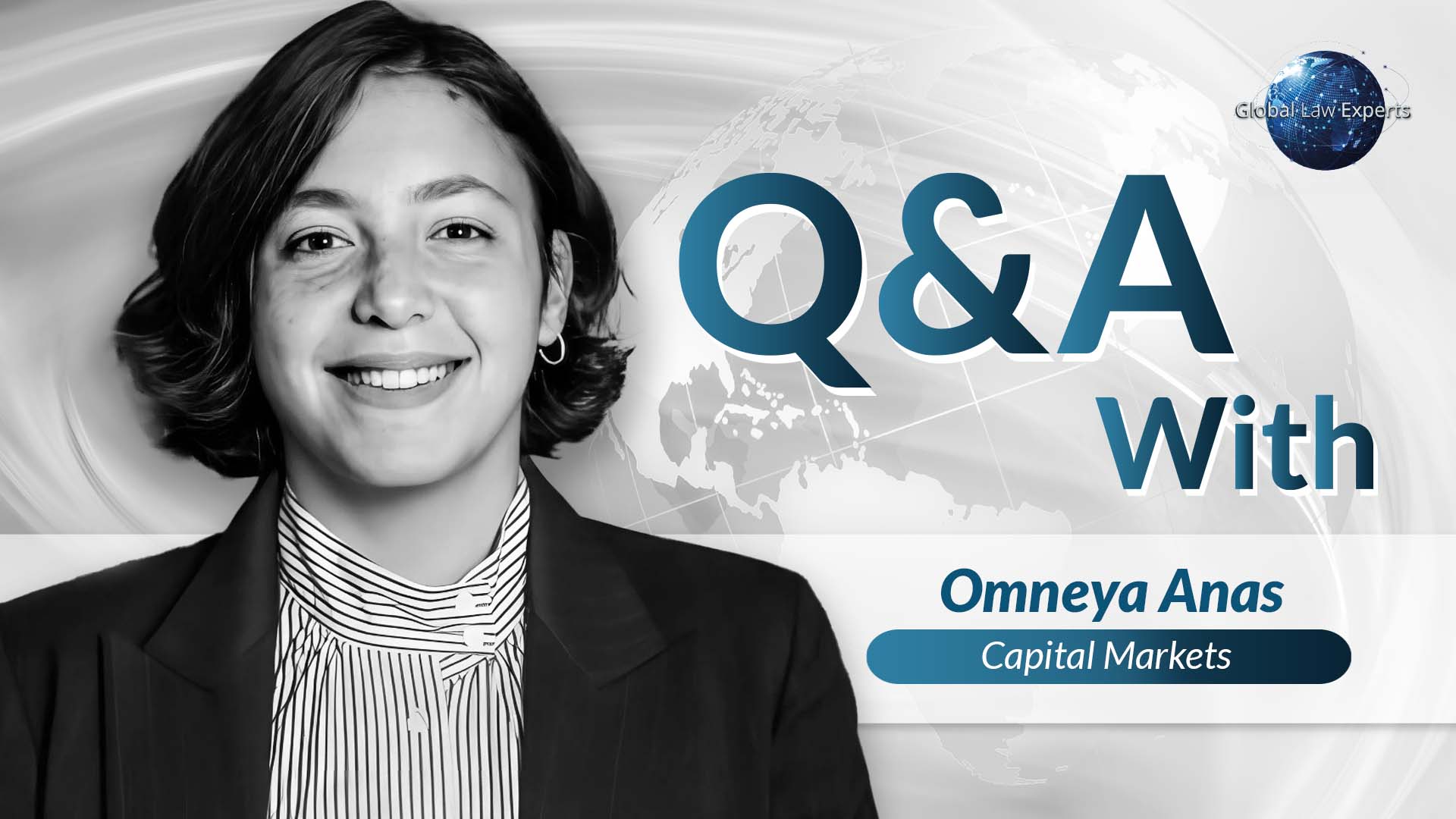
Discover top independent Capital Markets lawyers worldwide on Global Law Experts. Explore recognized legal experts in Capital Markets today.
No results available Reset filters?
posted 4 months ago
posted 5 months ago
posted 7 months ago
posted 1 year ago
No results available Reset filters?
Capital markets law covers the legal framework that governs securities, investments, and financial market transactions. Whether you’re engaging in public offerings, private placements, regulatory compliance, or cross‑border deals, having experienced legal guidance is essential.
Global Law Experts connects you with seasoned capital markets lawyers who provide strategic, tailored counsel for issuers, investors, and financial intermediaries. Our vetted specialists assist with securities regulation, IPOs, debt and equity offerings, compliance programs, and transactional support—helping you make informed decisions with confidence.
Every GLE member is independently vetted by practice area and jurisdiction.
Think of a capital markets lawyer as the “architect of financial plumbing.” Their primary job is to help companies raise money (capital) from investors without getting sued or shut down by regulators. They do not pick stocks or set prices; instead, they design the legal structure of the deal, write the massive disclosure documents that warn investors of every possible risk, and negotiate the contract between the company (the issuer) and the investment bank (the underwriter). If a deal goes wrong and the stock price crashes, the lawyer’s paperwork is the first line of defense against fraud accusations.
Yes, it is legally and practically impossible to do it without one. An IPO (Initial Public Offering) requires filing a registration statement (Form S-1 in the US) with the SEC, which acts as a “truth serum” for your company. A lawyer must draft this document to ensure it reveals everything—from pending lawsuits to supply chain risks. More importantly, the investment banks underwriting your IPO will refuse to sell your stock unless your lawyer issues a formal “Legal Opinion” certifying that the company has validly issued the shares and hasn’t hidden any material crimes.
ECM involves selling ownership of your company (shares/stocks). It is riskier and more regulated because you are giving new investors voting rights and a permanent piece of the pie. DCM involves borrowing money by selling bonds (like IOUs) to investors. DCM lawyers focus less on voting rights and more on “covenants”—strict rules the company must follow, such as “you cannot borrow more than $10 million from anyone else” or “you must maintain $5 million in cash at all times.”
The prospectus is the “Sales Document” for investors, but the lawyer’s job is to turn it into a “Liability Shield.” While the bankers want to write marketing hype (“We are the fastest growing tech co!”), the lawyer’s job is to add the sobering “Risk Factors” section (“We may never make a profit and you could lose all your money”). They fight over every adjective to ensuring the language is legally precise so that if the business fails later, a court can see that investors were adequately warned.
A Public Offering carries the highest risk of “Class Action Lawsuits.” If your stock drops, shareholders can easily sue you for “material misstatements” in your public filings. A Private Placement (selling to a few rich institutions or “accredited investors”) has much lower litigation risk because these investors are considered “sophisticated” and don’t need the same government protections as grandma and grandpa. However, the risk with private placements is “illiquidity”—investors might sue you later if they realize they are stuck with shares they cannot easily sell.
Lawyers perform a “Due Diligence” investigation that is essentially a corporate colonoscopy. They read every contract, email, and board minute to verify the company’s claims. At the end of the process, they issue a famous document called a “10b-5 Negative Assurance Letter.” In plain English, this letter tells the bank: “We looked everywhere and we didn’t find anything that looks like a lie.” This letter allows the bankers to claim a “Due Diligence Defense” if the company turns out to be a fraud later.
A SPAC (Special Purpose Acquisition Company) is a “blank check” company. The lawyer first runs an IPO for a shell company with no business, just a pile of cash. Then, within 2 years, they must find a real company to buy. The lawyer’s hardest job comes during the “De-SPAC” phase (the merger), where they must merge the private target into the public shell. This is legally complex because it combines the speed of a merger with the regulatory scrutiny of an IPO, often leading to heavy SEC review.

Yes, and this is standard practice. In every major deal, there are two sets of lawyers: “Issuer’s Counsel” (working for the company) and “Underwriter’s Counsel” (working for the bank, like Goldman Sachs or JP Morgan). The Underwriter’s Counsel’s job is “trust but verify.” They fact-check everything the company’s lawyers say. If the company lies to investors, the bank can get sued, so the Underwriter’s lawyer is there to protect the bank’s reputation and wallet by digging for dirt the company might be hiding.
Think of a capital markets lawyer as the "architect of financial plumbing." Their primary job is to help companies raise money (capital) from investors without getting sued or shut down by regulators. They do not pick stocks or set prices; instead, they design the legal structure of the deal, write the massive disclosure documents that warn investors of every possible risk, and negotiate the contract between the company (the issuer) and the investment bank (the underwriter). If a deal goes wrong and the stock price crashes, the lawyer's paperwork is the first line of defense against fraud accusations.
Yes, it is legally and practically impossible to do it without one. An IPO (Initial Public Offering) requires filing a registration statement (Form S-1 in the US) with the SEC, which acts as a "truth serum" for your company. A lawyer must draft this document to ensure it reveals everything—from pending lawsuits to supply chain risks. More importantly, the investment banks underwriting your IPO will refuse to sell your stock unless your lawyer issues a formal "Legal Opinion" certifying that the company has validly issued the shares and hasn't hidden any material crimes.
ECM involves selling ownership of your company (shares/stocks). It is riskier and more regulated because you are giving new investors voting rights and a permanent piece of the pie. DCM involves borrowing money by selling bonds (like IOUs) to investors. DCM lawyers focus less on voting rights and more on "covenants"—strict rules the company must follow, such as "you cannot borrow more than $10 million from anyone else" or "you must maintain $5 million in cash at all times."
The prospectus is the "Sales Document" for investors, but the lawyer's job is to turn it into a "Liability Shield." While the bankers want to write marketing hype ("We are the fastest growing tech co!"), the lawyer's job is to add the sobering "Risk Factors" section ("We may never make a profit and you could lose all your money"). They fight over every adjective to ensuring the language is legally precise so that if the business fails later, a court can see that investors were adequately warned.
A Public Offering carries the highest risk of "Class Action Lawsuits." If your stock drops, shareholders can easily sue you for "material misstatements" in your public filings. A Private Placement (selling to a few rich institutions or "accredited investors") has much lower litigation risk because these investors are considered "sophisticated" and don't need the same government protections as grandma and grandpa. However, the risk with private placements is "illiquidity"—investors might sue you later if they realize they are stuck with shares they cannot easily sell.
Lawyers perform a "Due Diligence" investigation that is essentially a corporate colonoscopy. They read every contract, email, and board minute to verify the company's claims. At the end of the process, they issue a famous document called a "10b-5 Negative Assurance Letter." In plain English, this letter tells the bank: "We looked everywhere and we didn't find anything that looks like a lie." This letter allows the bankers to claim a "Due Diligence Defense" if the company turns out to be a fraud later.
A SPAC (Special Purpose Acquisition Company) is a "blank check" company. The lawyer first runs an IPO for a shell company with no business, just a pile of cash. Then, within 2 years, they must find a real company to buy. The lawyer's hardest job comes during the "De-SPAC" phase (the merger), where they must merge the private target into the public shell. This is legally complex because it combines the speed of a merger with the regulatory scrutiny of an IPO, often leading to heavy SEC review.

Yes, and this is standard practice. In every major deal, there are two sets of lawyers: "Issuer's Counsel" (working for the company) and "Underwriter's Counsel" (working for the bank, like Goldman Sachs or JP Morgan). The Underwriter's Counsel's job is "trust but verify." They fact-check everything the company's lawyers say. If the company lies to investors, the bank can get sued, so the Underwriter's lawyer is there to protect the bank's reputation and wallet by digging for dirt the company might be hiding.
Global Law Experts is dedicated to providing exceptional legal services to clients around the world. With a vast network of highly skilled and experienced lawyers, we are committed to delivering innovative and tailored solutions to meet the diverse needs of our clients in various jurisdictions.
Thinking of buying property in Brazil? Start with a full legal safety net.
✔️ Check title and ownership history
✔️ Verify no debts or disputes
✔️ Confirm zoning and permits.
#BrazilProperty #RealEstateInvesting #LegalDueDiligence #ForeignInvestment #PropertyLaw #GlobalRealEstate #InvestmentRisk #BrazilLaw
When your international business faces financial distress, quick action is key! 🔑 Negotiating with creditors, restructuring debt, and understanding insolvency laws can help regain stability. Global Law Experts is here to guide you through your options.
🌍Explore the details on our website.
🔗Link in bio
#GlobalLawExperts #CommercialLaw #BusinessLaw #LegalAdvice #BusinessGrowth #LegalTips #BusinessStrategy #LegalCompliance #Law #LegalKnowledge #LegalAwareness #Law101 #LegalEducation #IntellectualProperty
Thinking of buying property in Brazil? Don’t stop at the contract or key handover. Make sure the title is officially registered before calling it yours.
#BrazilRealEstate #PropertyLaw #GlobalInvestment #ForeignInvestors #LegalTips #DueDiligence #RealEstateRegistration #SecureInvestment
Getting a termination notice right now? Know your rights. Valid reason, fair process, proper notice they matter. Don’t let a bad dismissal walk away without accountability.
#EmploymentLaw #WorkerRights #Termination #LaborLaw #FairDismissal #WorkplaceJustice #LegalAwareness #GlobalWorkforce
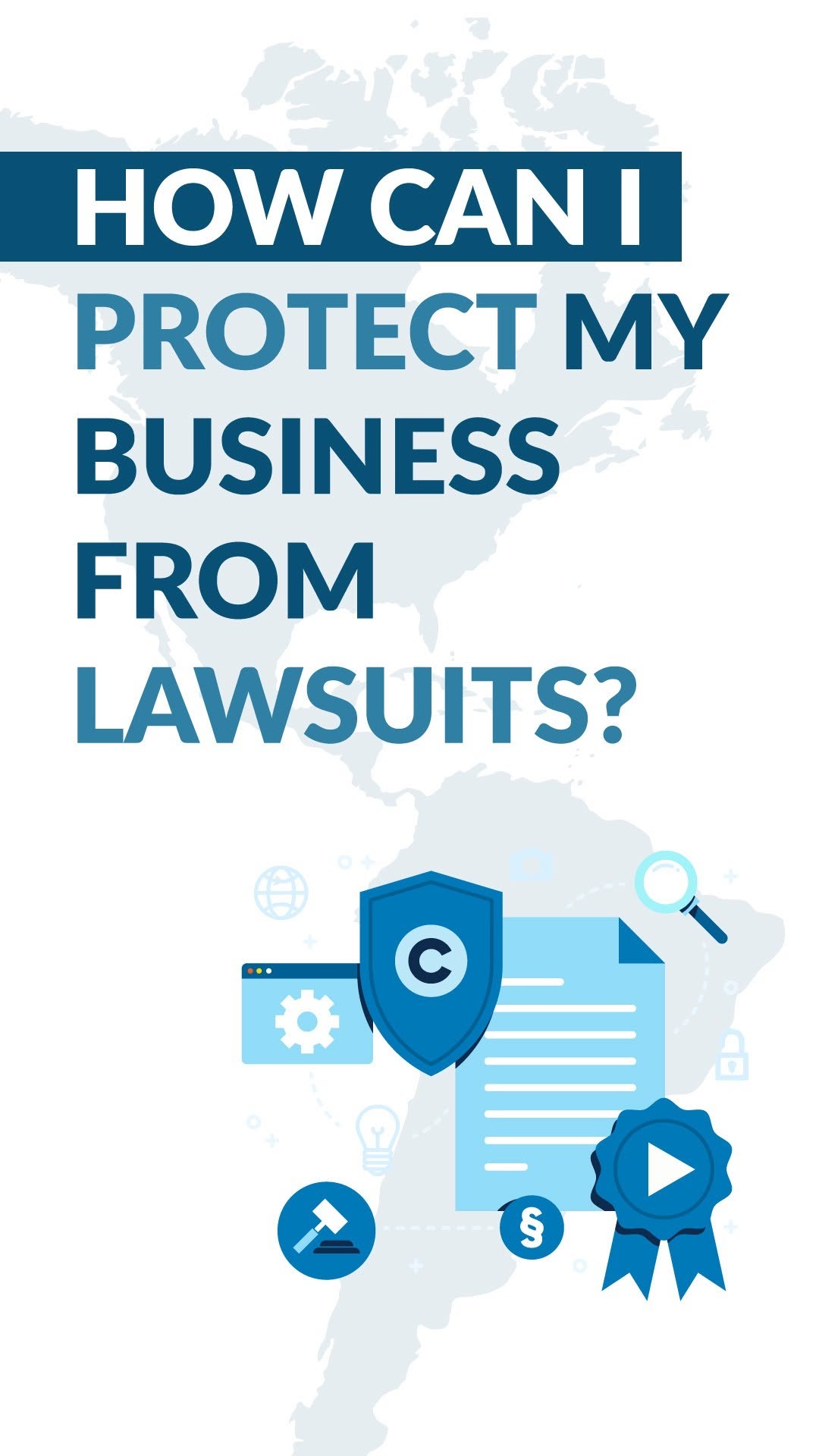
Running a business is hard enough — lawsuits shouldn’t make it harder. 🚫 Protect your business with the right legal strategies and expert tools from Global Law Experts. Let’s secure your future together! 💼
🌍Explore the details on our website.
➡️www.globallawexperts.com
#GlobalLawExperts #CommercialLaw #BusinessLaw #LegalAdvice #BusinessGrowth #LegalTips #BusinessStrategy #LegalCompliance #Law #LegalKnowledge #LegalAwareness #Law101 #LegalEducation #IntellectualProperty #Infringed #Ecommerce #LegalBranding
Global Law Experts is dedicated to providing exceptional legal services to clients around the world. With a vast network of highly skilled and experienced lawyers, we are committed to delivering innovative and tailored solutions to meet the diverse needs of our clients in various jurisdictions.
Thinking of buying property in Brazil? Start with a full legal safety net.
✔️ Check title and ownership history
✔️ Verify no debts or disputes
✔️ Confirm zoning and permits.
#BrazilProperty #RealEstateInvesting #LegalDueDiligence #ForeignInvestment #PropertyLaw #GlobalRealEstate #InvestmentRisk #BrazilLaw
When your international business faces financial distress, quick action is key! 🔑 Negotiating with creditors, restructuring debt, and understanding insolvency laws can help regain stability. Global Law Experts is here to guide you through your options.
🌍Explore the details on our website.
🔗Link in bio
#GlobalLawExperts #CommercialLaw #BusinessLaw #LegalAdvice #BusinessGrowth #LegalTips #BusinessStrategy #LegalCompliance #Law #LegalKnowledge #LegalAwareness #Law101 #LegalEducation #IntellectualProperty
Thinking of buying property in Brazil? Don’t stop at the contract or key handover. Make sure the title is officially registered before calling it yours.
#BrazilRealEstate #PropertyLaw #GlobalInvestment #ForeignInvestors #LegalTips #DueDiligence #RealEstateRegistration #SecureInvestment
Getting a termination notice right now? Know your rights. Valid reason, fair process, proper notice they matter. Don’t let a bad dismissal walk away without accountability.
#EmploymentLaw #WorkerRights #Termination #LaborLaw #FairDismissal #WorkplaceJustice #LegalAwareness #GlobalWorkforce
Running a business is hard enough — lawsuits shouldn’t make it harder. 🚫 Protect your business with the right legal strategies and expert tools from Global Law Experts. Let’s secure your future together! 💼
🌍Explore the details on our website.
➡️www.globallawexperts.com
#GlobalLawExperts #CommercialLaw #BusinessLaw #LegalAdvice #BusinessGrowth #LegalTips #BusinessStrategy #LegalCompliance #Law #LegalKnowledge #LegalAwareness #Law101 #LegalEducation #IntellectualProperty #Infringed #Ecommerce #LegalBranding
Send welcome message