[codicts-css-switcher id=”346″]

Global Law Experts Logo

Biotech Lawyers Worldwide.

Global Law Experts

Meet Our Biotech Lawyers

Discover top Biotech legal experts on Global Law Experts – a trusted legal directory connecting users with independent lawyers worldwide.

Legal
Biotech
Legal
Country
Biotech

No results available Reset filters?

Find Expert Biotech Lawyers Through Global Law Experts

Advance Innovation with Expert Biotech Legal Counsel

The biotech industry faces unique legal challenges—from intellectual property protection and regulatory compliance to licensing, collaboration agreements, and commercialization. Whether you’re a startup or an established biotech firm, expert legal guidance is essential to protect your innovations and support strategic growth.

Global Law Experts connects you with experienced biotech lawyers who provide tailored counsel across key legal areas. Our vetted specialists assist with IP protection, FDA and global regulatory issues, licensing and partnerships, funding transactions, and commercialization strategies—helping you navigate complex legal landscapes and bring breakthroughs to market.

Professional Biotech Help You Can Trust

We will help match you with a qualified Biotech law specialist who can offer reliable advice, clarify your options, and guide you through the next steps in the legal process.
Main Lead Capture Form - Home

Every GLE member is independently vetted by practice area and jurisdiction.

Client Success Stories

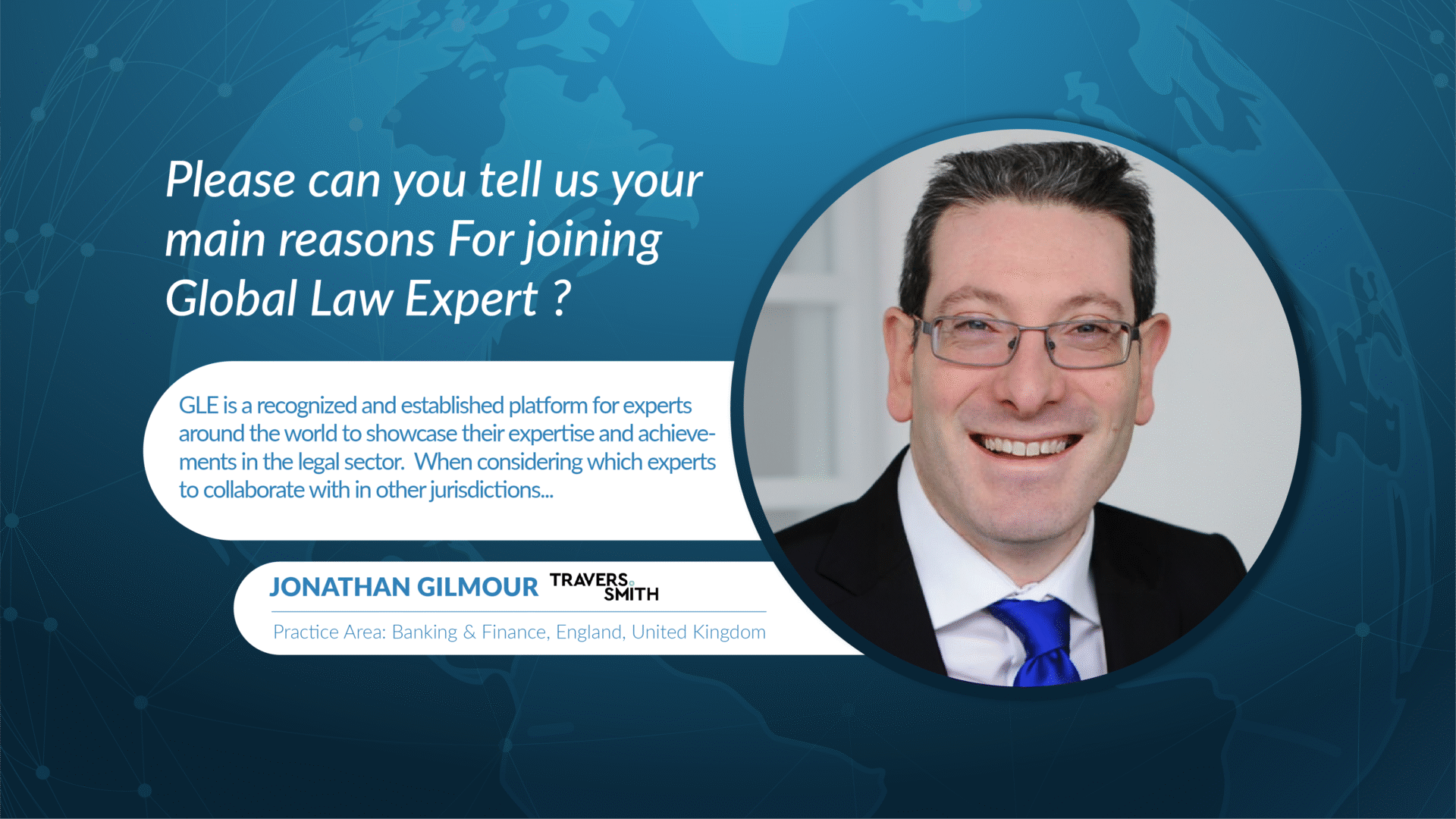
Testimonial-by-Jonathan-Gilmour.png
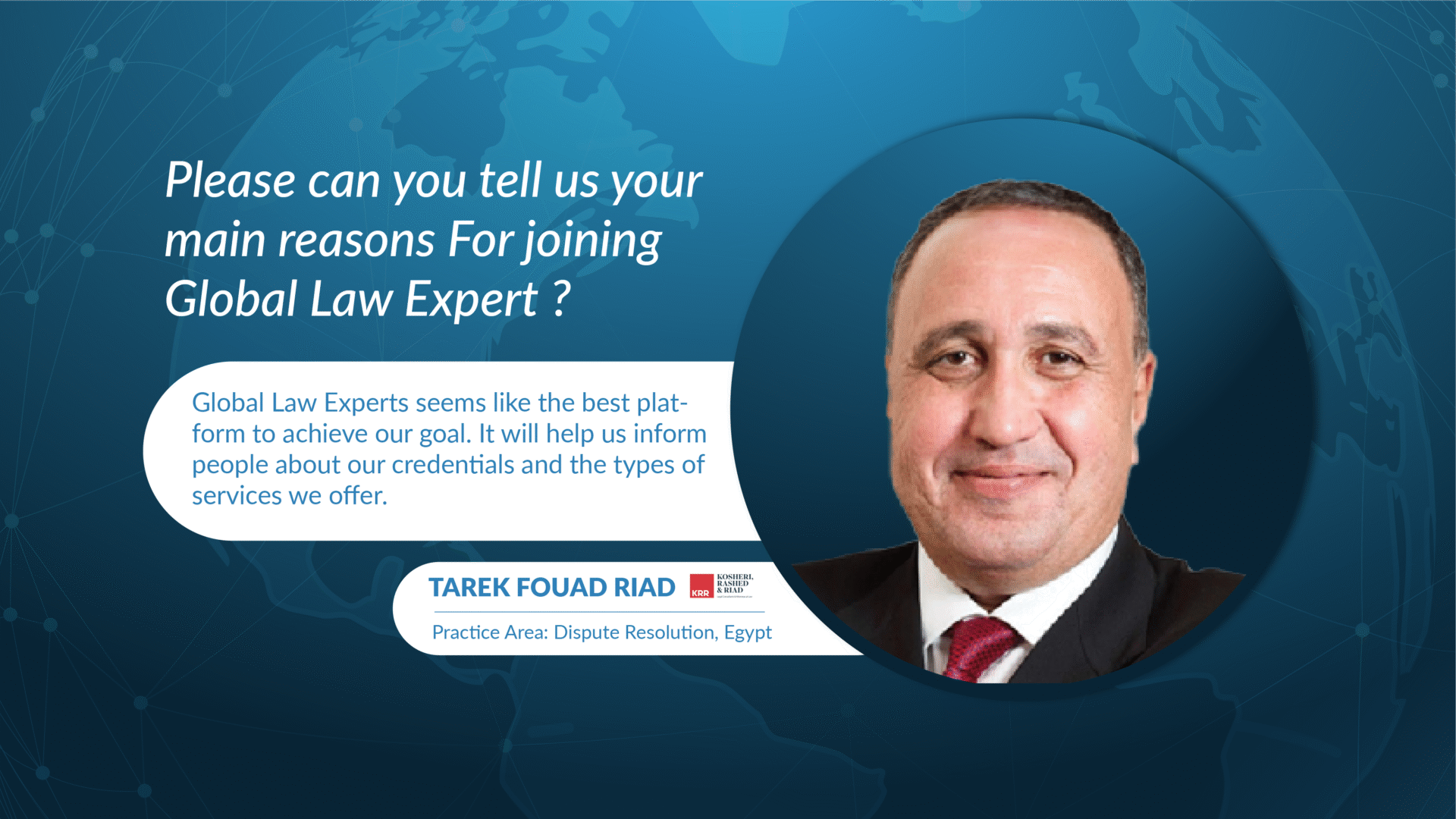
Testimonial-by-Tarek-Fouad-Riad.png
Testimonial-by-Zia-J.-Mody.png
Testimonial-by-Virginie-Tassin-Campanella.png
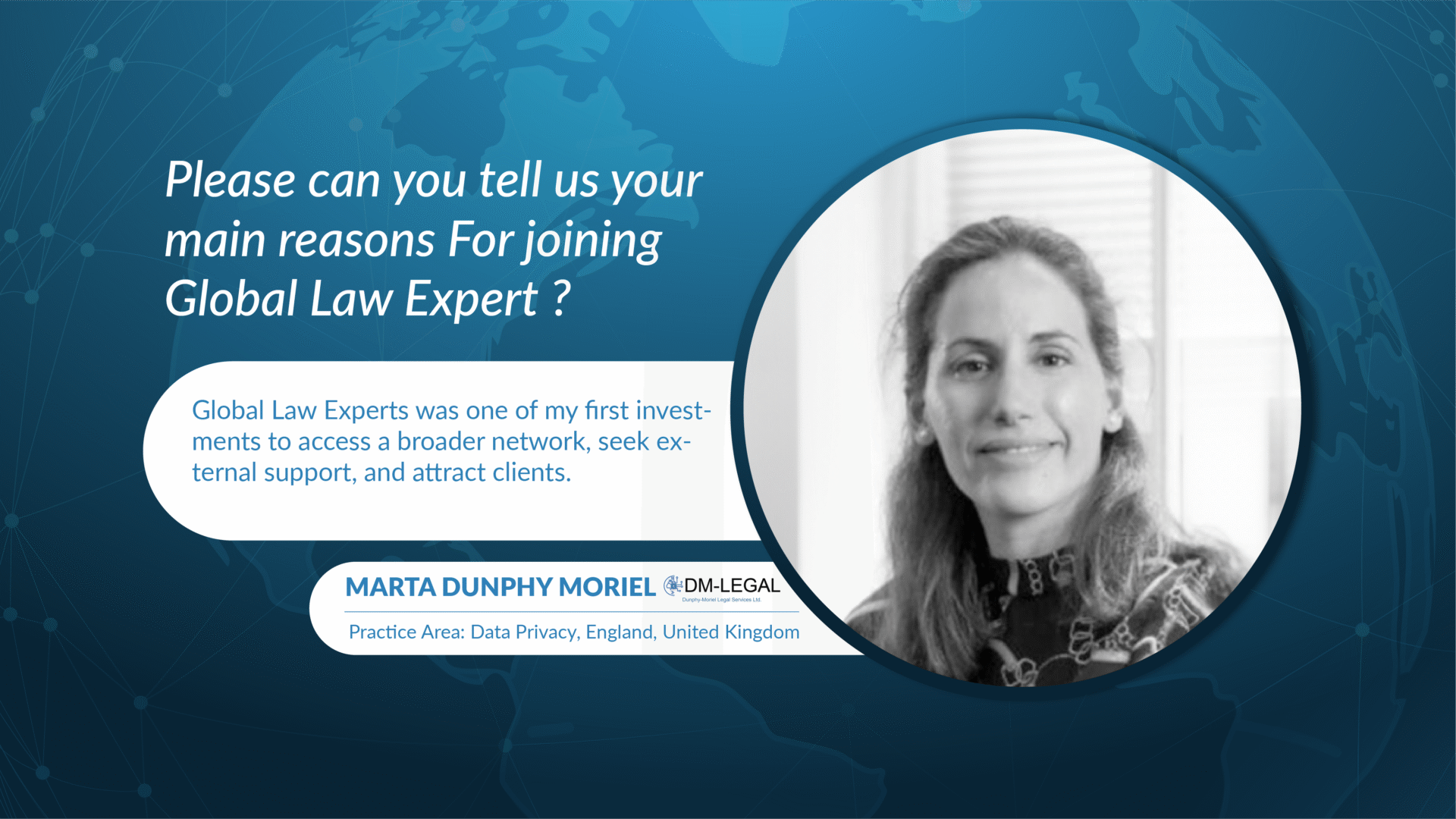
Testimonial-by-Marta-Dunphy-Moriel.png
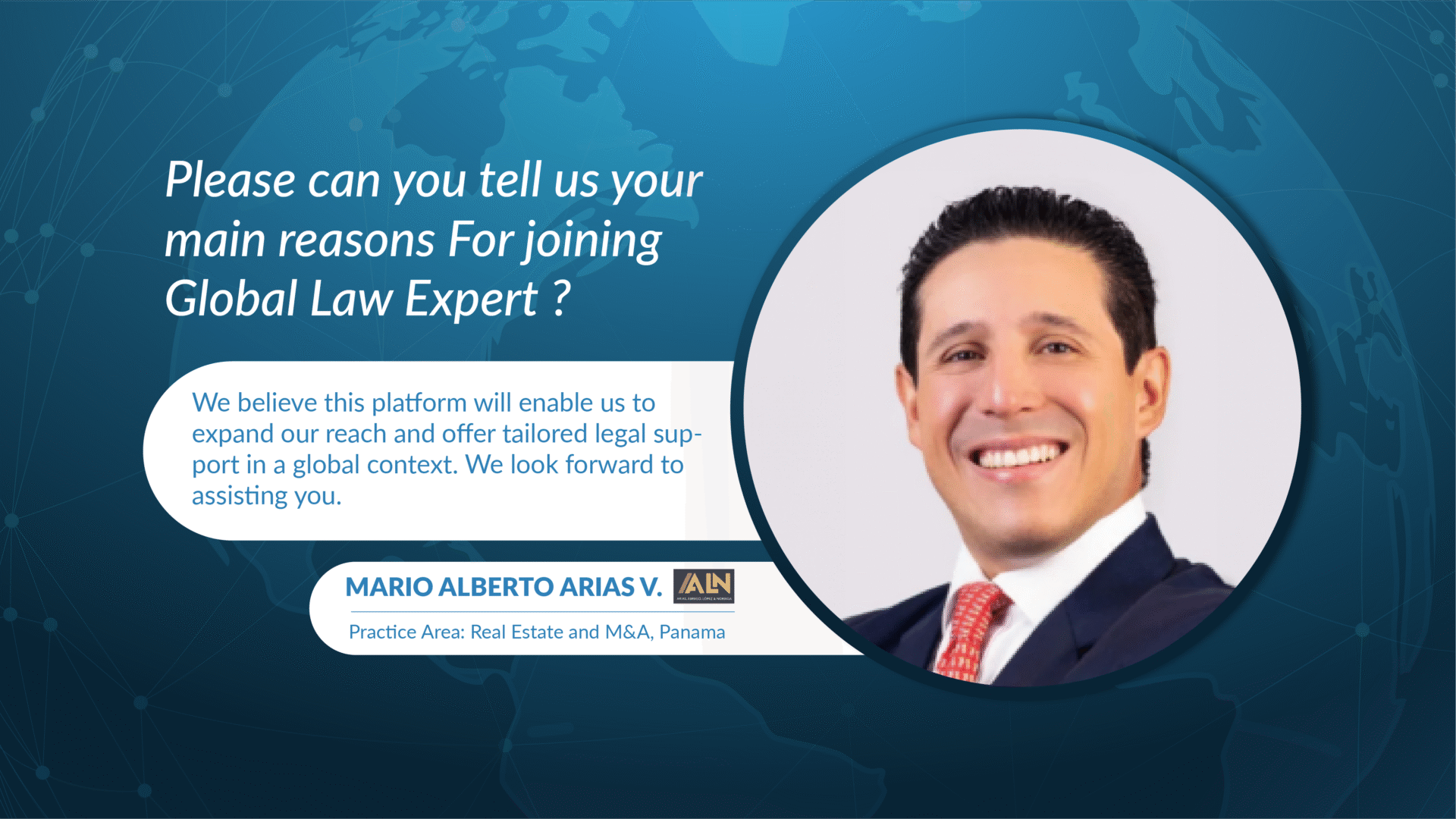
Testimonial-by-Mario-Alberto-Arias-V.png
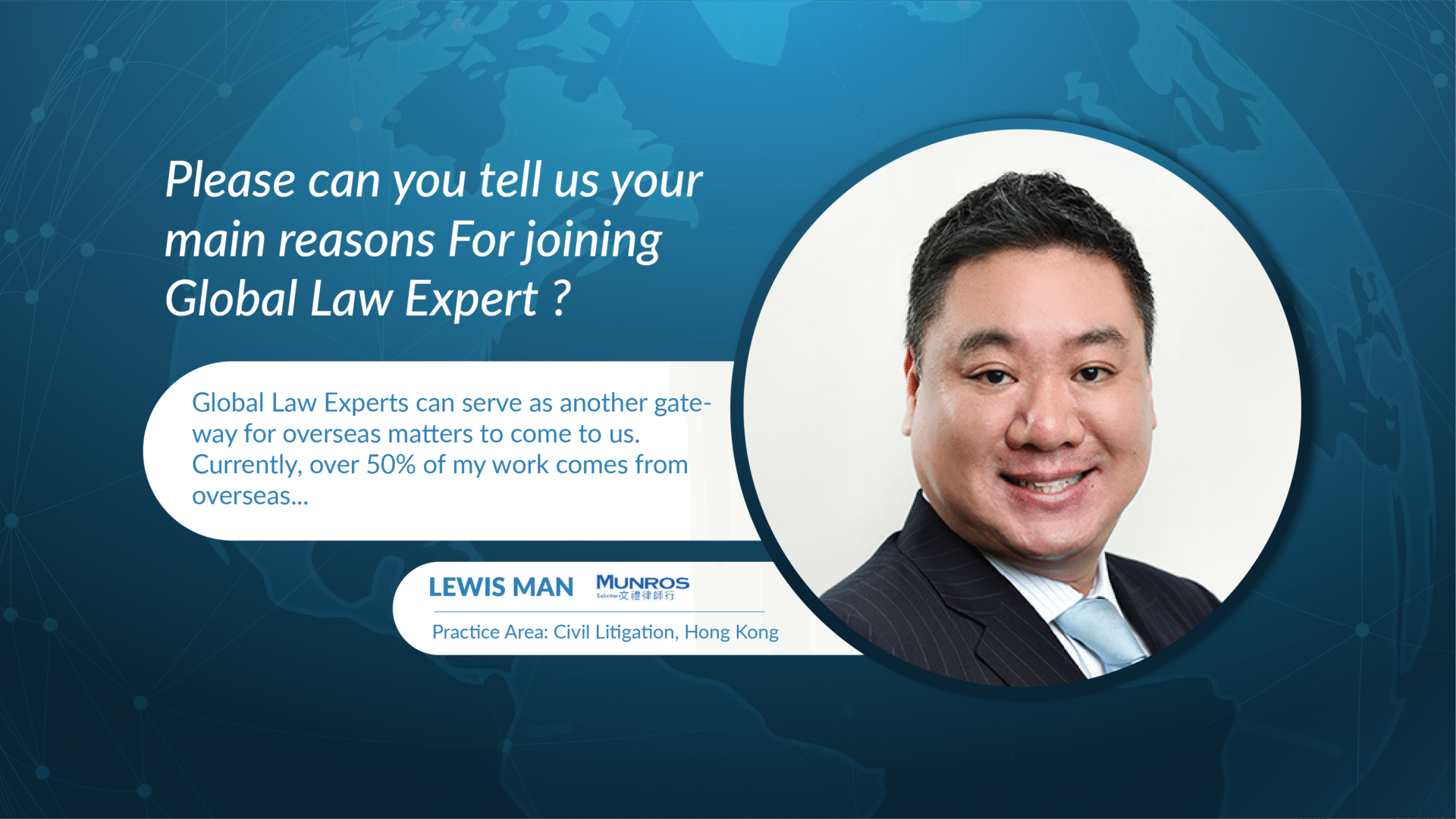
Testimonial-by-Lewis-Man.png
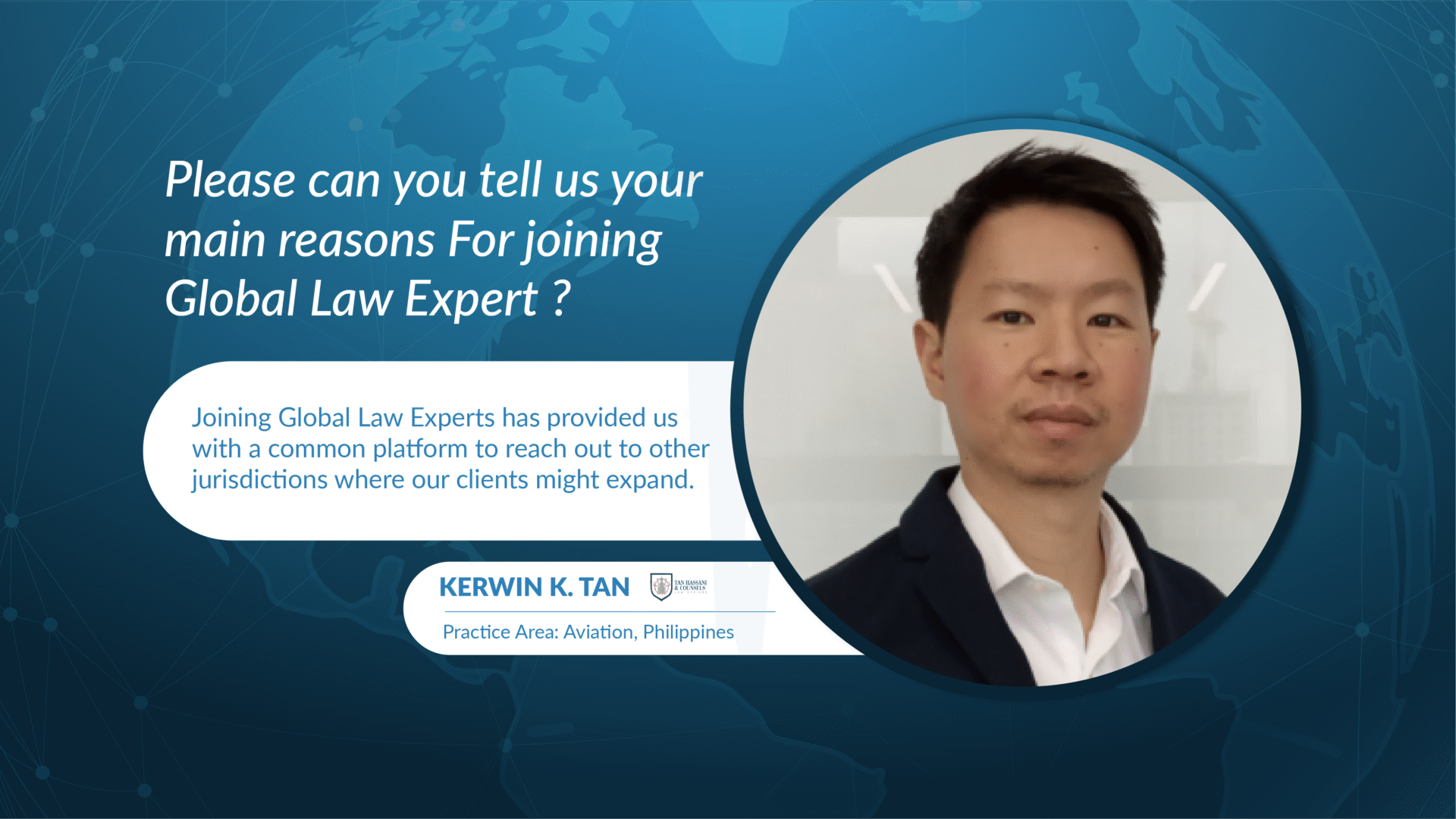
Testimonial-by-Kerwin-K.-Tan.png
Testimonial-by-Elena-Sadovskaya.png
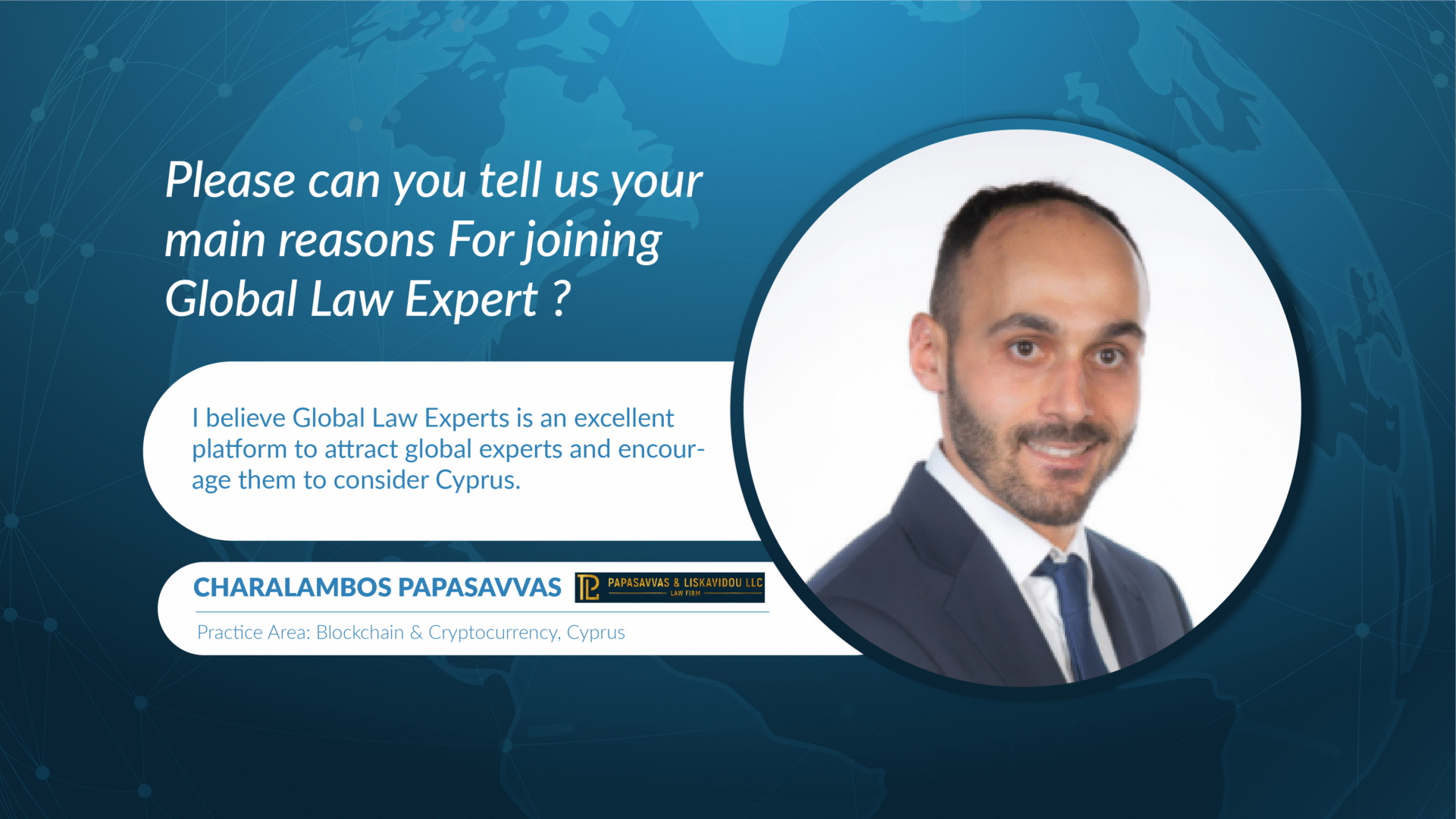
Testimonial-by-Charalambos-Papasavvas.png

Biotech FAQ's

A Biotech lawyer acts as a strategic navigator for companies turning scientific discoveries into commercial medicines. Unlike a standard corporate lawyer, they understand the specific lifecycle of a drug or therapy—from the “bench” (lab) to the “bedside” (patient). They manage the company’s most valuable asset, its Intellectual Property (IP), structure complex collaboration deals with Big Pharma, and ensure the company survives the “Valley of Death” (the long period of clinical trials without revenue) by securing venture capital funding and ensuring regulatory compliance.

Patenting biology is incredibly difficult because you cannot patent “products of nature.” A lawyer helps you navigate the strict Section 101 “Subject Matter Eligibility” hurdles set by the Supreme Court (e.g., the Myriad Genetics case). Instead of trying to patent a naturally occurring gene sequence (which is illegal), they draft claims focused on the modified vectors, the specific method of delivery, or the unique synthetic process used to create the therapy, ensuring your invention is legally considered a “manufacture” rather than a natural phenomenon.


Yes, because the FDA approval process is a legal gauntlet, not just a scientific one. A lawyer helps design the regulatory strategy for your Investigational New Drug (IND) and Biologics License Application (BLA), advising on whether you qualify for “fast-track” designations like Breakthrough Therapy or Orphan Drug status, which can save years and millions of dollars. They also review your labeling and marketing claims to ensure you don’t face “off-label” promotion enforcement actions after approval.

A technology transfer agreement is the contract that moves a scientific discovery from a non-profit research institute (like a university or government lab) to a for-profit company that can actually sell it. Since most groundbreaking biotech research starts in academic labs, this agreement is the “birth certificate” of many startups. It defines who owns the improvements made to the technology and how the original institution gets paid (royalties) once the product hits the market.

These deals are unique because the university usually retains the “title” (ownership) of the patent while granting the startup an “exclusive license” to use it. A lawyer negotiates critical terms like “milestone payments” (cash paid when the drug passes Phase I, II, or III trials) and “anti-shelving” clauses, which force the startup to actively develop the drug or lose the license. They also handle the Bayh-Dole Act requirements, ensuring the government’s rights in federally funded research are respected.

Clinical Trial Agreements (CTAs) are high-risk contracts between the biotech company, the trial site (hospital), and the Contract Research Organization (CRO). A lawyer manages the massive liability risk: if a patient is injured or dies during the trial, who pays? They draft indemnification clauses to protect the company and ensure strict compliance with Informed Consent laws and GCP (Good Clinical Practice) standards to prevent the data from being thrown out by regulators.

Yes, and their role is distinct because biotech investors are obsessed with “Freedom to Operate” (FTO). Before investing millions, VCs will demand an extensive “IP Due Diligence” audit. A lawyer prepares the “opinion letters” that prove your patents are valid and that you aren’t infringing on a competitor’s turf. If your IP house isn’t legally clean, investors will walk away immediately, knowing that a single patent lawsuit could shut down the entire company.

In biotech, “know-how” (like the exact temperature to grow a cell culture) is often just as valuable as the patent. A lawyer protects this by drafting strict “Invention Assignment Agreements” and non-compete clauses (where legal). When a scientist leaves for a competitor, the lawyer conducts an “exit interview” to remind them of their continuing legal obligations and, if necessary, files an immediate injunction to stop them from using confidential data in their new job.

Biotech FAQ's

A Biotech lawyer acts as a strategic navigator for companies turning scientific discoveries into commercial medicines. Unlike a standard corporate lawyer, they understand the specific lifecycle of a drug or therapy—from the "bench" (lab) to the "bedside" (patient). They manage the company's most valuable asset, its Intellectual Property (IP), structure complex collaboration deals with Big Pharma, and ensure the company survives the "Valley of Death" (the long period of clinical trials without revenue) by securing venture capital funding and ensuring regulatory compliance.

Patenting biology is incredibly difficult because you cannot patent "products of nature." A lawyer helps you navigate the strict Section 101 "Subject Matter Eligibility" hurdles set by the Supreme Court (e.g., the Myriad Genetics case). Instead of trying to patent a naturally occurring gene sequence (which is illegal), they draft claims focused on the modified vectors, the specific method of delivery, or the unique synthetic process used to create the therapy, ensuring your invention is legally considered a "manufacture" rather than a natural phenomenon.
Yes, because the FDA approval process is a legal gauntlet, not just a scientific one. A lawyer helps design the regulatory strategy for your Investigational New Drug (IND) and Biologics License Application (BLA), advising on whether you qualify for "fast-track" designations like Breakthrough Therapy or Orphan Drug status, which can save years and millions of dollars. They also review your labeling and marketing claims to ensure you don't face "off-label" promotion enforcement actions after approval.

A technology transfer agreement is the contract that moves a scientific discovery from a non-profit research institute (like a university or government lab) to a for-profit company that can actually sell it. Since most groundbreaking biotech research starts in academic labs, this agreement is the "birth certificate" of many startups. It defines who owns the improvements made to the technology and how the original institution gets paid (royalties) once the product hits the market.

These deals are unique because the university usually retains the "title" (ownership) of the patent while granting the startup an "exclusive license" to use it. A lawyer negotiates critical terms like "milestone payments" (cash paid when the drug passes Phase I, II, or III trials) and "anti-shelving" clauses, which force the startup to actively develop the drug or lose the license. They also handle the Bayh-Dole Act requirements, ensuring the government's rights in federally funded research are respected.

Clinical Trial Agreements (CTAs) are high-risk contracts between the biotech company, the trial site (hospital), and the Contract Research Organization (CRO). A lawyer manages the massive liability risk: if a patient is injured or dies during the trial, who pays? They draft indemnification clauses to protect the company and ensure strict compliance with Informed Consent laws and GCP (Good Clinical Practice) standards to prevent the data from being thrown out by regulators.

Yes, and their role is distinct because biotech investors are obsessed with "Freedom to Operate" (FTO). Before investing millions, VCs will demand an extensive "IP Due Diligence" audit. A lawyer prepares the "opinion letters" that prove your patents are valid and that you aren't infringing on a competitor's turf. If your IP house isn't legally clean, investors will walk away immediately, knowing that a single patent lawsuit could shut down the entire company.

In biotech, "know-how" (like the exact temperature to grow a cell culture) is often just as valuable as the patent. A lawyer protects this by drafting strict "Invention Assignment Agreements" and non-compete clauses (where legal). When a scientist leaves for a competitor, the lawyer conducts an "exit interview" to remind them of their continuing legal obligations and, if necessary, files an immediate injunction to stop them from using confidential data in their new job.

Join
who are already getting the benefits
0
Sign up for the latest legal briefings and news within Global Law Experts’ community, as well as a whole host of features, editorial and conference updates direct to your email inbox. Naturally you can unsubscribe at any time.
Newsletter Sign Up
About Us

Global Law Experts is dedicated to providing exceptional legal services to clients around the world. With a vast network of highly skilled and experienced lawyers, we are committed to delivering innovative and tailored solutions to meet the diverse needs of our clients in various jurisdictions.

Global Law Experts App

Now Available on the App & Google Play Stores.

Social Posts
[wp_social_ninja id="50714" platform="instagram"]

See More:

Contact Us

Stay Informed

Join Mailing List
About Us

Global Law Experts is dedicated to providing exceptional legal services to clients around the world. With a vast network of highly skilled and experienced lawyers, we are committed to delivering innovative and tailored solutions to meet the diverse needs of our clients in various jurisdictions.

Social Posts
[wp_social_ninja id="50714" platform="instagram"]

See More:

Global Law Experts App

Now Available on the App & Google Play Stores.

Contact Us

Stay Informed

Join Mailing List

GLE

Lawyer Profile Page - Lead Capture
GLE-Logo-White
Lawyer Profile Page - Lead Capture

Testimonial by Charalambos Papasavvas

Send welcome message

Custom Message