Global Law Experts
Lawyers
Countries Covered
Practice Areas
Discover award-winning Bankruptcy attorneys worldwide on Global Law Experts. Connect with independent legal experts in Bankruptcy law.
No results available Reset filters?
posted 3 months ago
No results available Reset filters?
Bankruptcy law involves complex proceedings that can determine the future of businesses and individuals facing financial distress. Whether you’re seeking relief through reorganization, liquidation, or defending claims, having experienced legal guidance is essential.
Global Law Experts connects you with seasoned bankruptcy lawyers who provide strategic, tailored counsel. Our vetted specialists assist with Chapter filings, debt restructuring, creditor rights, asset protection, and negotiation of repayment plans—helping you navigate the process, protect assets, and pursue the best possible outcomes.
Every GLE member is independently vetted by practice area and jurisdiction.
The main difference lies in whether you “liquidate” assets or “reorganize” debt. Chapter 7 is a “liquidation” bankruptcy where a trustee sells your non-exempt assets to pay off debts quickly, typically discharging remaining balances within months; it is best for those with low income and few assets. Chapter 13 is a “reorganization” for individuals with steady income, allowing you to keep your property (like a house) by repaying debts over a 3-5 year plan. Chapter 11 is primarily for businesses (and ultra-wealthy individuals) to stay open and operate while restructuring their debts under court supervision.
While you are legally allowed to file “pro se” (without a lawyer), statistics show it is highly risky. In Chapter 13 cases, specifically, the failure rate for pro se filers is nearly 98% because the repayment plans are incredibly complex legally. Even in Chapter 7, a lawyer is essential to properly apply “exemptions”—legal codes that protect your car, furniture, and retirement accounts from being seized by the trustee. Without a lawyer, you risk losing property you could have legally kept or having your case dismissed entirely for a paperwork error.
The automatic stay is a powerful federal court order that goes into effect the moment you file for bankruptcy. It acts as an immediate legal shield that strictly prohibits creditors from taking any collection action against you. This means all phone calls, lawsuits, wage garnishments, and even foreclosure sales must stop instantly. If a creditor ignores this and tries to collect anyway, your lawyer can sue them for damages and legal fees for violating a federal injunction.
Yes, primarily through Chapter 13 bankruptcy. While Chapter 7 only delays foreclosure by a few months (buying you time to move), Chapter 13 allows you to “cure the arrears.” This means your lawyer proposes a plan where you resume your normal mortgage payments and pay back the missed amount slowly over 3 to 5 years. As long as you stick to this court-approved plan, the bank is legally forbidden from foreclosing on you, effectively saving your home.
Bankruptcy is designed to wipe out “unsecured” debts, but Congress has carved out specific exceptions. Generally, you can discharge credit card debt, medical bills, personal loans, and old utility bills. You generally cannot discharge student loans (unless you prove “undue hardship,” which is very difficult), recent income taxes, child support, alimony, or court fines/criminal restitution. A lawyer reviews your specific debts to tell you exactly which ones will disappear and which will remain.

It depends on the chapter you choose. If you file Chapter 7, your business generally ceases operations immediately; a trustee takes control, fires employees, and sells the office equipment and inventory to pay creditors. If you file Chapter 11 (or Subchapter V for small businesses), you remain the “Debtor in Possession,” meaning you keep control of the company, continue serving customers, and renegotiate contracts to become profitable again, often emerging as a leaner, healthier company.
The trustee is a court-appointed administrator whose job is to oversee your case and represent the interests of your creditors, not you. In a Chapter 7 case, their primary goal is to find assets you own that can be sold to pay back debt; they review your financial records to ensure you aren’t hiding money. In Chapter 13, they act as a “disbursing agent,” collecting your monthly plan payment and distributing it to your creditors according to the strict priority rules of the bankruptcy code.
Yes, retaining a lawyer often stops the phone calls even before you file. Once you tell a debt collector, “I have retained an attorney,” the Fair Debt Collection Practices Act (FDCPA) requires them to stop contacting you directly and speak only to your lawyer. Once the bankruptcy is actually filed, the court sends an official notice to all your creditors; if they continue to harass you after receiving this notice, your lawyer can haul them into court and seek sanctions against them for every single violation.
The main difference lies in whether you "liquidate" assets or "reorganize" debt. Chapter 7 is a "liquidation" bankruptcy where a trustee sells your non-exempt assets to pay off debts quickly, typically discharging remaining balances within months; it is best for those with low income and few assets. Chapter 13 is a "reorganization" for individuals with steady income, allowing you to keep your property (like a house) by repaying debts over a 3-5 year plan. Chapter 11 is primarily for businesses (and ultra-wealthy individuals) to stay open and operate while restructuring their debts under court supervision.
While you are legally allowed to file "pro se" (without a lawyer), statistics show it is highly risky. In Chapter 13 cases, specifically, the failure rate for pro se filers is nearly 98% because the repayment plans are incredibly complex legally. Even in Chapter 7, a lawyer is essential to properly apply "exemptions"—legal codes that protect your car, furniture, and retirement accounts from being seized by the trustee. Without a lawyer, you risk losing property you could have legally kept or having your case dismissed entirely for a paperwork error.
The automatic stay is a powerful federal court order that goes into effect the moment you file for bankruptcy. It acts as an immediate legal shield that strictly prohibits creditors from taking any collection action against you. This means all phone calls, lawsuits, wage garnishments, and even foreclosure sales must stop instantly. If a creditor ignores this and tries to collect anyway, your lawyer can sue them for damages and legal fees for violating a federal injunction.
Yes, primarily through Chapter 13 bankruptcy. While Chapter 7 only delays foreclosure by a few months (buying you time to move), Chapter 13 allows you to "cure the arrears." This means your lawyer proposes a plan where you resume your normal mortgage payments and pay back the missed amount slowly over 3 to 5 years. As long as you stick to this court-approved plan, the bank is legally forbidden from foreclosing on you, effectively saving your home.
Bankruptcy is designed to wipe out "unsecured" debts, but Congress has carved out specific exceptions. Generally, you can discharge credit card debt, medical bills, personal loans, and old utility bills. You generally cannot discharge student loans (unless you prove "undue hardship," which is very difficult), recent income taxes, child support, alimony, or court fines/criminal restitution. A lawyer reviews your specific debts to tell you exactly which ones will disappear and which will remain.

It depends on the chapter you choose. If you file Chapter 7, your business generally ceases operations immediately; a trustee takes control, fires employees, and sells the office equipment and inventory to pay creditors. If you file Chapter 11 (or Subchapter V for small businesses), you remain the "Debtor in Possession," meaning you keep control of the company, continue serving customers, and renegotiate contracts to become profitable again, often emerging as a leaner, healthier company.
The trustee is a court-appointed administrator whose job is to oversee your case and represent the interests of your creditors, not you. In a Chapter 7 case, their primary goal is to find assets you own that can be sold to pay back debt; they review your financial records to ensure you aren't hiding money. In Chapter 13, they act as a "disbursing agent," collecting your monthly plan payment and distributing it to your creditors according to the strict priority rules of the bankruptcy code.
Yes, retaining a lawyer often stops the phone calls even before you file. Once you tell a debt collector, "I have retained an attorney," the Fair Debt Collection Practices Act (FDCPA) requires them to stop contacting you directly and speak only to your lawyer. Once the bankruptcy is actually filed, the court sends an official notice to all your creditors; if they continue to harass you after receiving this notice, your lawyer can haul them into court and seek sanctions against them for every single violation.

Global Law Experts is dedicated to providing exceptional legal services to clients around the world. With a vast network of highly skilled and experienced lawyers, we are committed to delivering innovative and tailored solutions to meet the diverse needs of our clients in various jurisdictions.
Thinking of buying property in Brazil? Start with a full legal safety net.
✔️ Check title and ownership history
✔️ Verify no debts or disputes
✔️ Confirm zoning and permits.
#BrazilProperty #RealEstateInvesting #LegalDueDiligence #ForeignInvestment #PropertyLaw #GlobalRealEstate #InvestmentRisk #BrazilLaw
When your international business faces financial distress, quick action is key! 🔑 Negotiating with creditors, restructuring debt, and understanding insolvency laws can help regain stability. Global Law Experts is here to guide you through your options.
🌍Explore the details on our website.
🔗Link in bio
#GlobalLawExperts #CommercialLaw #BusinessLaw #LegalAdvice #BusinessGrowth #LegalTips #BusinessStrategy #LegalCompliance #Law #LegalKnowledge #LegalAwareness #Law101 #LegalEducation #IntellectualProperty
Thinking of buying property in Brazil? Don’t stop at the contract or key handover. Make sure the title is officially registered before calling it yours.
#BrazilRealEstate #PropertyLaw #GlobalInvestment #ForeignInvestors #LegalTips #DueDiligence #RealEstateRegistration #SecureInvestment
Getting a termination notice right now? Know your rights. Valid reason, fair process, proper notice they matter. Don’t let a bad dismissal walk away without accountability.
#EmploymentLaw #WorkerRights #Termination #LaborLaw #FairDismissal #WorkplaceJustice #LegalAwareness #GlobalWorkforce
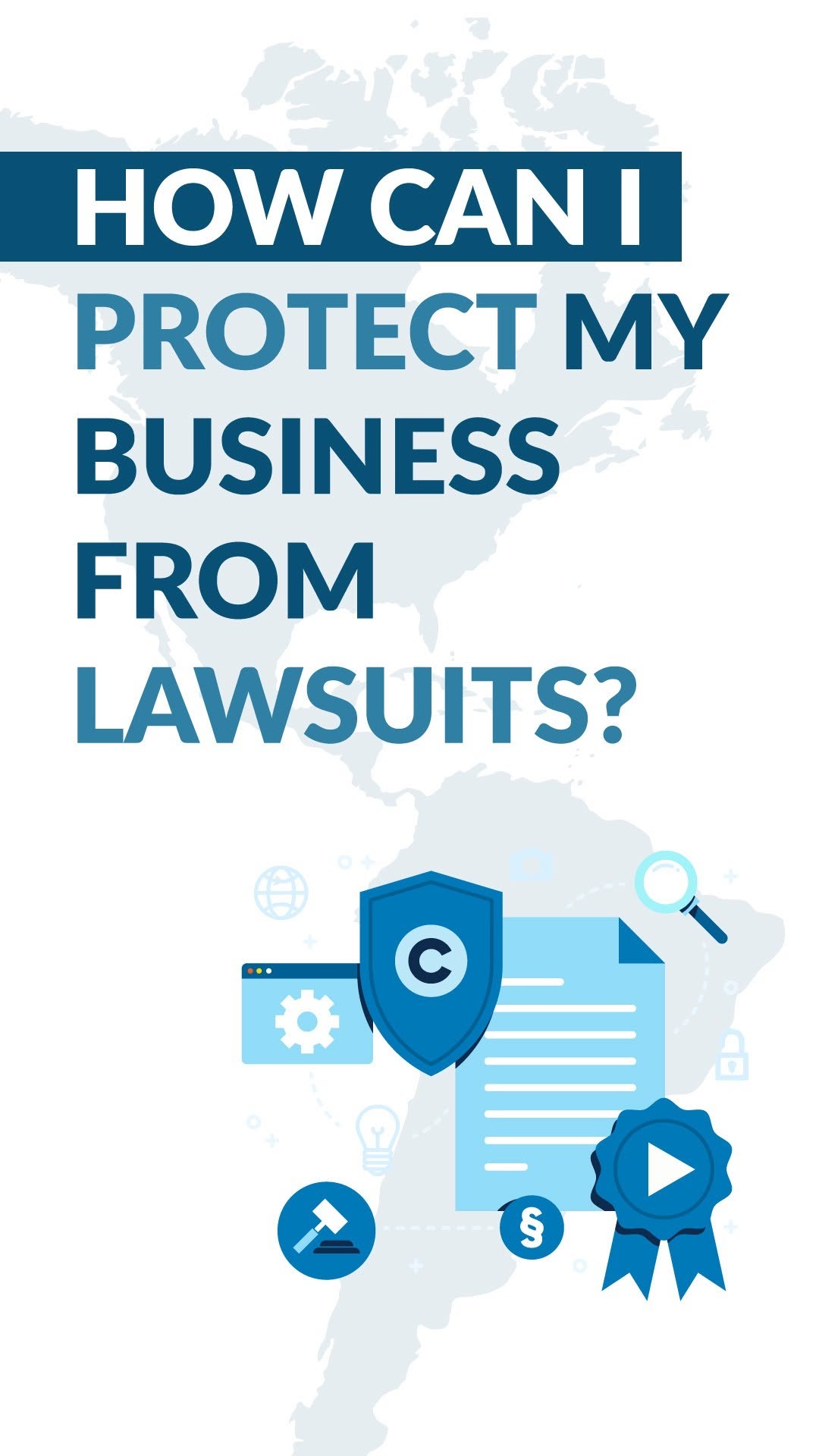
Running a business is hard enough — lawsuits shouldn’t make it harder. 🚫 Protect your business with the right legal strategies and expert tools from Global Law Experts. Let’s secure your future together! 💼
🌍Explore the details on our website.
➡️www.globallawexperts.com
#GlobalLawExperts #CommercialLaw #BusinessLaw #LegalAdvice #BusinessGrowth #LegalTips #BusinessStrategy #LegalCompliance #Law #LegalKnowledge #LegalAwareness #Law101 #LegalEducation #IntellectualProperty #Infringed #Ecommerce #LegalBranding
Global Law Experts is dedicated to providing exceptional legal services to clients around the world. With a vast network of highly skilled and experienced lawyers, we are committed to delivering innovative and tailored solutions to meet the diverse needs of our clients in various jurisdictions.
Thinking of buying property in Brazil? Start with a full legal safety net.
✔️ Check title and ownership history
✔️ Verify no debts or disputes
✔️ Confirm zoning and permits.
#BrazilProperty #RealEstateInvesting #LegalDueDiligence #ForeignInvestment #PropertyLaw #GlobalRealEstate #InvestmentRisk #BrazilLaw
When your international business faces financial distress, quick action is key! 🔑 Negotiating with creditors, restructuring debt, and understanding insolvency laws can help regain stability. Global Law Experts is here to guide you through your options.
🌍Explore the details on our website.
🔗Link in bio
#GlobalLawExperts #CommercialLaw #BusinessLaw #LegalAdvice #BusinessGrowth #LegalTips #BusinessStrategy #LegalCompliance #Law #LegalKnowledge #LegalAwareness #Law101 #LegalEducation #IntellectualProperty
Thinking of buying property in Brazil? Don’t stop at the contract or key handover. Make sure the title is officially registered before calling it yours.
#BrazilRealEstate #PropertyLaw #GlobalInvestment #ForeignInvestors #LegalTips #DueDiligence #RealEstateRegistration #SecureInvestment
Getting a termination notice right now? Know your rights. Valid reason, fair process, proper notice they matter. Don’t let a bad dismissal walk away without accountability.
#EmploymentLaw #WorkerRights #Termination #LaborLaw #FairDismissal #WorkplaceJustice #LegalAwareness #GlobalWorkforce
Running a business is hard enough — lawsuits shouldn’t make it harder. 🚫 Protect your business with the right legal strategies and expert tools from Global Law Experts. Let’s secure your future together! 💼
🌍Explore the details on our website.
➡️www.globallawexperts.com
#GlobalLawExperts #CommercialLaw #BusinessLaw #LegalAdvice #BusinessGrowth #LegalTips #BusinessStrategy #LegalCompliance #Law #LegalKnowledge #LegalAwareness #Law101 #LegalEducation #IntellectualProperty #Infringed #Ecommerce #LegalBranding
Send welcome message