[codicts-css-switcher id=”346″]

Global Law Experts Logo

Aviation Finance Lawyers Worldwide.

Global Law Experts

Meet Our Aviation Finance Lawyers

Discover independent Aviation Finance legal experts in our global directory. Connect with award-winning lawyers today.

Legal
Country
Aviation Finance
Legal
Country
Aviation Finance
One result

Ravi Nath

  • GOLD

Email:

Phone:

+91. 1*****
Photo-friedchicman34.png
Logo-rnc33.png
Photo-friedchicman34.png

Ravi Nath

  • GOLD

Ravi Nath

  • GOLD
Aviation Finance Law in India
  • RNC Legal / Rajinder Narain & Co.

Aviation Finance News

Find Expert Aviation Finance Lawyers Through Global Law Experts

Keep Your Fleet Moving with Expert Aviation Finance Counsel

Aviation finance transactions involve complex regulatory frameworks, high-value assets, and intricate structuring. Whether securing aircraft financing, negotiating leases, or managing refinancing and repossession issues, having the right legal guidance is essential.

Global Law Experts connects you with experienced aviation finance lawyers who provide strategic, tailored counsel for airlines, lessors, investors, and manufacturers. Our vetted specialists help structure deals, ensure compliance, mitigate risk, and support successful transactions—keeping your operations financially sound and competitive.

Professional Aviation Finance Help You Can Trust

We will help match you with a qualified Aviation Finance law specialist who can offer reliable advice, clarify your options, and guide you through the next steps in the legal process.
Main Lead Capture Form - Home

Every GLE member is independently vetted by practice area and jurisdiction.

Client Success Stories

Testimonial-by-Jonathan-Gilmour.png
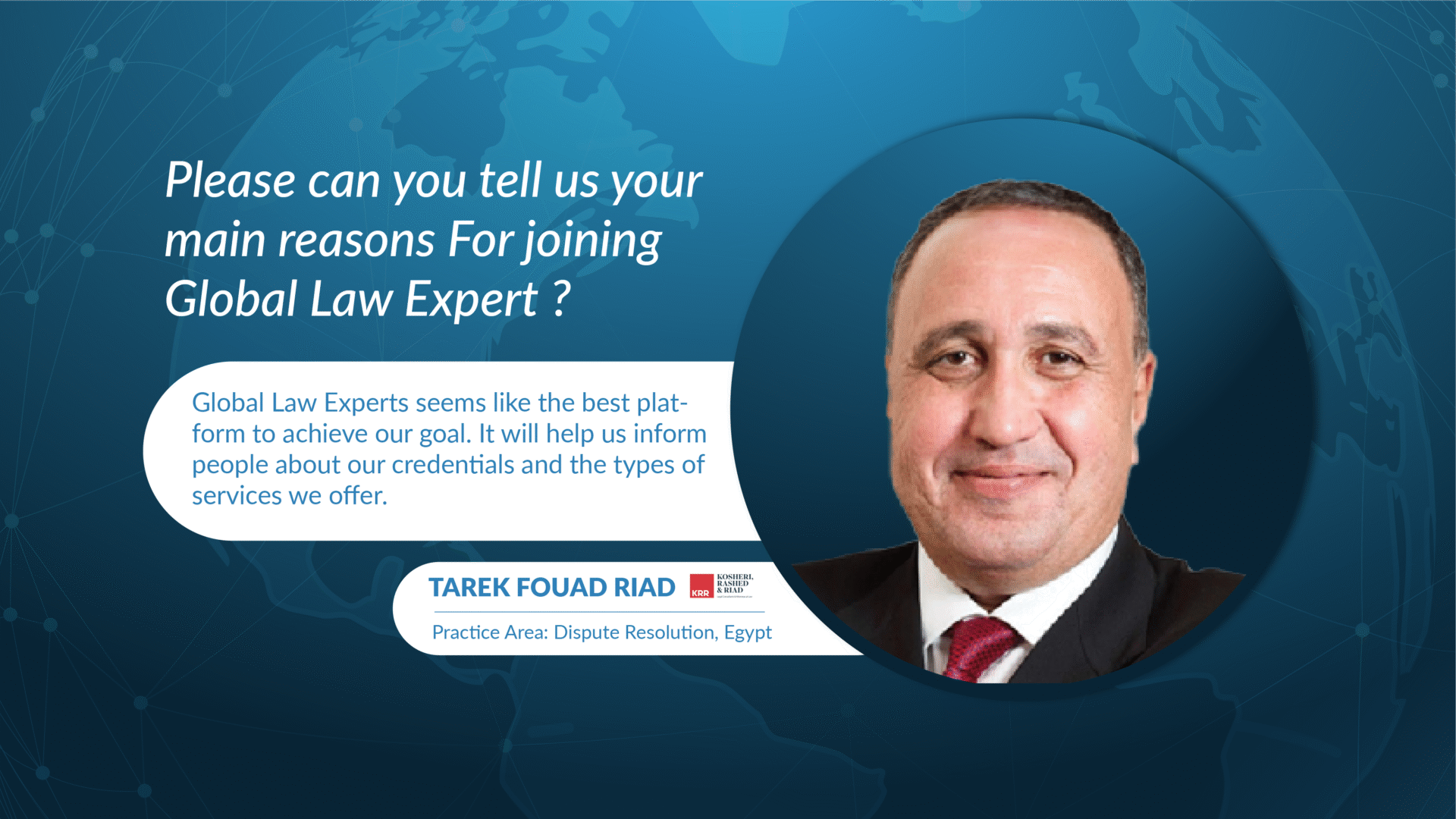
Testimonial-by-Tarek-Fouad-Riad.png
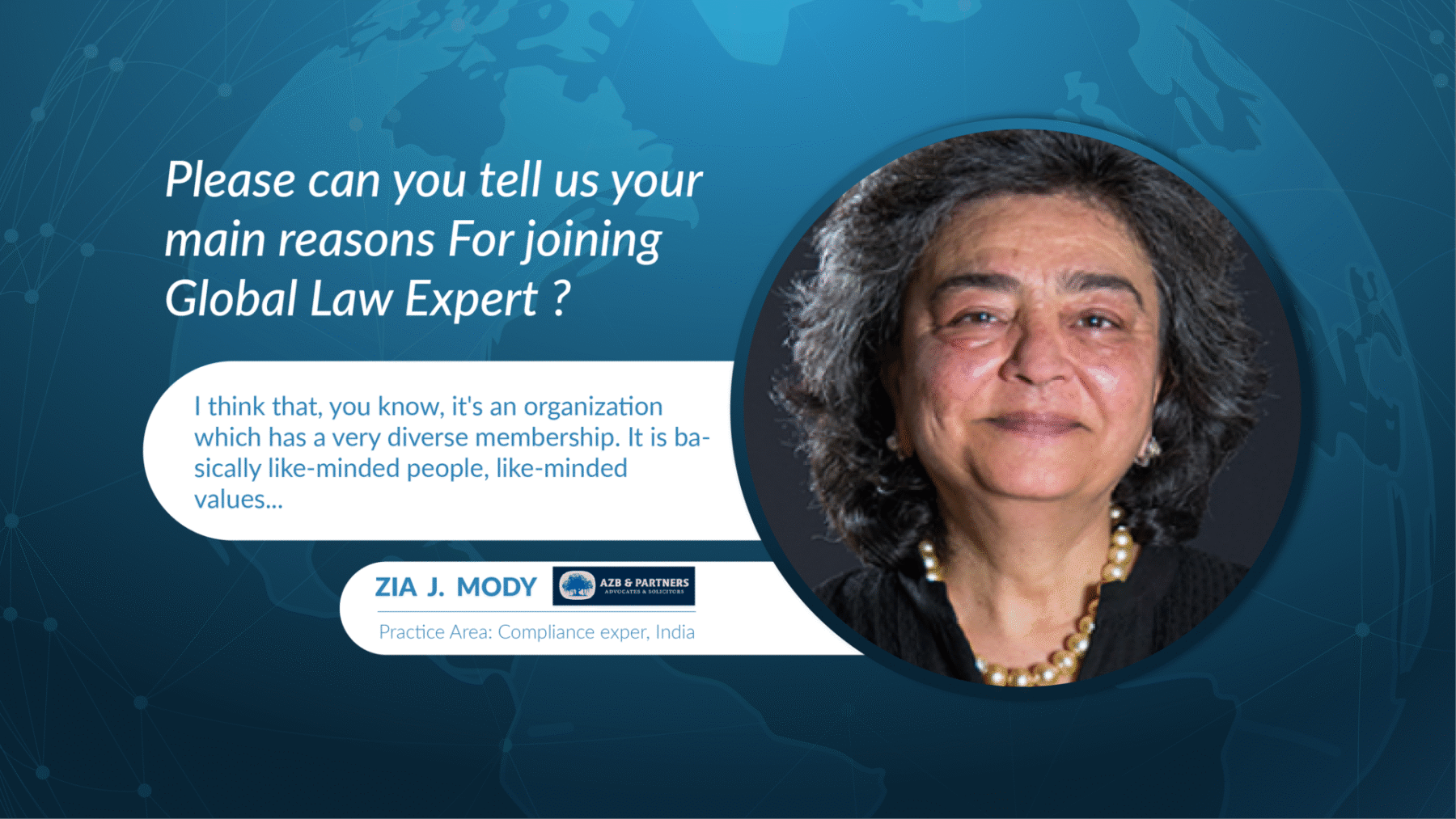
Testimonial-by-Zia-J.-Mody.png
Testimonial-by-Virginie-Tassin-Campanella.png
Testimonial-by-Marta-Dunphy-Moriel.png
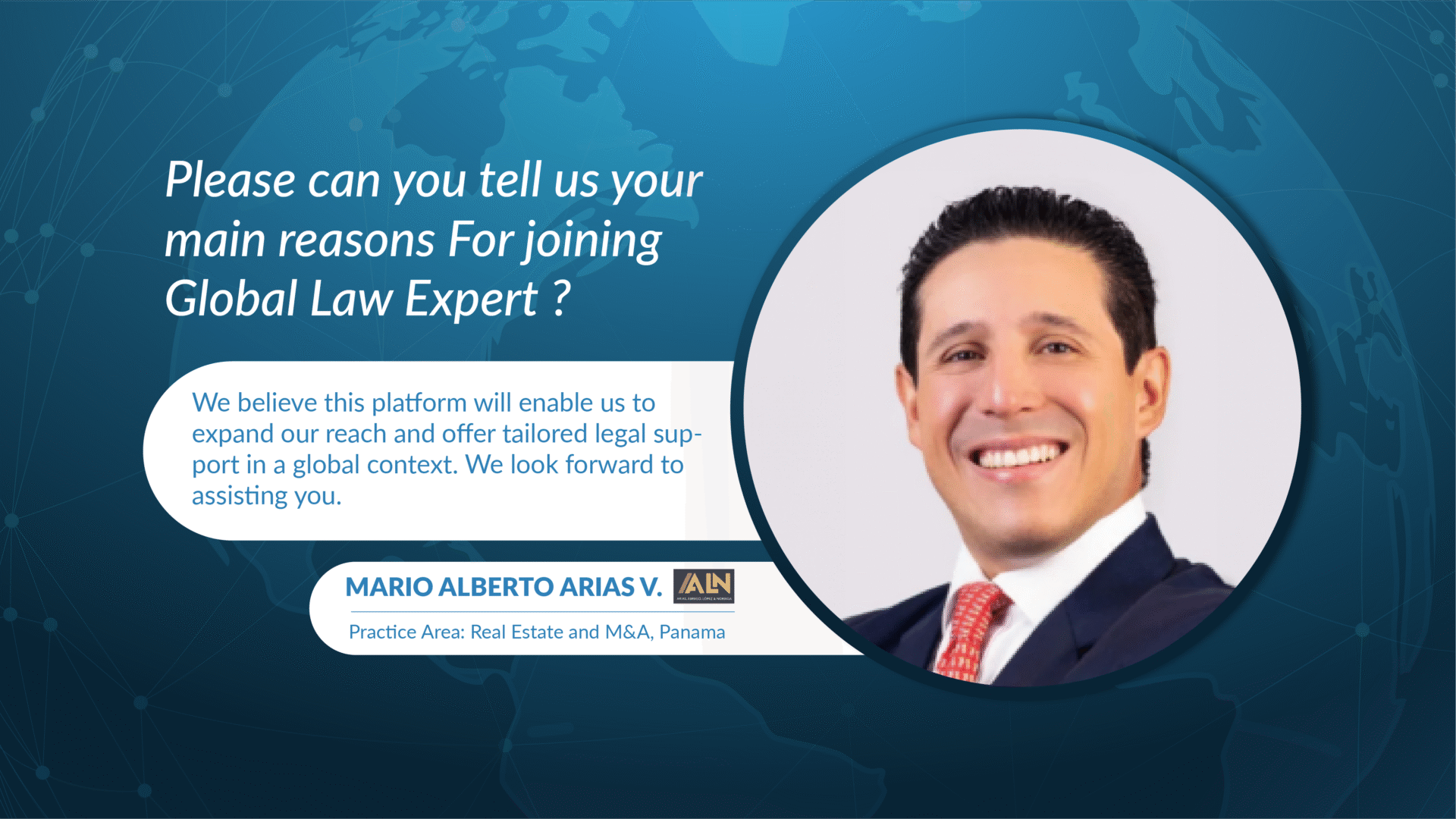
Testimonial-by-Mario-Alberto-Arias-V.png
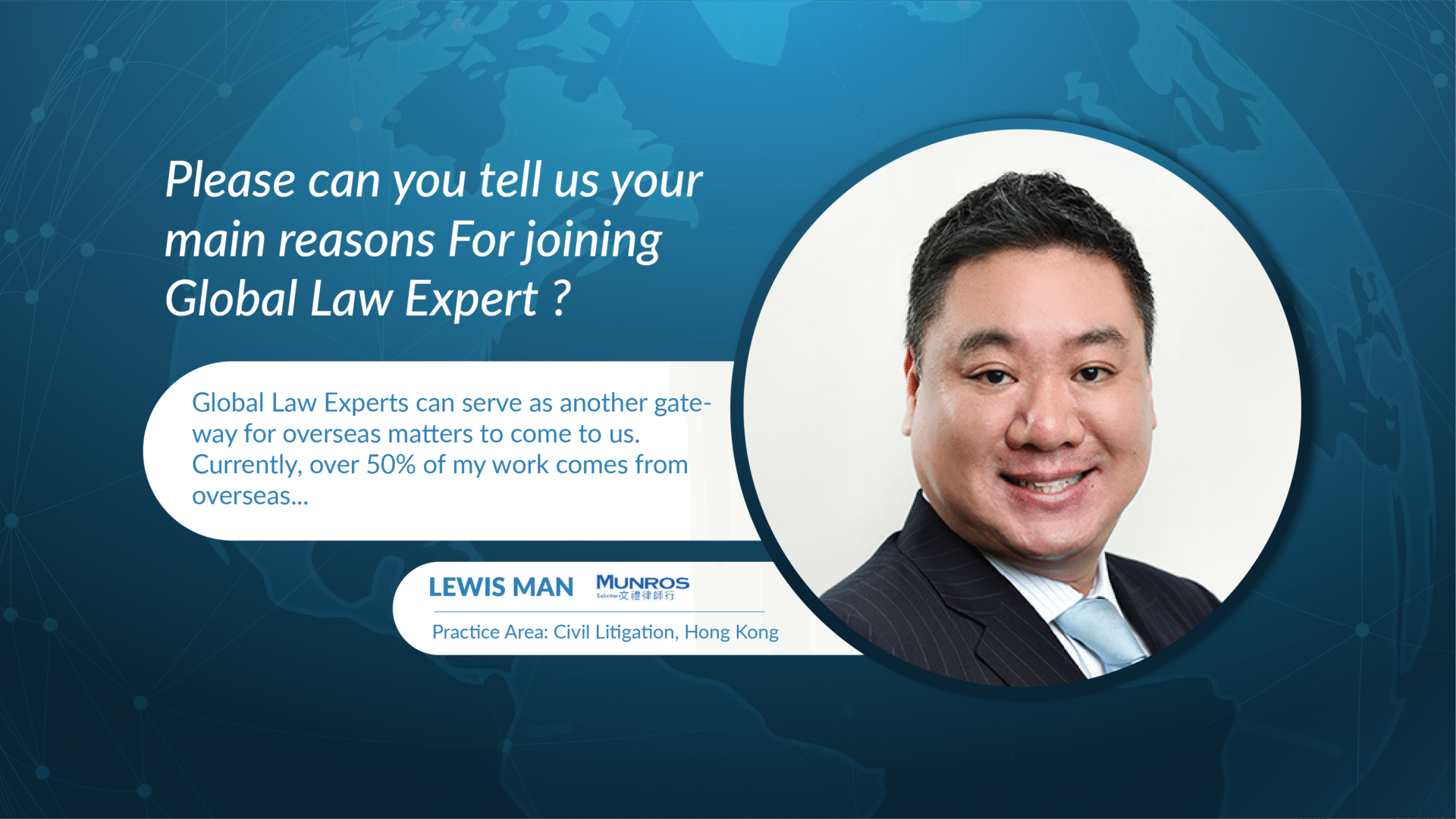
Testimonial-by-Lewis-Man.png
Testimonial-by-Kerwin-K.-Tan.png
Testimonial-by-Elena-Sadovskaya.png
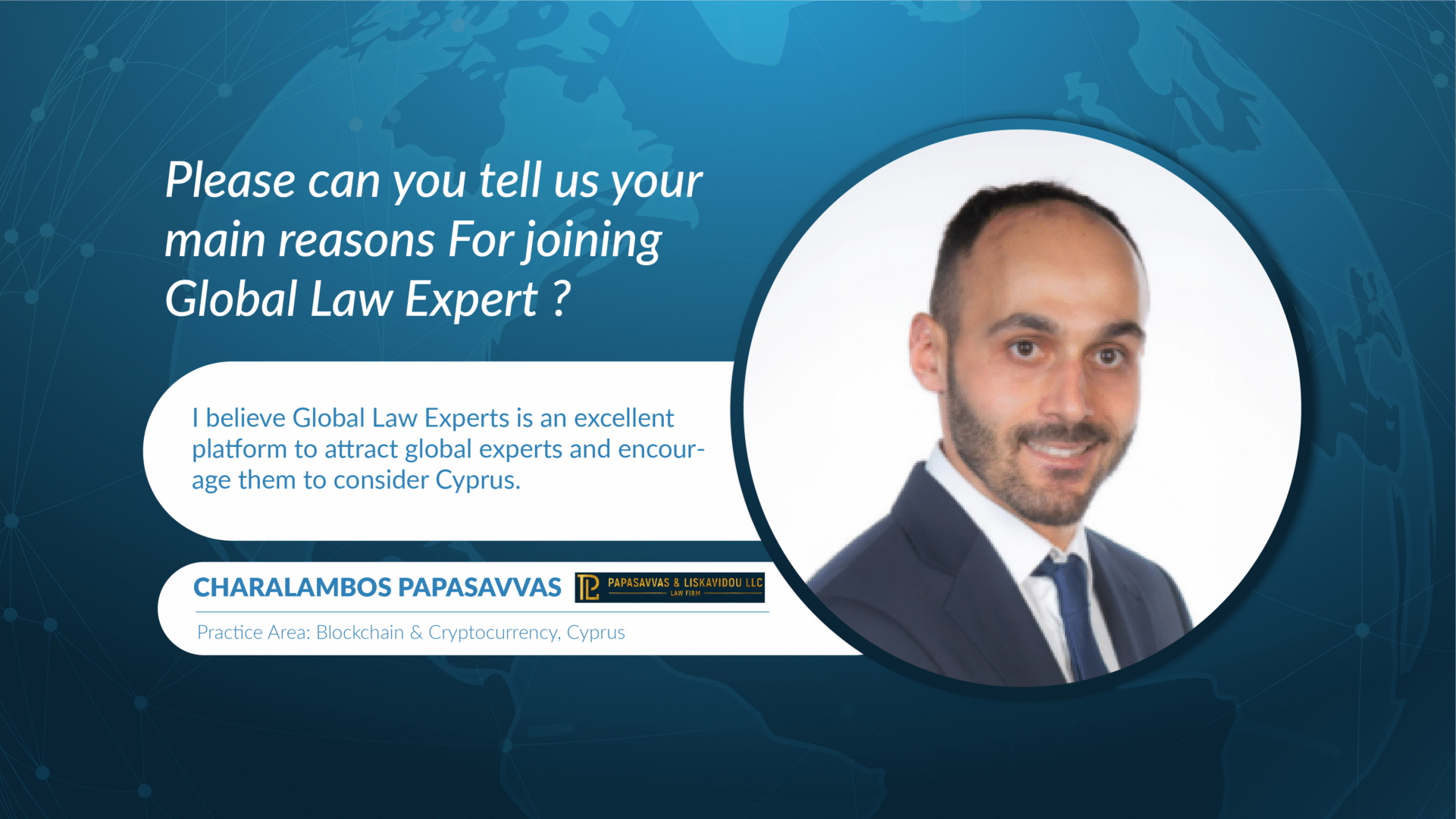
Testimonial-by-Charalambos-Papasavvas.png

Aviation Finance FAQ's

An Aviation Finance lawyer acts as the architect for high-value aircraft transactions, serving airlines, banks, lessors, and private owners. Their work involves structuring complex deals like “Sale and Leasebacks” (where an airline sells a plane to a lessor and immediately rents it back to raise cash), drafting loan documentation, and ensuring tax efficiency. Beyond the paperwork, they handle the critical “delivery and acceptance” process, physically and legally transferring the asset, and manage the enforcement of rights if a borrower defaults, including the repossession of aircraft stranded in foreign countries.


The Cape Town Convention (CTC) is the “gold standard” treaty that reduces the risk for lenders by creating a unified international legal standard for aircraft rights. Before the CTC, lenders feared that if an airline in a foreign country went bankrupt, local courts might refuse to let them repossess the jet. The CTC solves this by establishing an International Registry where lenders can record their interest, ensuring they have “priority” over other creditors and a standardized legal right to seize the aircraft quickly in the event of default.

Yes, purchasing a private jet is far more complex than buying a house, and a lawyer manages the process from the “Letter of Intent” (LOI) to the final closing. They negotiate the Aircraft Purchase Agreement (APA) to include critical “pre-buy inspection” clauses, ensuring you can walk away if the inspection reveals corrosion or engine damage. They also structure the ownership entity (often an LLC or SPV) to comply with FAA registration rules and minimize sales tax or VAT liability, which can save millions on a high-value asset.

PDPs are massive progress payments that an airline must pay to a manufacturer (like Boeing or Airbus) while an aircraft is being built, often years before it is delivered. Since the aircraft doesn’t physically exist yet, a lawyer cannot secure the loan with a mortgage on the metal. Instead, they secure the financing by creating a “security assignment” of the airline’s purchase contract with the manufacturer; if the airline defaults, the lender steps into their shoes and takes over the right to buy the finished aircraft.

Repossession is a high-stakes legal operation that often requires immediate “self-help” action or emergency court orders. A lawyer will typically trigger an IDERA (Irrevocable De-Registration and Export Request Authorization), a powerful document filed with the aviation authority that forces them to de-register the plane so it can be flown out of the country. They coordinate with local counsel to physically secure the aircraft at the airport, settle unpaid fuel or hangar liens that could block departure, and fly the asset to a “friendly” jurisdiction for storage.

An SPV is a separate company created solely to own a specific aircraft, designed to isolate financial risk. Lawyers use “orphan trust” structures where the SPV’s shares are held by a charitable trust rather than the airline or lender. This ensures “bankruptcy remoteness”—if the airline goes bankrupt, the aircraft is legally separate and safe from the airline’s general creditors, allowing the lender to repossess it cleanly without getting dragged into the airline’s insolvency proceedings.

Aviation Finance FAQ's

An Aviation Finance lawyer acts as the architect for high-value aircraft transactions, serving airlines, banks, lessors, and private owners. Their work involves structuring complex deals like "Sale and Leasebacks" (where an airline sells a plane to a lessor and immediately rents it back to raise cash), drafting loan documentation, and ensuring tax efficiency. Beyond the paperwork, they handle the critical "delivery and acceptance" process, physically and legally transferring the asset, and manage the enforcement of rights if a borrower defaults, including the repossession of aircraft stranded in foreign countries.
The Cape Town Convention (CTC) is the "gold standard" treaty that reduces the risk for lenders by creating a unified international legal standard for aircraft rights. Before the CTC, lenders feared that if an airline in a foreign country went bankrupt, local courts might refuse to let them repossess the jet. The CTC solves this by establishing an International Registry where lenders can record their interest, ensuring they have "priority" over other creditors and a standardized legal right to seize the aircraft quickly in the event of default.

Yes, purchasing a private jet is far more complex than buying a house, and a lawyer manages the process from the "Letter of Intent" (LOI) to the final closing. They negotiate the Aircraft Purchase Agreement (APA) to include critical "pre-buy inspection" clauses, ensuring you can walk away if the inspection reveals corrosion or engine damage. They also structure the ownership entity (often an LLC or SPV) to comply with FAA registration rules and minimize sales tax or VAT liability, which can save millions on a high-value asset.

PDPs are massive progress payments that an airline must pay to a manufacturer (like Boeing or Airbus) while an aircraft is being built, often years before it is delivered. Since the aircraft doesn't physically exist yet, a lawyer cannot secure the loan with a mortgage on the metal. Instead, they secure the financing by creating a "security assignment" of the airline’s purchase contract with the manufacturer; if the airline defaults, the lender steps into their shoes and takes over the right to buy the finished aircraft.

Repossession is a high-stakes legal operation that often requires immediate "self-help" action or emergency court orders. A lawyer will typically trigger an IDERA (Irrevocable De-Registration and Export Request Authorization), a powerful document filed with the aviation authority that forces them to de-register the plane so it can be flown out of the country. They coordinate with local counsel to physically secure the aircraft at the airport, settle unpaid fuel or hangar liens that could block departure, and fly the asset to a "friendly" jurisdiction for storage.

An SPV is a separate company created solely to own a specific aircraft, designed to isolate financial risk. Lawyers use "orphan trust" structures where the SPV’s shares are held by a charitable trust rather than the airline or lender. This ensures "bankruptcy remoteness"—if the airline goes bankrupt, the aircraft is legally separate and safe from the airline’s general creditors, allowing the lender to repossess it cleanly without getting dragged into the airline’s insolvency proceedings.

Join
who are already getting the benefits
0
Sign up for the latest legal briefings and news within Global Law Experts’ community, as well as a whole host of features, editorial and conference updates direct to your email inbox. Naturally you can unsubscribe at any time.
Newsletter Sign Up
About Us

Global Law Experts is dedicated to providing exceptional legal services to clients around the world. With a vast network of highly skilled and experienced lawyers, we are committed to delivering innovative and tailored solutions to meet the diverse needs of our clients in various jurisdictions.

Global Law Experts App

Now Available on the App & Google Play Stores.

Social Posts
[wp_social_ninja id="50714" platform="instagram"]

See More:

Contact Us

Stay Informed

Join Mailing List
About Us

Global Law Experts is dedicated to providing exceptional legal services to clients around the world. With a vast network of highly skilled and experienced lawyers, we are committed to delivering innovative and tailored solutions to meet the diverse needs of our clients in various jurisdictions.

Social Posts
[wp_social_ninja id="50714" platform="instagram"]

See More:

Global Law Experts App

Now Available on the App & Google Play Stores.

Contact Us

Stay Informed

Join Mailing List

GLE

Lawyer Profile Page - Lead Capture
GLE-Logo-White
Lawyer Profile Page - Lead Capture
Photo-friedchicman34.png

Ravi Nath

Send welcome message

Custom Message