[codicts-css-switcher id=”346″]

Global Law Experts Logo
Arnaud Tailfer Joins Global Law Experts as Exclusive Member for International Tax Law in France | GLE News

Audit & Assurance Lawyers Worldwide.

Global Law Experts

Meet Our Audit & Assurance Lawyers

Discover independent Audit & Assurance legal experts worldwide on Global Law Experts. Explore recognized lawyers in the field of Audit & Assurance.

Legal
Country
Audit & Assurance
Legal
Country
Audit & Assurance
2 results

Mustafa Aldrees

  • GOLD

Email:

Phone:

+966 5*****
Default Profiel Picture

Mustafa Aldrees

  • GOLD

Mustafa Aldrees

  • GOLD
Audit & Assurance Law in Saudi Arabia
  • Aldrees for Profesional Consultancy
  • GOLD

Maksat Sahedov

  • GOLD

Email:

Phone:

+993 6*****
Maksat Sahedov
Auditor Maksat Sahedov
Maksat Sahedov

Maksat Sahedov

  • GOLD

Maksat Sahedov

  • GOLD
Audit & Assurance Law in Turkmenistan
  • Auditor Maksat Sahedov

Audit & Assurance News

Find Expert Audit & Assurance Lawyers Through Global Law Experts

Strengthen Compliance with Expert Audit & Assurance Counsel

Audit and assurance services help ensure your financial reporting, internal controls, and regulatory compliance are accurate and reliable. Whether preparing for statutory audits, enhancing transparency, or mitigating risk, expert legal and advisory support makes the process smoother and more effective.

Global Law Experts connects you with experienced audit and assurance professionals who provide tailored guidance to businesses and organizations. Our vetted specialists assist with audit planning, risk assessments, compliance reviews, and reporting frameworks, helping you maintain trust with stakeholders and meet legal obligations.

Professional Audit & Assurance Help You Can Trust

We will help match you with a qualified Audit & Assurance law specialist who can offer reliable advice, clarify your options, and guide you through the next steps in the legal process.
Lead Enquiries Qualification

Every GLE member is independently vetted by practice area and jurisdiction.

Client Success Stories

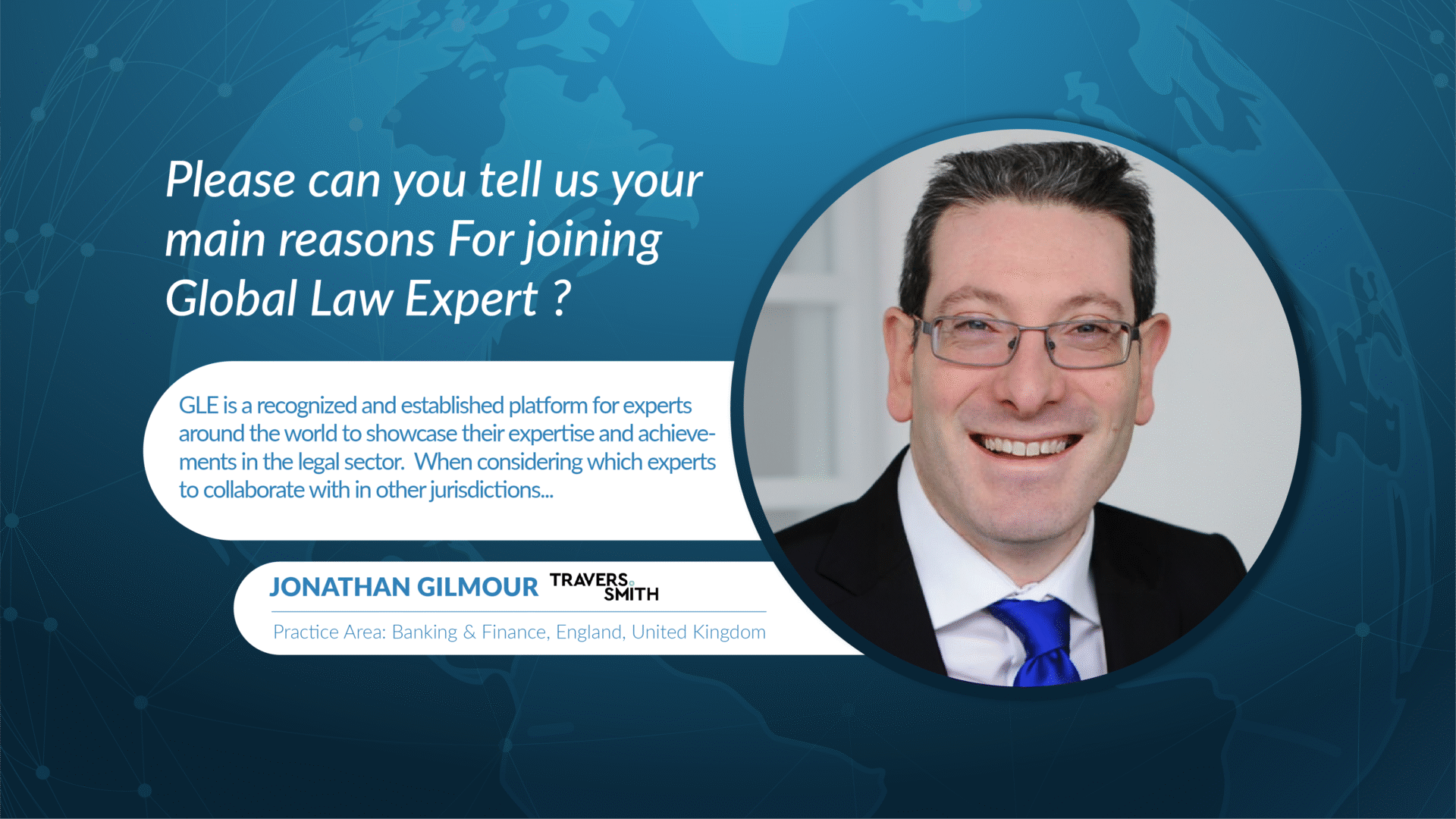
Testimonial-by-Jonathan-Gilmour.png
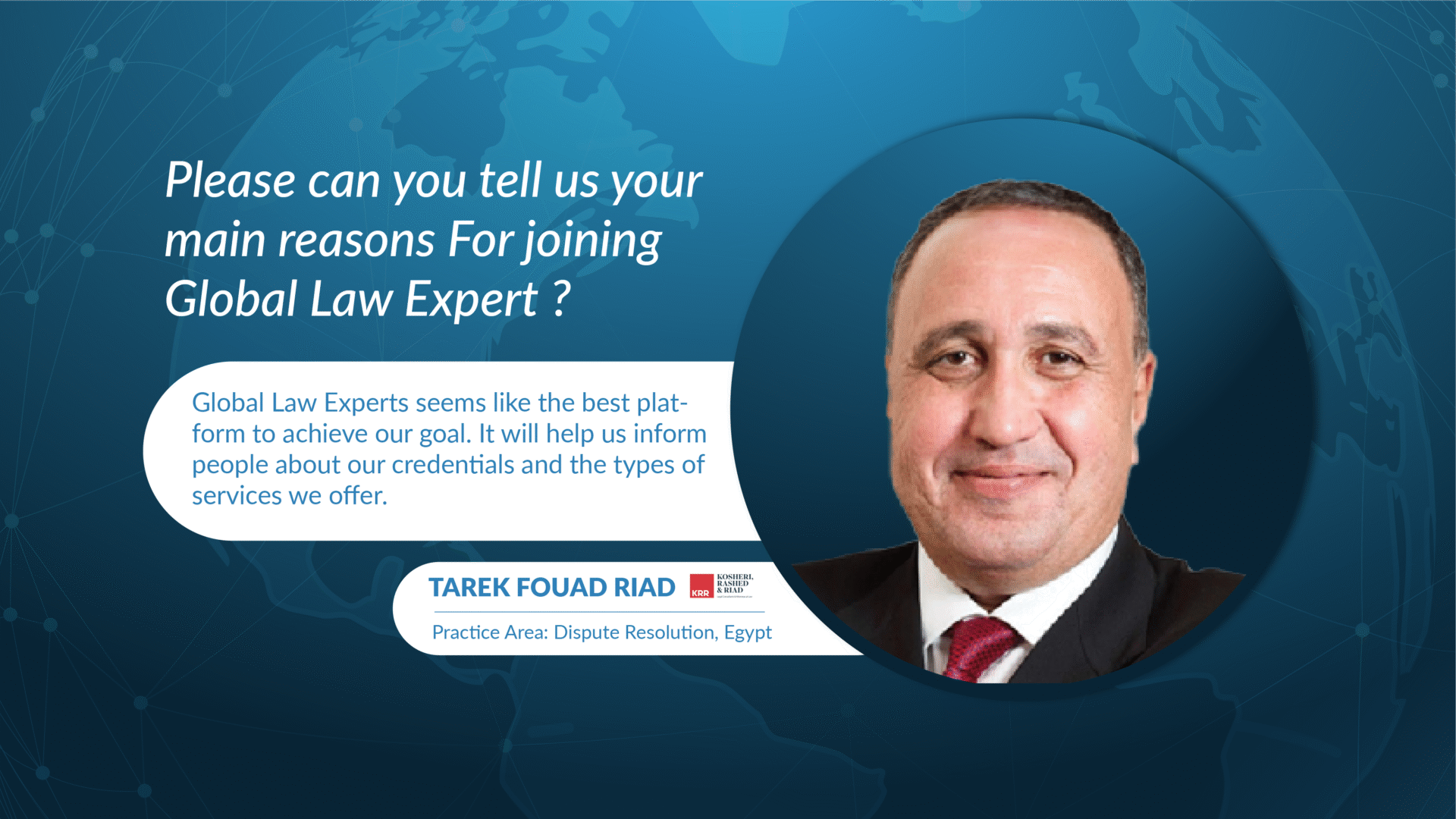
Testimonial-by-Tarek-Fouad-Riad.png
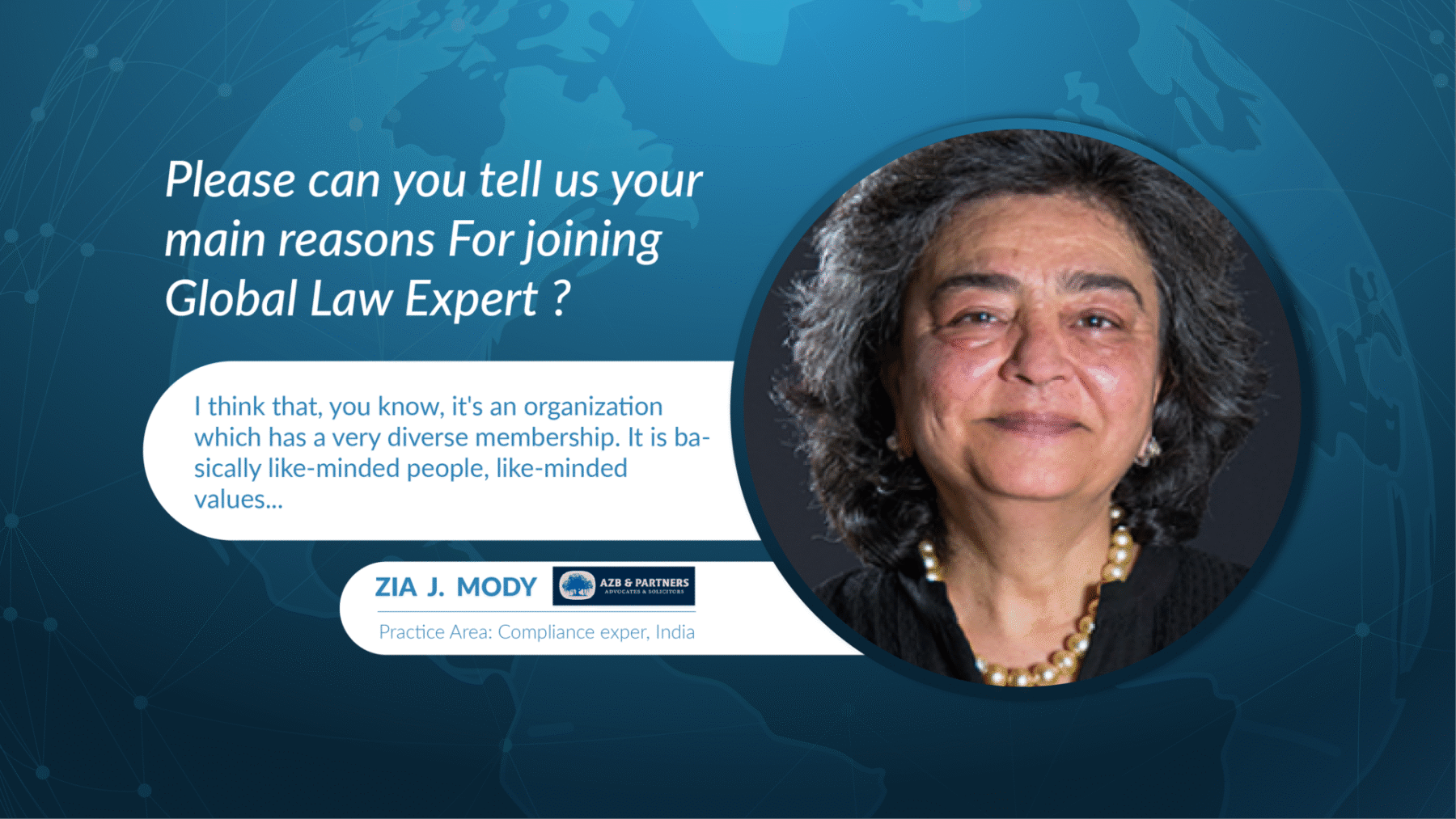
Testimonial-by-Zia-J.-Mody.png
Testimonial-by-Virginie-Tassin-Campanella.png
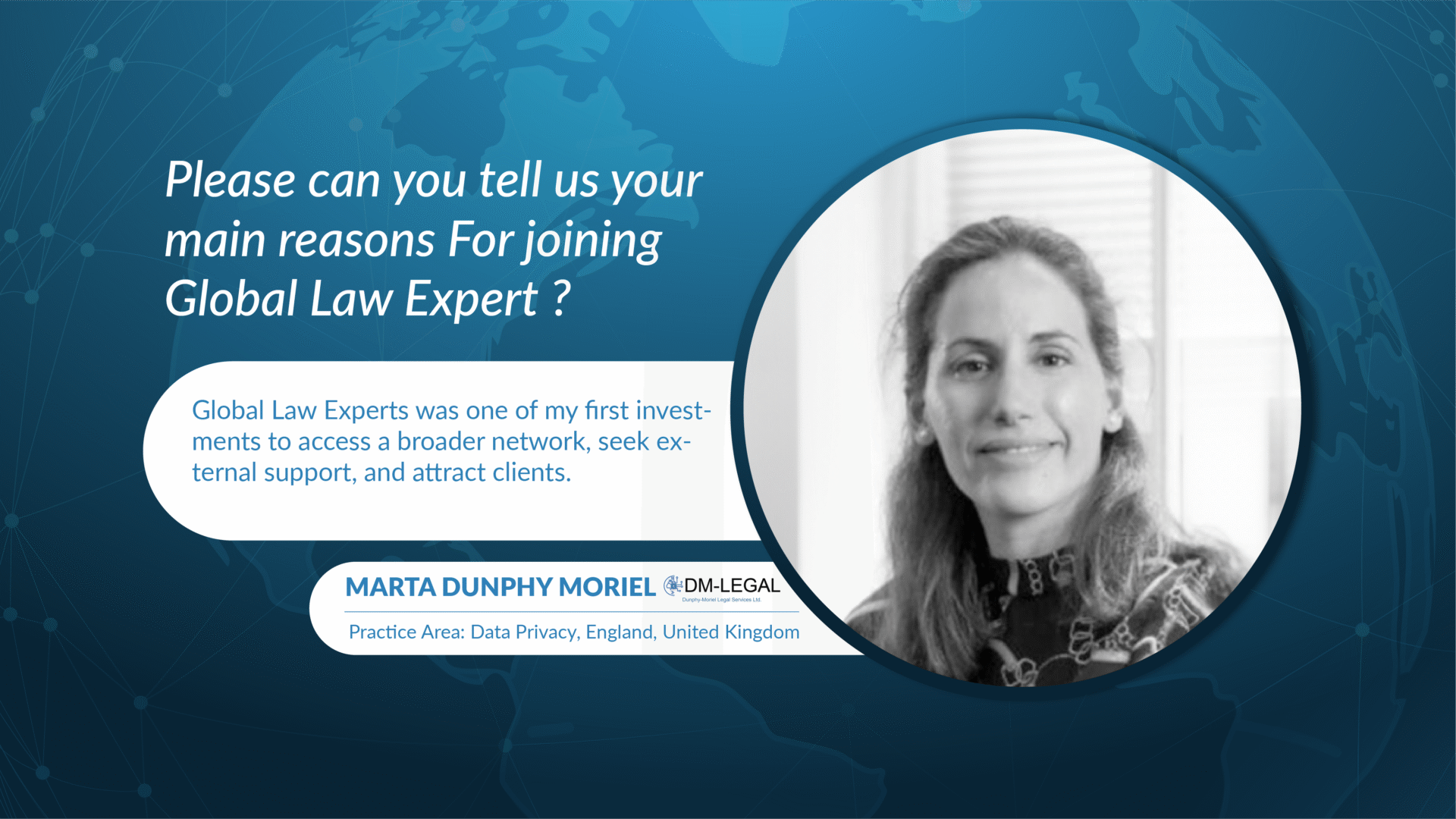
Testimonial-by-Marta-Dunphy-Moriel.png
Testimonial-by-Mario-Alberto-Arias-V.png
Testimonial-by-Lewis-Man.png
Testimonial-by-Kerwin-K.-Tan.png
Testimonial-by-Elena-Sadovskaya.png
Testimonial-by-Charalambos-Papasavvas.png

Audit & Assurance FAQ's

Auditors need defense lawyers because they are frequent targets of high-stakes litigation when a company fails. If an auditor signs off on financial statements and the company later goes bankrupt or reveals a massive fraud, investors and creditors often sue the auditor to recoup their losses (a “deep pocket” strategy). A lawyer defends the firm against these civil lawsuits, as well as against enforcement actions by powerful regulators like the SEC or PCAOB that can strip the firm of its license to practice.

A lawyer acts as a buffer between the auditor and the regulator to prevent the auditor from accidentally incriminating themselves. During an investigation by the SEC or PCAOB, a lawyer prepares the auditor for grueling testimony (depositions), manages the production of millions of documents to ensure “privilege” isn’t waived, and drafts a “Wells Submission”—a formal legal argument attempting to persuade regulators not to bring charges before a final decision is made.

Auditor liability is the legal responsibility an auditor holds for errors or negligence in their work. It extends primarily to the client (the company that hired them) for breach of contract, but also to third parties who relied on the audit, such as banks lending money or shareholders buying stock. The scope of this third-party liability varies by state; some states restrict it only to people the auditor knew would use the report (Privity), while others extend it to any “reasonably foreseeable” user.

Yes, this is the core of an auditor defense practice. A lawyer defends against negligence (malpractice) by proving that the auditor followed Generally Accepted Auditing Standards (GAAS). They argue that an audit is a reasonable sample, not a guarantee against all fraud, and often use the “audit interference” defense—arguing that the client’s own management hid data or lied, making it impossible for the auditor to find the error regardless of their skill.


When a whistleblower alleges accounting fraud, the company’s Audit Committee often hires its own “independent counsel” to investigate the claim, rather than using the company’s regular lawyers. This independent lawyer hires forensic accountants to dig through the books and interviews executives to find the truth. Their goal is to provide an unbiased report to the Board and regulators, ensuring the investigation is viewed as credible and not a “whitewash” by management.

If an auditor is found to lack “independence”—for example, if they own stock in the client, have a close relative in a management role, or provide prohibited consulting services—the entire audit is deemed invalid. The legal consequences are severe: the SEC can force the client to re-state years of financial earnings (causing stock prices to crash) and can ban the accounting firm from auditing public companies entirely, effectively destroying their business.

Yes, immediately. A subpoena for client records puts you in a dangerous position between your duty of confidentiality to the client and your duty to comply with the law. A lawyer ensures you do not hand over privileged documents (like attorney-client communications the client shared with you) which could lead to you being sued by the client. They also negotiate the “scope” of the subpoena to prevent you from having to spend thousands of unbillable hours searching for irrelevant emails.

The Sarbanes-Oxley Act (SOX) dramatically increased the legal peril for auditors by creating the PCAOB (Public Company Accounting Oversight Board), a regulator with aggressive inspection and disciplinary powers. It made it a federal crime to destroy audit work papers (punishable by up to 20 years in prison) and strictly prohibited auditors from offering profitable non-audit services (like legal or HR consulting) to their audit clients. This creates a “strict liability” environment where a simple conflict of interest can lead to massive regulatory fines.

Audit & Assurance FAQ's

Auditors need defense lawyers because they are frequent targets of high-stakes litigation when a company fails. If an auditor signs off on financial statements and the company later goes bankrupt or reveals a massive fraud, investors and creditors often sue the auditor to recoup their losses (a "deep pocket" strategy). A lawyer defends the firm against these civil lawsuits, as well as against enforcement actions by powerful regulators like the SEC or PCAOB that can strip the firm of its license to practice.

A lawyer acts as a buffer between the auditor and the regulator to prevent the auditor from accidentally incriminating themselves. During an investigation by the SEC or PCAOB, a lawyer prepares the auditor for grueling testimony (depositions), manages the production of millions of documents to ensure "privilege" isn't waived, and drafts a "Wells Submission"—a formal legal argument attempting to persuade regulators not to bring charges before a final decision is made.

Auditor liability is the legal responsibility an auditor holds for errors or negligence in their work. It extends primarily to the client (the company that hired them) for breach of contract, but also to third parties who relied on the audit, such as banks lending money or shareholders buying stock. The scope of this third-party liability varies by state; some states restrict it only to people the auditor knew would use the report (Privity), while others extend it to any "reasonably foreseeable" user.

Yes, this is the core of an auditor defense practice. A lawyer defends against negligence (malpractice) by proving that the auditor followed Generally Accepted Auditing Standards (GAAS). They argue that an audit is a reasonable sample, not a guarantee against all fraud, and often use the "audit interference" defense—arguing that the client's own management hid data or lied, making it impossible for the auditor to find the error regardless of their skill.

When a whistleblower alleges accounting fraud, the company's Audit Committee often hires its own "independent counsel" to investigate the claim, rather than using the company's regular lawyers. This independent lawyer hires forensic accountants to dig through the books and interviews executives to find the truth. Their goal is to provide an unbiased report to the Board and regulators, ensuring the investigation is viewed as credible and not a "whitewash" by management.

If an auditor is found to lack "independence"—for example, if they own stock in the client, have a close relative in a management role, or provide prohibited consulting services—the entire audit is deemed invalid. The legal consequences are severe: the SEC can force the client to re-state years of financial earnings (causing stock prices to crash) and can ban the accounting firm from auditing public companies entirely, effectively destroying their business.

Yes, immediately. A subpoena for client records puts you in a dangerous position between your duty of confidentiality to the client and your duty to comply with the law. A lawyer ensures you do not hand over privileged documents (like attorney-client communications the client shared with you) which could lead to you being sued by the client. They also negotiate the "scope" of the subpoena to prevent you from having to spend thousands of unbillable hours searching for irrelevant emails.

The Sarbanes-Oxley Act (SOX) dramatically increased the legal peril for auditors by creating the PCAOB (Public Company Accounting Oversight Board), a regulator with aggressive inspection and disciplinary powers. It made it a federal crime to destroy audit work papers (punishable by up to 20 years in prison) and strictly prohibited auditors from offering profitable non-audit services (like legal or HR consulting) to their audit clients. This creates a "strict liability" environment where a simple conflict of interest can lead to massive regulatory fines.

Join
who are already getting the benefits
0
Sign up for the latest legal briefings and news within Global Law Experts’ community, as well as a whole host of features, editorial and conference updates direct to your email inbox. Naturally you can unsubscribe at any time.
Newsletter Sign Up
About Us

Global Law Experts is dedicated to providing exceptional legal services to clients around the world. With a vast network of highly skilled and experienced lawyers, we are committed to delivering innovative and tailored solutions to meet the diverse needs of our clients in various jurisdictions.

Global Law Experts App

Now Available on the App & Google Play Stores.

Social Posts
[wp_social_ninja id="50714" platform="instagram"]

See More:

Contact Us

Stay Informed

Join Mailing List
About Us

Global Law Experts is dedicated to providing exceptional legal services to clients around the world. With a vast network of highly skilled and experienced lawyers, we are committed to delivering innovative and tailored solutions to meet the diverse needs of our clients in various jurisdictions.

Social Posts
[wp_social_ninja id="50714" platform="instagram"]

See More:

Global Law Experts App

Now Available on the App & Google Play Stores.

Contact Us

Stay Informed

Join Mailing List

GLE

Maksat Sahedov

Maksat Sahedov

Send welcome message

Custom Message