[codicts-css-switcher id=”346″]

Global Law Experts Logo

Asset Management Lawyers Worldwide.

Global Law Experts

Meet Our Asset Management Lawyers

Discover independent Asset Management lawyers worldwide with Global Law Experts. Connect with award-winning legal experts for your needs.

Legal
Country
Asset Management
Legal
Country
Asset Management
2 results

Martin Hermanns-Couturier

  • GOLD

Email:

Phone:

+35227*****
  • GOLD

Martin Hermanns-Couturier

  • GOLD
Asset Management Law in Luxembourg
  • GOLD

Sandro Mägerli

  • GOLD

Email:

Phone:

+41443*****
Smiling attorney wearing a blue suit, standing with arms crossed against a neutral background.
Logo featuring the text "N'astra" in white against a black background, no legal elements visible.
Smiling attorney wearing a blue suit, standing with arms crossed against a neutral background.

Sandro Mägerli

  • GOLD

Sandro Mägerli

  • GOLD
Asset Management Law in Switzerland
  • Nastra Attorneys At Law Ltd.
  • GOLD

Asset Management News

Find Expert Asset Management Lawyers Through Global Law Experts

Maximize Value with Expert Asset Management Legal Counsel

Effective asset management requires strategic legal guidance to navigate investment structures, regulatory compliance, fiduciary duties, and risk mitigation. Whether you’re managing portfolios, funds, or institutional assets, expert counsel helps protect your interests and support growth.

Global Law Experts connects you with experienced asset management lawyers who provide tailored, practical advice. Our vetted specialists assist with regulatory compliance, investment contracts, fund formation, and dispute resolution, ensuring your strategies are legally sound and your assets are well protected.

Professional Asset Management Help You Can Trust

We will help match you with a qualified Asset Management law specialist who can offer reliable advice, clarify your options, and guide you through the next steps in the legal process.
Main Lead Capture Form - Home

Every GLE member is independently vetted by practice area and jurisdiction.

Client Success Stories

Testimonial-by-Jonathan-Gilmour.png
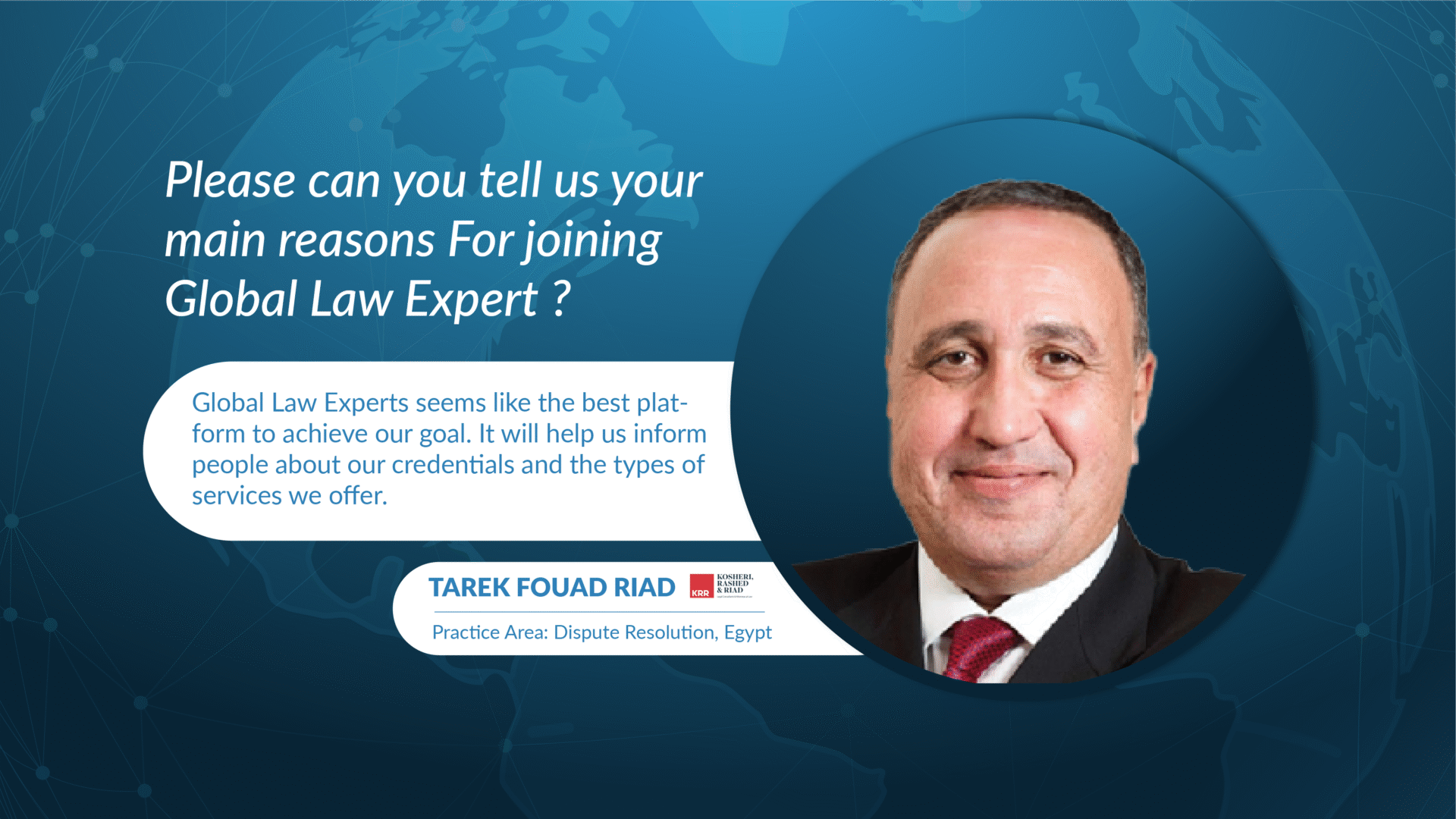
Testimonial-by-Tarek-Fouad-Riad.png
Testimonial-by-Zia-J.-Mody.png
Testimonial-by-Virginie-Tassin-Campanella.png
Testimonial-by-Marta-Dunphy-Moriel.png
Testimonial-by-Mario-Alberto-Arias-V.png
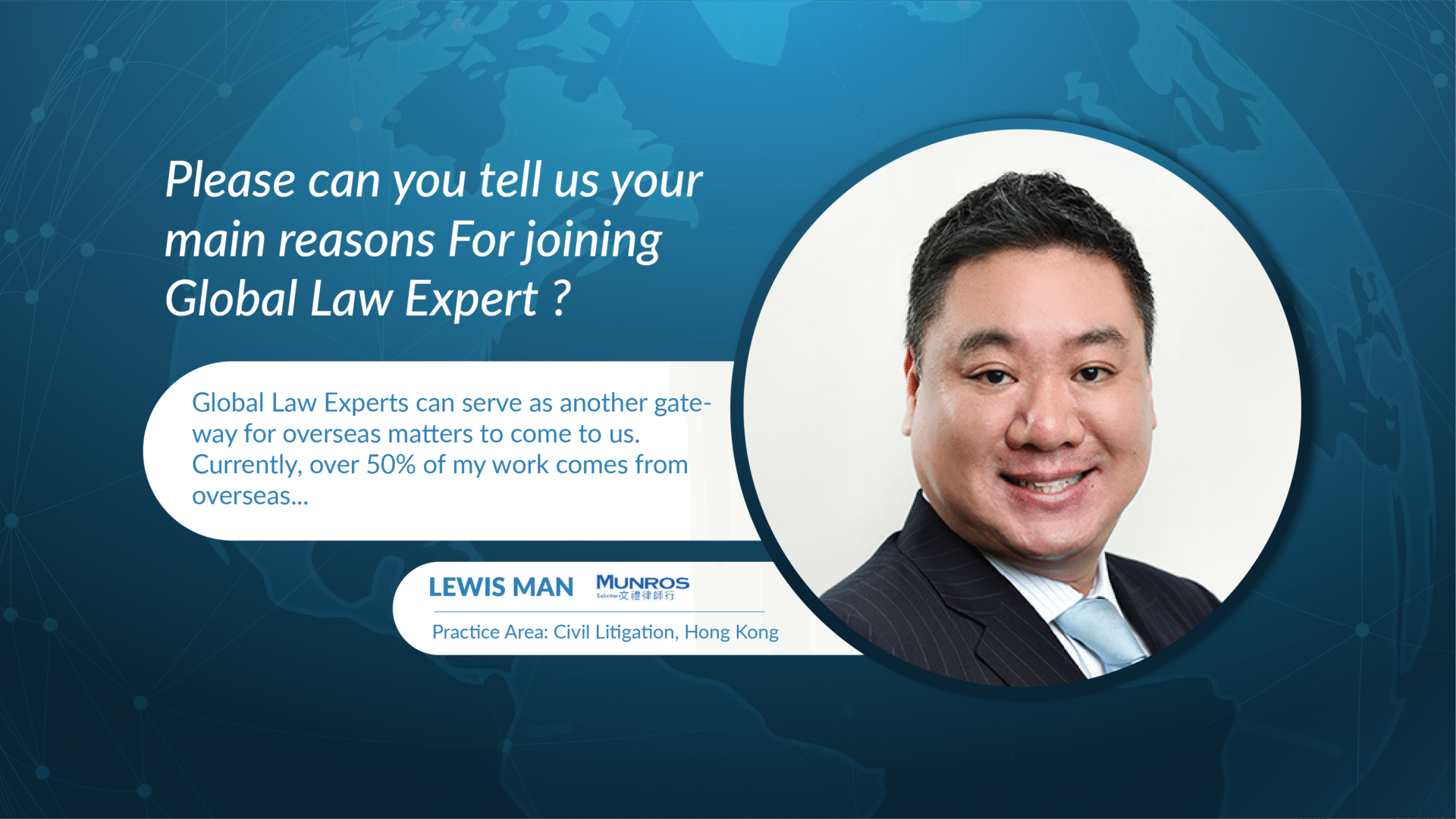
Testimonial-by-Lewis-Man.png
Testimonial-by-Kerwin-K.-Tan.png
Testimonial-by-Elena-Sadovskaya.png
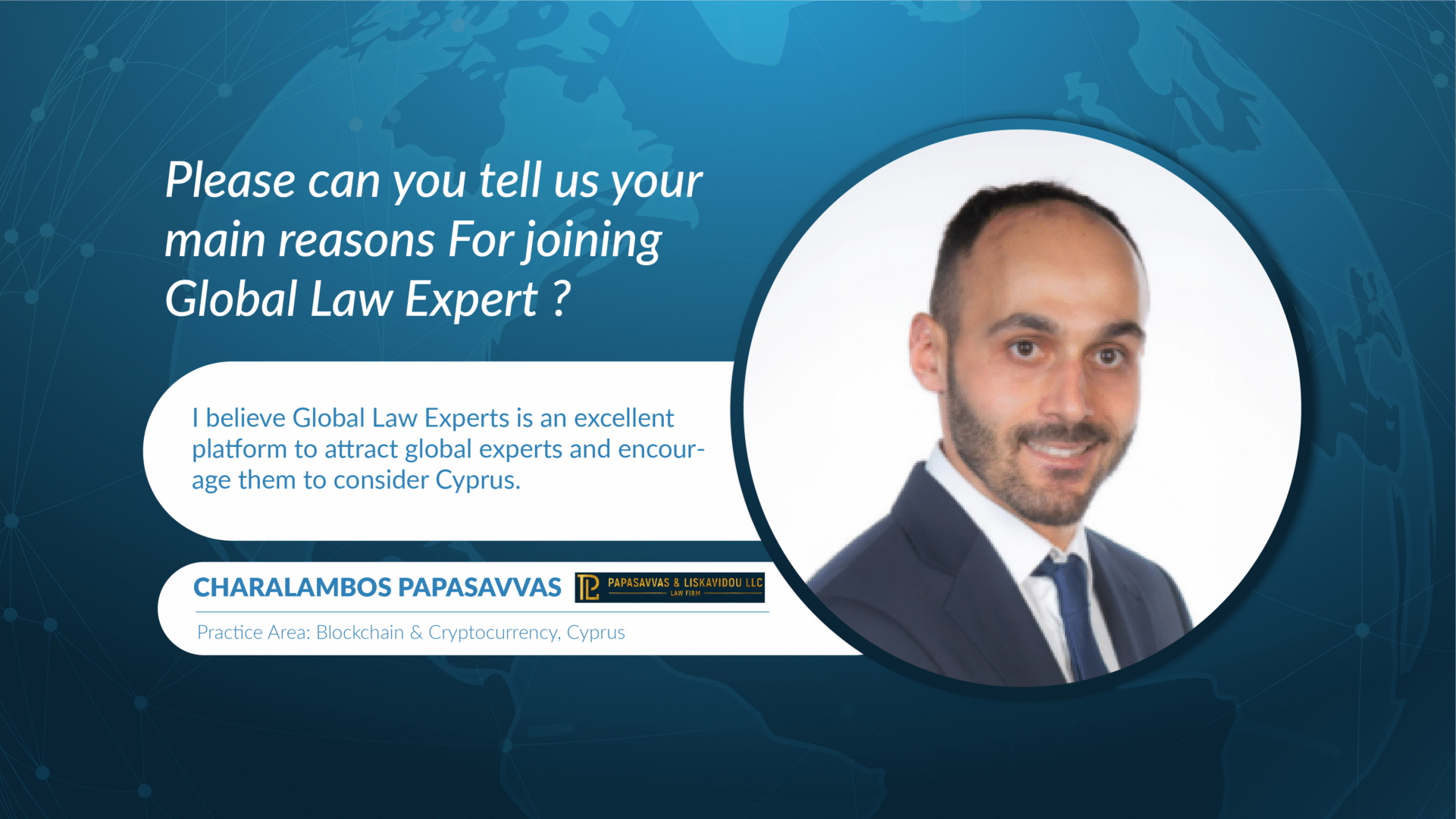
Testimonial-by-Charalambos-Papasavvas.png

Asset Management FAQ's

An Asset Management lawyer acts as the “architect” and “guardian” of investment funds, handling the entire lifecycle from launch to liquidation. Their primary role involves fund formation—drafting the complex legal documents (like the Private Placement Memorandum and Limited Partnership Agreement) that define how the fund operates and how profits are shared. Beyond the paperwork, they act as strategic negotiators between the fund managers and wealthy investors, ensuring the fund complies with global regulations while maximizing tax efficiency and commercial flexibility.

A lawyer determines the optimal “tax-efficient” structure for your fund to prevent investors from facing double taxation. This often involves setting up “Master-Feeder” structures, where U.S. investors put money into a Delaware feeder fund and international investors put money into a Cayman or Luxembourg feeder, with both “feeding” into a single master fund where the trading happens. They also advise on whether to use a Limited Partnership (LP) or Limited Liability Company (LLC) structure to best protect the managers from personal liability.

Yes, because registration is a rigorous legal process with strict thresholds. In the U.S., generally, once you manage over $100 million in regulatory assets (or $150 million for private equity), you must register with the SEC; if you are under that amount, you may need to file as an “Exempt Reporting Adviser” (ERA) or register with individual states. A lawyer handles the filing of Form ADV (a massive disclosure document) and designs your compliance manual to ensure you don’t accidentally violate the Investment Advisers Act.

An asset manager is a “fiduciary,” meaning they are held to the highest standard of trust and must act solely in the best interest of their clients. This includes the Duty of Loyalty (you cannot prioritize your own profit over the client’s, such as by “front-running” trades) and the Duty of Care (you must make investment decisions with prudence and due diligence). A lawyer helps you navigate “conflicts of interest”—like buying assets from another fund you manage—by ensuring they are fully disclosed and approved by an advisory board.

Side letters are private, customized contracts that grant special privileges to large “anchor” investors—such as reduced management fees or better information rights—that other investors don’t get. A lawyer negotiates these letters to ensure they don’t violate the fund’s main constitutional documents or disadvantage other limited partners. Crucially, they manage the “Most Favored Nation” (MFN) process, where other investors are legally entitled to see and “opt-in” to these special benefits if they meet certain criteria.

Absolutely. Marketing a fund internationally is a regulatory minefield; you cannot simply email a pitch deck to a potential investor in Europe or Asia without violating local laws. A lawyer guides you through the European AIFMD rules, helping you secure a “marketing passport” or use “National Private Placement Regimes” (NPPR) to legally solicit investors. They also advise on the strict limits of “reverse solicitation” to ensure you don’t get banned from a country for illegal marketing.

The difference lies in control versus liability. The General Partner (GP) manages the fund, makes all investment decisions, and legally bears unlimited liability for the fund’s debts (though lawyers often structure the GP as a limited liability entity to mitigate this). The Limited Partners (LPs) are passive investors who provide the capital; they have no say in the day-to-day management, but in exchange, their liability is limited strictly to the amount of money they invested.

Disputes often arise when investors believe the manager is calculating fees on an inflated “Net Asset Value” (NAV) of hard-to-value assets like private real estate or startups. A lawyer analyzes the valuation methodology defined in the fund documents to determine if a breach of contract occurred. If the manager was overpaid, the lawyer enforces “clawback” provisions, which are legal clauses requiring the manager to return excess fees or profits to the investors to correct the error.

Asset Management FAQ's

An Asset Management lawyer acts as the "architect" and "guardian" of investment funds, handling the entire lifecycle from launch to liquidation. Their primary role involves fund formation—drafting the complex legal documents (like the Private Placement Memorandum and Limited Partnership Agreement) that define how the fund operates and how profits are shared. Beyond the paperwork, they act as strategic negotiators between the fund managers and wealthy investors, ensuring the fund complies with global regulations while maximizing tax efficiency and commercial flexibility.

A lawyer determines the optimal "tax-efficient" structure for your fund to prevent investors from facing double taxation. This often involves setting up "Master-Feeder" structures, where U.S. investors put money into a Delaware feeder fund and international investors put money into a Cayman or Luxembourg feeder, with both "feeding" into a single master fund where the trading happens. They also advise on whether to use a Limited Partnership (LP) or Limited Liability Company (LLC) structure to best protect the managers from personal liability.

Yes, because registration is a rigorous legal process with strict thresholds. In the U.S., generally, once you manage over $100 million in regulatory assets (or $150 million for private equity), you must register with the SEC; if you are under that amount, you may need to file as an "Exempt Reporting Adviser" (ERA) or register with individual states. A lawyer handles the filing of Form ADV (a massive disclosure document) and designs your compliance manual to ensure you don't accidentally violate the Investment Advisers Act.

An asset manager is a "fiduciary," meaning they are held to the highest standard of trust and must act solely in the best interest of their clients. This includes the Duty of Loyalty (you cannot prioritize your own profit over the client's, such as by "front-running" trades) and the Duty of Care (you must make investment decisions with prudence and due diligence). A lawyer helps you navigate "conflicts of interest"—like buying assets from another fund you manage—by ensuring they are fully disclosed and approved by an advisory board.

Side letters are private, customized contracts that grant special privileges to large "anchor" investors—such as reduced management fees or better information rights—that other investors don't get. A lawyer negotiates these letters to ensure they don't violate the fund's main constitutional documents or disadvantage other limited partners. Crucially, they manage the "Most Favored Nation" (MFN) process, where other investors are legally entitled to see and "opt-in" to these special benefits if they meet certain criteria.

Absolutely. Marketing a fund internationally is a regulatory minefield; you cannot simply email a pitch deck to a potential investor in Europe or Asia without violating local laws. A lawyer guides you through the European AIFMD rules, helping you secure a "marketing passport" or use "National Private Placement Regimes" (NPPR) to legally solicit investors. They also advise on the strict limits of "reverse solicitation" to ensure you don't get banned from a country for illegal marketing.

The difference lies in control versus liability. The General Partner (GP) manages the fund, makes all investment decisions, and legally bears unlimited liability for the fund's debts (though lawyers often structure the GP as a limited liability entity to mitigate this). The Limited Partners (LPs) are passive investors who provide the capital; they have no say in the day-to-day management, but in exchange, their liability is limited strictly to the amount of money they invested.

Disputes often arise when investors believe the manager is calculating fees on an inflated "Net Asset Value" (NAV) of hard-to-value assets like private real estate or startups. A lawyer analyzes the valuation methodology defined in the fund documents to determine if a breach of contract occurred. If the manager was overpaid, the lawyer enforces "clawback" provisions, which are legal clauses requiring the manager to return excess fees or profits to the investors to correct the error.

Join
who are already getting the benefits
0
Sign up for the latest legal briefings and news within Global Law Experts’ community, as well as a whole host of features, editorial and conference updates direct to your email inbox. Naturally you can unsubscribe at any time.
Newsletter Sign Up
About Us

Global Law Experts is dedicated to providing exceptional legal services to clients around the world. With a vast network of highly skilled and experienced lawyers, we are committed to delivering innovative and tailored solutions to meet the diverse needs of our clients in various jurisdictions.

Global Law Experts App

Now Available on the App & Google Play Stores.

Social Posts
[wp_social_ninja id="50714" platform="instagram"]

See More:

Contact Us

Stay Informed

Join Mailing List
About Us

Global Law Experts is dedicated to providing exceptional legal services to clients around the world. With a vast network of highly skilled and experienced lawyers, we are committed to delivering innovative and tailored solutions to meet the diverse needs of our clients in various jurisdictions.

Social Posts
[wp_social_ninja id="50714" platform="instagram"]

See More:

Global Law Experts App

Now Available on the App & Google Play Stores.

Contact Us

Stay Informed

Join Mailing List

GLE

Lawyer Profile Page - Lead Capture
GLE-Logo-White
Lawyer Profile Page - Lead Capture
Smiling attorney wearing a blue suit, standing with arms crossed against a neutral background.

Sandro Mägerli

Send welcome message

Custom Message