[codicts-css-switcher id=”346″]

Global Law Experts Logo

Art Lawyers Worldwide.

Global Law Experts

Meet Our Art Lawyers

Discover award-winning Art legal experts worldwide with Global Law Experts. Connect with independent lawyers for your Art law needs.

Legal
Country
Art
Legal
Country
Art
2 results

Find Expert Art Lawyers Through Global Law Experts

Protect Creativity with Expert Art Law Counsel

The art world involves unique legal challenges—from acquisitions and sales to copyright, authenticity disputes, and cultural property issues. Whether you’re an artist, collector, gallery, or institution, expert legal guidance is essential to protect your interests and manage risk.

Global Law Experts connects you with experienced art law lawyers who provide strategic, tailored counsel. Our vetted specialists help with contracts, intellectual property rights, provenance issues, disputes, and compliance with national and international art regulations, ensuring your creative assets are legally secure.

Professional Art Help You Can Trust

We will help match you with a qualified Art law specialist who can offer reliable advice, clarify your options, and guide you through the next steps in the legal process.
Main Lead Capture Form - Home

Every GLE member is independently vetted by practice area and jurisdiction.

Client Success Stories

Testimonial-by-Jonathan-Gilmour.png
Testimonial-by-Tarek-Fouad-Riad.png
Testimonial-by-Zia-J.-Mody.png
Testimonial-by-Virginie-Tassin-Campanella.png
Testimonial-by-Marta-Dunphy-Moriel.png
Testimonial-by-Mario-Alberto-Arias-V.png
Testimonial-by-Lewis-Man.png
Testimonial-by-Kerwin-K.-Tan.png
Testimonial-by-Elena-Sadovskaya.png
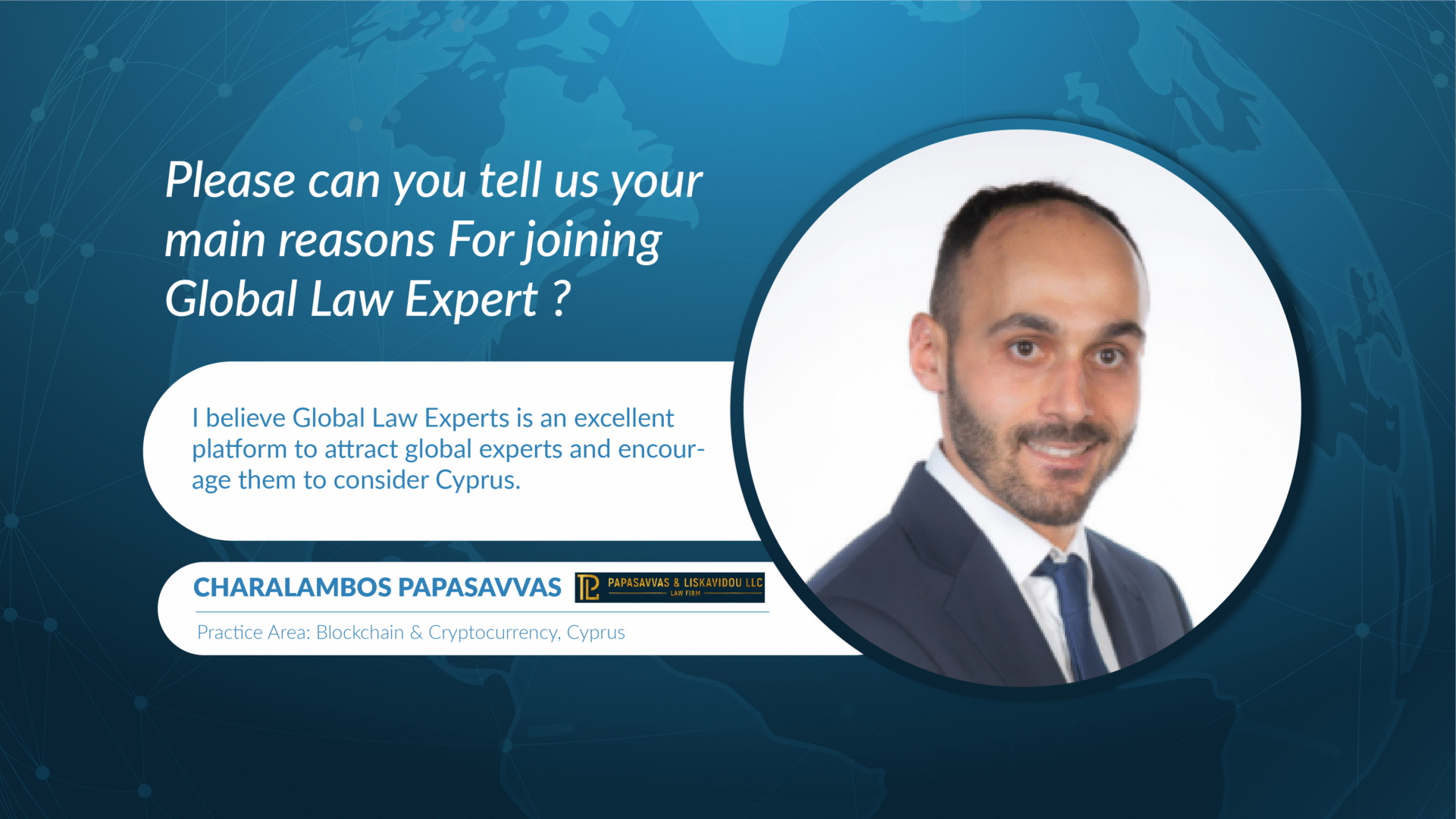
Testimonial-by-Charalambos-Papasavvas.png

Art FAQ's

An Art lawyer serves as a specialized advisor for artists, collectors, galleries, and museums, navigating the intersection of creative passion and hard commerce. Their work ranges from drafting consignment agreements and negotiating commission contracts to handling high-stakes litigation over authenticity and ownership. They also provide critical advice on “art finance” (using art as collateral for loans), import/export regulations for cultural property, and the complex tax strategies required when donating or inheriting valuable collections.

Provenance is the documented history of an artwork’s ownership, and a lawyer verifies it by conducting a forensic “title search” similar to real estate. They cross-reference the work against databases like the Art Loss Register to ensure it wasn’t stolen or looted, particularly during the Nazi era or from archaeological sites. They also scrutinize sales receipts, exhibition catalogs, and “catalogues raisonnés” to identify any suspicious gaps in ownership history that could render the artwork unsellable or subject to seizure by a foreign government.

Yes, especially for high-value transactions, because the auction house’s standard “Terms and Conditions” are heavily weighted to protect them, not you. A lawyer can negotiate a “Consignment Agreement” to secure a “guaranteed minimum price” for your sale or limit your liability if the art turns out to be fake later. for buyers, a lawyer reviews the fine print regarding “representations and warranties” to understand exactly what recourse you have (if any) if the condition or authenticity of the piece is not what was promised.

If you bought a fake, your primary recourse is a claim for “breach of warranty” or fraud, but the clock is ticking. Most auction houses and galleries have strict time limits—often just five years—during which you can return a work for a refund. A lawyer helps you navigate these “statutes of limitations” and can hire forensic art experts to scientifically prove the forgery (e.g., finding modern paint pigments in an “ancient” work) to force the seller to rescind the sale and return your money.

Restitution cases often involve nations or heirs seeking the return of cultural heritage looted during war or colonial occupation. A lawyer navigates complex international treaties like the UNESCO 1970 Convention and the Washington Principles on Nazi-Confiscated Art to negotiate the return of these items. These cases are rarely just legal battles; they are diplomatic negotiations where a lawyer often brokers a settlement that might involve returning the art, sharing ownership, or financial compensation for the current possessor.

Absolutely. While owning a painting is separate from owning the copyright to the image, many people confuse the two. A lawyer helps artists register their works to prevent unauthorized merchandise (like someone putting your painting on t-shirts without paying you). They also protect your “Moral Rights” (under laws like VARA in the U.S.), which allow an artist to prevent the destruction or mutilation of their work even after they have sold the physical piece to someone else.

Donating art can offer massive tax benefits, but only if structured correctly under the “Related Use Rule.” If you donate a painting to a museum that actually displays it (a “related use”), you can typically deduct the full Fair Market Value of the art. However, if the charity sells it or uses it for a non-related purpose, your deduction might be limited to just your original Cost Basis (what you paid for it). A lawyer ensures the “Deed of Gift” restricts how the museum can use the work to lock in your maximum tax break.

Art is an “illiquid asset” that can cause a tax nightmare for heirs who might be forced to sell the collection at a “fire sale” price just to pay the estate taxes (which can reach 40% in the U.S.). A lawyer helps you create an “Art Trust” or a tax-exempt private foundation to hold the collection, ensuring it stays together and is managed by experts. They also help establish a “stepped-up basis” for the art, potentially saving your heirs millions in capital gains taxes if they eventually decide to sell individual pieces.

Art FAQ's

An Art lawyer serves as a specialized advisor for artists, collectors, galleries, and museums, navigating the intersection of creative passion and hard commerce. Their work ranges from drafting consignment agreements and negotiating commission contracts to handling high-stakes litigation over authenticity and ownership. They also provide critical advice on "art finance" (using art as collateral for loans), import/export regulations for cultural property, and the complex tax strategies required when donating or inheriting valuable collections.

Provenance is the documented history of an artwork's ownership, and a lawyer verifies it by conducting a forensic "title search" similar to real estate. They cross-reference the work against databases like the Art Loss Register to ensure it wasn't stolen or looted, particularly during the Nazi era or from archaeological sites. They also scrutinize sales receipts, exhibition catalogs, and "catalogues raisonnés" to identify any suspicious gaps in ownership history that could render the artwork unsellable or subject to seizure by a foreign government.

Yes, especially for high-value transactions, because the auction house's standard "Terms and Conditions" are heavily weighted to protect them, not you. A lawyer can negotiate a "Consignment Agreement" to secure a "guaranteed minimum price" for your sale or limit your liability if the art turns out to be fake later. for buyers, a lawyer reviews the fine print regarding "representations and warranties" to understand exactly what recourse you have (if any) if the condition or authenticity of the piece is not what was promised.

If you bought a fake, your primary recourse is a claim for "breach of warranty" or fraud, but the clock is ticking. Most auction houses and galleries have strict time limits—often just five years—during which you can return a work for a refund. A lawyer helps you navigate these "statutes of limitations" and can hire forensic art experts to scientifically prove the forgery (e.g., finding modern paint pigments in an "ancient" work) to force the seller to rescind the sale and return your money.

Restitution cases often involve nations or heirs seeking the return of cultural heritage looted during war or colonial occupation. A lawyer navigates complex international treaties like the UNESCO 1970 Convention and the Washington Principles on Nazi-Confiscated Art to negotiate the return of these items. These cases are rarely just legal battles; they are diplomatic negotiations where a lawyer often brokers a settlement that might involve returning the art, sharing ownership, or financial compensation for the current possessor.

Absolutely. While owning a painting is separate from owning the copyright to the image, many people confuse the two. A lawyer helps artists register their works to prevent unauthorized merchandise (like someone putting your painting on t-shirts without paying you). They also protect your "Moral Rights" (under laws like VARA in the U.S.), which allow an artist to prevent the destruction or mutilation of their work even after they have sold the physical piece to someone else.

Donating art can offer massive tax benefits, but only if structured correctly under the "Related Use Rule." If you donate a painting to a museum that actually displays it (a "related use"), you can typically deduct the full Fair Market Value of the art. However, if the charity sells it or uses it for a non-related purpose, your deduction might be limited to just your original Cost Basis (what you paid for it). A lawyer ensures the "Deed of Gift" restricts how the museum can use the work to lock in your maximum tax break.

Art is an "illiquid asset" that can cause a tax nightmare for heirs who might be forced to sell the collection at a "fire sale" price just to pay the estate taxes (which can reach 40% in the U.S.). A lawyer helps you create an "Art Trust" or a tax-exempt private foundation to hold the collection, ensuring it stays together and is managed by experts. They also help establish a "stepped-up basis" for the art, potentially saving your heirs millions in capital gains taxes if they eventually decide to sell individual pieces.

Join
who are already getting the benefits
0
Sign up for the latest legal briefings and news within Global Law Experts’ community, as well as a whole host of features, editorial and conference updates direct to your email inbox. Naturally you can unsubscribe at any time.
Newsletter Sign Up
About Us

Global Law Experts is dedicated to providing exceptional legal services to clients around the world. With a vast network of highly skilled and experienced lawyers, we are committed to delivering innovative and tailored solutions to meet the diverse needs of our clients in various jurisdictions.

Global Law Experts App

Now Available on the App & Google Play Stores.

Social Posts
[wp_social_ninja id="50714" platform="instagram"]

See More:

Contact Us

Stay Informed

Join Mailing List
About Us

Global Law Experts is dedicated to providing exceptional legal services to clients around the world. With a vast network of highly skilled and experienced lawyers, we are committed to delivering innovative and tailored solutions to meet the diverse needs of our clients in various jurisdictions.

Social Posts
[wp_social_ninja id="50714" platform="instagram"]

See More:

Global Law Experts App

Now Available on the App & Google Play Stores.

Contact Us

Stay Informed

Join Mailing List

GLE

Lawyer Profile Page - Lead Capture
GLE-Logo-White
Lawyer Profile Page - Lead Capture
Yasmin Mahmoudi

Yasmin Mahmoudi

Send welcome message

Custom Message