[codicts-css-switcher id=”346″]

Global Law Experts Logo

Anti-Counterfeiting Lawyers Worldwide.

Global Law Experts

Meet Our Anti-Counterfeiting Lawyers

Discover top Anti-Counterfeiting lawyers in our trusted legal directory. Connect with independent experts recognized by Global Law Experts.

Legal
Country
Anti-Counterfeiting
Legal
Country
Anti-Counterfeiting
2 results

Stavroula Politi

  • GOLD

Email:

Phone:

+30 21*****
Legal professional with blonde hair and glasses, posing in a neutral setting, likely representing a law firm.
Law firm logo displaying "Dr. Helen G. Papaconstantinou & Partners" in a modern design.
Legal professional with blonde hair and glasses, posing in a neutral setting, likely representing a law firm.

Stavroula Politi

  • GOLD

Stavroula Politi

  • GOLD
Anti-Counterfeiting Law in Greece
  • Dr. Helen G. Papaconstantinou & partners law firm
  • GOLD

Massimo Baghetti

  • GOLD

Email:

Phone:

+39 01*****
Massimo Baghetti
Jacobacci & Associati
Massimo Baghetti
Massimo Baghetti

Massimo Baghetti

  • GOLD

Massimo Baghetti

  • GOLD
Anti-Counterfeiting Law in Italy
  • Jacobacci & Associati

Anti-Counterfeiting News

Find Expert Anti-Counterfeiting Lawyers Through Global Law Experts

Safeguard Your Brand with Expert Anti-Counterfeiting Legal Counsel

Counterfeiting threatens revenue, brand integrity, and customer trust. Whether combating fake products, protecting trademarks, or enforcing intellectual property rights across jurisdictions, strategic legal guidance is essential.

Global Law Experts connects you with experienced anti-counterfeiting lawyers who provide tailored counsel to prevent, detect, and litigate against counterfeit activity. Our vetted specialists help you enforce your rights, coordinate cross-border enforcement actions, and implement proactive strategies to protect your brand.

Professional Anti-Counterfeiting Help You Can Trust

We will help match you with a qualified Anti-Counterfeiting law specialist who can offer reliable advice, clarify your options, and guide you through the next steps in the legal process.
Main Lead Capture Form - Home

Every GLE member is independently vetted by practice area and jurisdiction.

Client Success Stories

Testimonial-by-Jonathan-Gilmour.png
Testimonial-by-Tarek-Fouad-Riad.png
Testimonial-by-Zia-J.-Mody.png
Testimonial-by-Virginie-Tassin-Campanella.png
Testimonial-by-Marta-Dunphy-Moriel.png
Testimonial-by-Mario-Alberto-Arias-V.png
Testimonial-by-Lewis-Man.png
Testimonial-by-Kerwin-K.-Tan.png
Testimonial-by-Elena-Sadovskaya.png
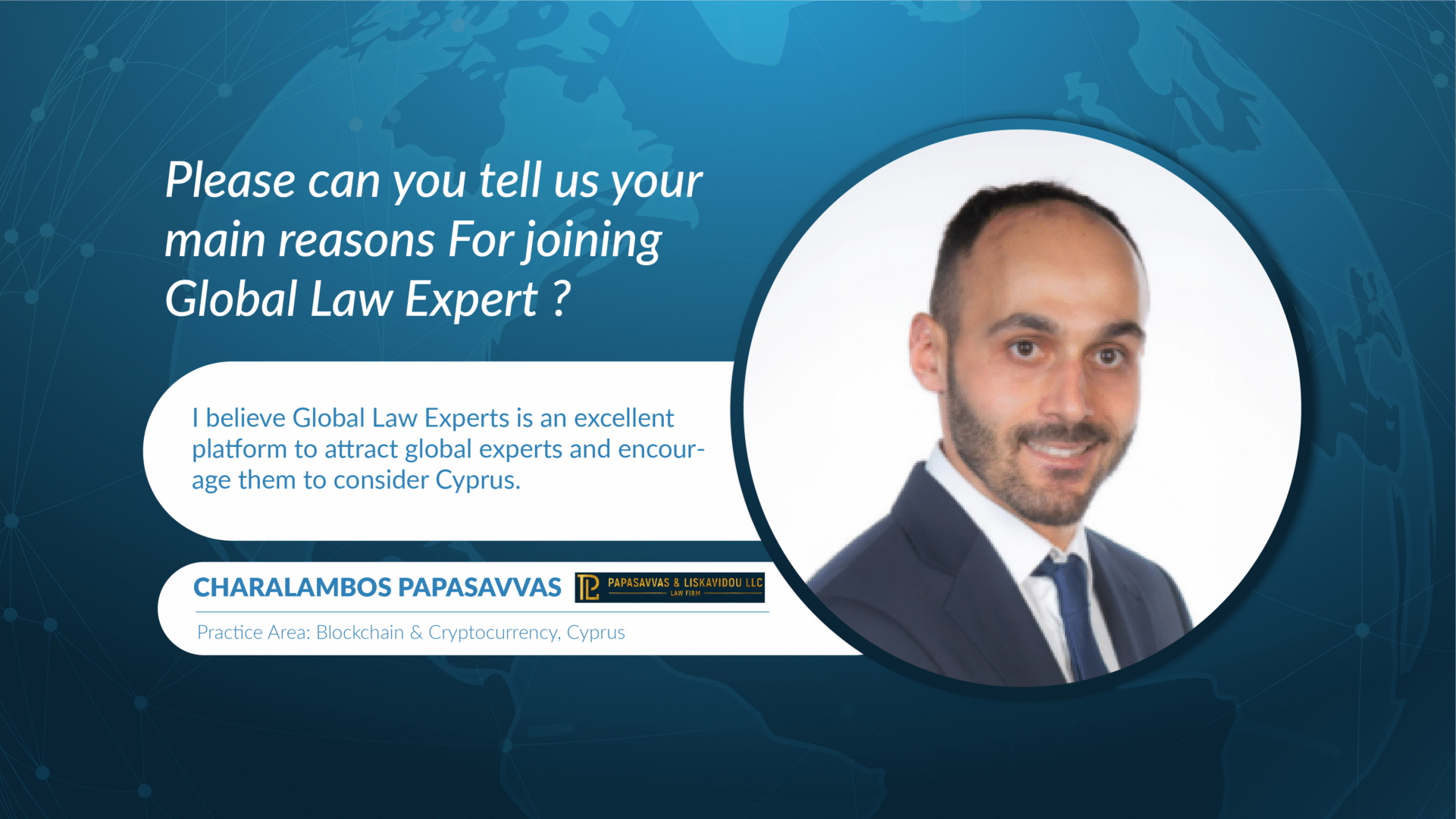
Testimonial-by-Charalambos-Papasavvas.png

Anti-Counterfeiting FAQ's

An Anti-Counterfeiting lawyer takes proactive and aggressive steps to stop unauthorized copies of your product from reaching the market. They register your trademarks with customs authorities to block fake goods at the border and coordinate with private investigators to track down the factories or warehouses producing them. When fakes do appear, they send Cease and Desist letters, file lawsuits to freeze the counterfeiters’ assets, and manage “takedown” procedures on e-commerce sites to keep your digital marketplace clean.

You can legally force these websites to remove the products through a process known as “Notice and Takedown.” Your lawyer will file specific complaints under the Digital Millennium Copyright Act (DMCA) or platform-specific tools like Amazon Brand Registry to de-list the items immediately. If the problem is widespread, you can file a federal lawsuit to obtain a Temporary Restraining Order (TRO) that not only shuts down the scam websites but can also freeze their PayPal or bank accounts to seize their illegal earnings.

Yes, but only if you have properly recorded your trademark with the customs agency first. A lawyer files the necessary “recordation” documents with agencies like U.S. Customs and Border Protection (CBP) or the UK Border Force, essentially training officers to recognize and spot fakes of your product. Once recorded, if officers find a suspicious shipment, they will detain it and contact your lawyer to verify it is counterfeit before destroying the goods so they never reach customers.

Counterfeiting is a specific, more severe type of trademark infringement. Infringement happens when a product uses a logo or name that is “confusingly similar” to yours (like “Nikee” or “Adibas”) and might trick a consumer. Counterfeiting involves using an identical or “substantially indistinguishable” mark on the exact same type of goods (like a fake Rolex sold as a real Rolex) with the intent to deceive. Because counterfeiting is outright fraud, the legal penalties are much harsher, including potential prison time for the offenders.

You remove them by using the platforms’ specialized IP portals, such as Amazon’s “Project Zero” or Alibaba’s “IP Protection Platform.” A lawyer ensures you submit the correct legal proof—specifically your trademark registration number—to prove you own the brand. Submitting these claims correctly is critical; if you make a mistake or file a false claim, the platform may ban your brand from ever using their enforcement tools again.

Yes, and in many cases, you don’t even need to prove exactly how much money you lost. Because counterfeiters often hide their financial records, the law allows you to ask for “statutory damages” instead of actual lost profits. In the U.S., for example, federal law allows courts to award up to $2 million per counterfeit mark if the act was willful, which serves as a massive financial punishment to deter future theft.

Technically, you have some “common law” rights without registration, but in practice, you are powerless against counterfeiters without it. You generally cannot record your brand with Customs, access advanced takedown tools on Amazon, or sue for statutory damages without a federally registered trademark. Registration is the “key” that unlocks the legal tools necessary to shut down a counterfeiting operation effectively.


A lawyer acts as the “architect” of the investigation to ensure evidence is gathered legally so it holds up in court. They hire private investigators to conduct “test buys” to confirm the product is fake and trace the return address back to a physical warehouse. They then work with local law enforcement to obtain search warrants, allowing police to raid the facility and seize the inventory, computers, and financial records needed to identify the ringleaders.

Anti-Counterfeiting FAQ's

An Anti-Counterfeiting lawyer takes proactive and aggressive steps to stop unauthorized copies of your product from reaching the market. They register your trademarks with customs authorities to block fake goods at the border and coordinate with private investigators to track down the factories or warehouses producing them. When fakes do appear, they send Cease and Desist letters, file lawsuits to freeze the counterfeiters' assets, and manage "takedown" procedures on e-commerce sites to keep your digital marketplace clean.

You can legally force these websites to remove the products through a process known as "Notice and Takedown." Your lawyer will file specific complaints under the Digital Millennium Copyright Act (DMCA) or platform-specific tools like Amazon Brand Registry to de-list the items immediately. If the problem is widespread, you can file a federal lawsuit to obtain a Temporary Restraining Order (TRO) that not only shuts down the scam websites but can also freeze their PayPal or bank accounts to seize their illegal earnings.

Yes, but only if you have properly recorded your trademark with the customs agency first. A lawyer files the necessary "recordation" documents with agencies like U.S. Customs and Border Protection (CBP) or the UK Border Force, essentially training officers to recognize and spot fakes of your product. Once recorded, if officers find a suspicious shipment, they will detain it and contact your lawyer to verify it is counterfeit before destroying the goods so they never reach customers.

Counterfeiting is a specific, more severe type of trademark infringement. Infringement happens when a product uses a logo or name that is "confusingly similar" to yours (like "Nikee" or "Adibas") and might trick a consumer. Counterfeiting involves using an identical or "substantially indistinguishable" mark on the exact same type of goods (like a fake Rolex sold as a real Rolex) with the intent to deceive. Because counterfeiting is outright fraud, the legal penalties are much harsher, including potential prison time for the offenders.

You remove them by using the platforms' specialized IP portals, such as Amazon's "Project Zero" or Alibaba's "IP Protection Platform." A lawyer ensures you submit the correct legal proof—specifically your trademark registration number—to prove you own the brand. Submitting these claims correctly is critical; if you make a mistake or file a false claim, the platform may ban your brand from ever using their enforcement tools again.

Yes, and in many cases, you don't even need to prove exactly how much money you lost. Because counterfeiters often hide their financial records, the law allows you to ask for "statutory damages" instead of actual lost profits. In the U.S., for example, federal law allows courts to award up to $2 million per counterfeit mark if the act was willful, which serves as a massive financial punishment to deter future theft.

Technically, you have some "common law" rights without registration, but in practice, you are powerless against counterfeiters without it. You generally cannot record your brand with Customs, access advanced takedown tools on Amazon, or sue for statutory damages without a federally registered trademark. Registration is the "key" that unlocks the legal tools necessary to shut down a counterfeiting operation effectively.
A lawyer acts as the "architect" of the investigation to ensure evidence is gathered legally so it holds up in court. They hire private investigators to conduct "test buys" to confirm the product is fake and trace the return address back to a physical warehouse. They then work with local law enforcement to obtain search warrants, allowing police to raid the facility and seize the inventory, computers, and financial records needed to identify the ringleaders.

Join
who are already getting the benefits
0
Sign up for the latest legal briefings and news within Global Law Experts’ community, as well as a whole host of features, editorial and conference updates direct to your email inbox. Naturally you can unsubscribe at any time.
Newsletter Sign Up
About Us

Global Law Experts is dedicated to providing exceptional legal services to clients around the world. With a vast network of highly skilled and experienced lawyers, we are committed to delivering innovative and tailored solutions to meet the diverse needs of our clients in various jurisdictions.

Global Law Experts App

Now Available on the App & Google Play Stores.

Social Posts
[wp_social_ninja id="50714" platform="instagram"]

See More:

Contact Us

Stay Informed

Join Mailing List
About Us

Global Law Experts is dedicated to providing exceptional legal services to clients around the world. With a vast network of highly skilled and experienced lawyers, we are committed to delivering innovative and tailored solutions to meet the diverse needs of our clients in various jurisdictions.

Social Posts
[wp_social_ninja id="50714" platform="instagram"]

See More:

Global Law Experts App

Now Available on the App & Google Play Stores.

Contact Us

Stay Informed

Join Mailing List

GLE

Lawyer Profile Page - Lead Capture
GLE-Logo-White
Lawyer Profile Page - Lead Capture
Massimo Baghetti

Massimo Baghetti

Send welcome message

Custom Message