[codicts-css-switcher id=”346″]

Global Law Experts Logo

Admiralty Lawyers Worldwide.

Global Law Experts

Meet Our Admiralty Lawyers

Discover independent Admiralty lawyers worldwide on Global Law Experts. Explore award-winning legal professionals for your maritime legal needs.

Legal
Admiralty
Legal
Country
Admiralty

No results available Reset filters?

Find Expert Admiralty Lawyers Through Global Law Experts

Navigate Maritime Jurisdictions with Expert Admiralty Counsel

Admiralty law (or Maritime law) governs legal matters and disputes occurring on navigable waters. This practice is essential for managing Vessel Financing, Marine Insurance claims, and Charterparty disputes. Attorneys provide the framework for enforcing Maritime Liens, navigating International Conventions like the Hague-Visby Rules, and managing the legalities of Cargo Damage or loss.

Global Law Experts connects you with specialists who possess the jurisdictional depth required to manage International Shipping operations. These practitioners handle Vessel Arrests, navigate the legalities of General Average, and lead response teams for Oil Spills or maritime casualties. They provide the strategic advocacy needed to protect maritime assets in any legal forum.

Professional Admiralty Help You Can Trust

We will help match you with a qualified Admiralty law specialist who can offer reliable advice, clarify your options, and guide you through the next steps in the legal process.
Main Lead Capture Form - Home

Every GLE member is independently vetted by practice area and jurisdiction.

Client Success Stories

Testimonial-by-Jonathan-Gilmour.png
Testimonial-by-Tarek-Fouad-Riad.png
Testimonial-by-Zia-J.-Mody.png
Testimonial-by-Virginie-Tassin-Campanella.png
Testimonial-by-Marta-Dunphy-Moriel.png
Testimonial-by-Mario-Alberto-Arias-V.png
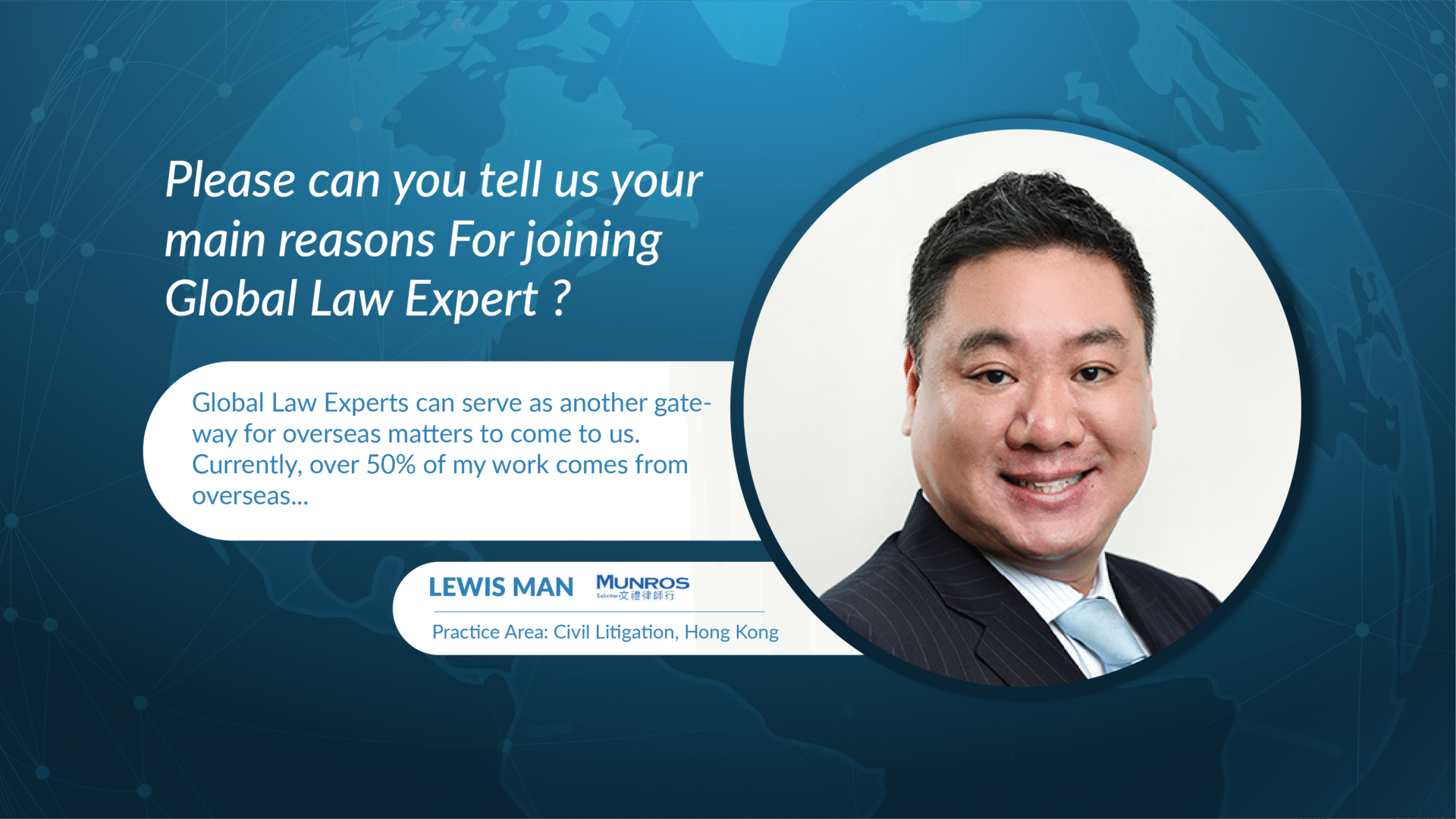
Testimonial-by-Lewis-Man.png
Testimonial-by-Kerwin-K.-Tan.png
Testimonial-by-Elena-Sadovskaya.png
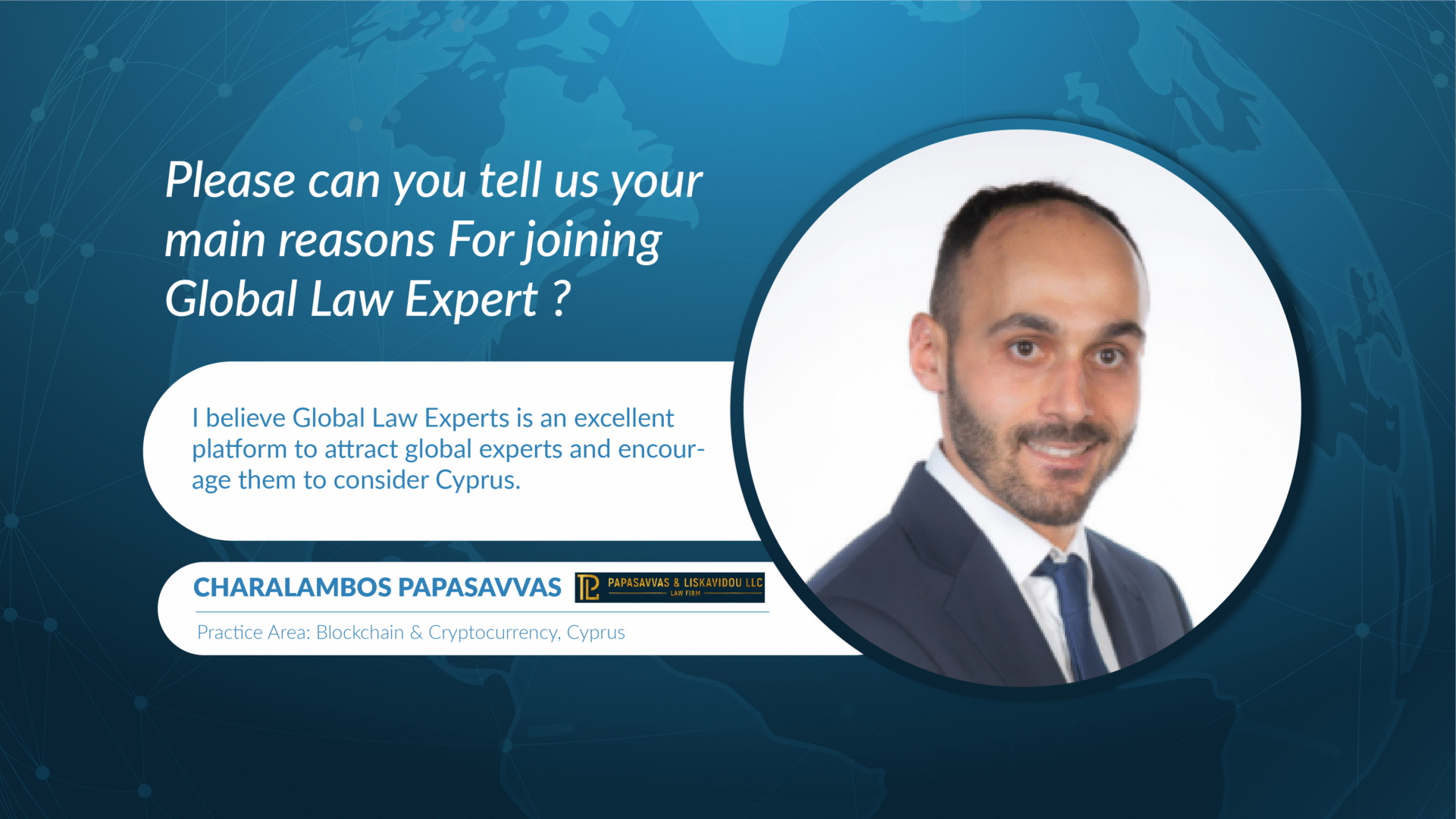
Testimonial-by-Charalambos-Papasavvas.png

Admiralty FAQ's

Admiralty law, also known as maritime law, is a specialized branch of federal law that governs activities on navigable waters. It covers everything from shipping commerce and marine insurance to piracy and recreational boating accidents. Unlike standard state laws, this legal framework focuses on issues unique to the sea, such as “salvage” rights (rewards for saving a ship) and the specific duties ship captains owe to their crew and passengers. It applies to any accident or contract that has a “significant relationship to traditional maritime activity,” meaning a jet ski crash on a large lake often falls under this federal jurisdiction rather than local state law.

Yes, because the rules of the road on the water are fundamentally different from those on land. For instance, a car accident is usually governed by state negligence laws, but a boating accident is governed by federal maritime statutes that may limit the boat owner’s liability to the post-accident value of the vessel—sometimes just the value of a wrecked hull. An admiralty lawyer knows how to navigate these unique “Limitation of Liability” acts and understands the specific “Rules of the Road” (COLREGS) that determine who is at fault when two vessels collide in open water.

The Jones Act is a federal law that protects “seamen”—workers who spend at least 30% of their time in the service of a vessel—by giving them the right to sue their employer for negligence. Unlike land-based workers who are restricted to workers’ compensation (which pays limited benefits regardless of fault), a Jones Act seaman can sue for full lost wages, pain and suffering, and medical costs if the employer’s negligence played even a tiny part in the injury. This protection applies to captains, deckhands, and even cruise ship entertainers, provided they meet the time-at-sea requirement.

The biggest difference is the concept of “Maintenance and Cure,” which is a centuries-old duty requiring shipowners to pay for an injured seaman’s daily living expenses (rent/food) and medical bills until they reach “maximum medical improvement,” regardless of who caused the injury. Additionally, maritime law often uses “pure comparative negligence,” meaning you can still recover damages even if you were 99% at fault for your own injury, whereas many states would bar you from recovering anything if you were more than 50% at fault.

Yes, and you must act fast because cruise tickets contain a strict “contract of carriage” that significantly shortens your legal window. While a normal personal injury lawsuit might have a 3-year deadline, cruise tickets often contractually limit your right to sue to just 1 year and require you to provide written notice of the claim within 6 months. A lawyer helps you file within these tight deadlines and ensures the case is filed in the specific federal court mandated by the ticket (often in Miami or Seattle), preventing your case from being thrown out for being in the wrong venue.

A maritime lien is a powerful legal claim that attaches to the vessel itself rather than its owner. If a ship owner fails to pay for fuel, crew wages, or repairs, the creditor gets a lien on the boat. To enforce it, a lawyer files an “in rem” lawsuit (against the thing, not the person) and has US Marshals physically “arrest” the ship, chaining it to the dock until a bond is posted. This lien travels with the ship even if it is sold to a new owner, meaning you could buy a boat and immediately have it seized for the previous owner’s unpaid debts.


These disputes are typically governed by the Carriage of Goods by Sea Act (COGSA), which strictly limits a carrier’s liability to $500 per package unless a higher value was declared. A lawyer fights over the definition of a “package”—arguing whether a shipping container counts as one package (limiting the payout to $500 total) or if the 1,000 individual boxes inside count as packages (raising the limit to $500,000). They also navigate the “Act of God” and “Perils of the Sea” defenses, where carriers try to avoid paying by claiming the damage was caused by a storm that no captain could have predicted.

Crimes on the “high seas” (international waters) are generally governed by the law of the “Flag State”—the country where the ship is registered. If a crime happens on a US-flagged ship, US federal law applies; if it’s on a Panamanian ship, Panama has jurisdiction. However, for “universal crimes” like piracy or slavery, any nation’s navy can intervene and prosecute the offenders. Additionally, under the “passive personality principle,” a country (like the US) can claim jurisdiction if the victim of the crime is one of its citizens, even if the ship is foreign-flagged.

Admiralty FAQ's

Admiralty law, also known as maritime law, is a specialized branch of federal law that governs activities on navigable waters. It covers everything from shipping commerce and marine insurance to piracy and recreational boating accidents. Unlike standard state laws, this legal framework focuses on issues unique to the sea, such as "salvage" rights (rewards for saving a ship) and the specific duties ship captains owe to their crew and passengers. It applies to any accident or contract that has a "significant relationship to traditional maritime activity," meaning a jet ski crash on a large lake often falls under this federal jurisdiction rather than local state law.

Yes, because the rules of the road on the water are fundamentally different from those on land. For instance, a car accident is usually governed by state negligence laws, but a boating accident is governed by federal maritime statutes that may limit the boat owner's liability to the post-accident value of the vessel—sometimes just the value of a wrecked hull. An admiralty lawyer knows how to navigate these unique "Limitation of Liability" acts and understands the specific "Rules of the Road" (COLREGS) that determine who is at fault when two vessels collide in open water.

The Jones Act is a federal law that protects "seamen"—workers who spend at least 30% of their time in the service of a vessel—by giving them the right to sue their employer for negligence. Unlike land-based workers who are restricted to workers' compensation (which pays limited benefits regardless of fault), a Jones Act seaman can sue for full lost wages, pain and suffering, and medical costs if the employer's negligence played even a tiny part in the injury. This protection applies to captains, deckhands, and even cruise ship entertainers, provided they meet the time-at-sea requirement.

The biggest difference is the concept of "Maintenance and Cure," which is a centuries-old duty requiring shipowners to pay for an injured seaman's daily living expenses (rent/food) and medical bills until they reach "maximum medical improvement," regardless of who caused the injury. Additionally, maritime law often uses "pure comparative negligence," meaning you can still recover damages even if you were 99% at fault for your own injury, whereas many states would bar you from recovering anything if you were more than 50% at fault.

Yes, and you must act fast because cruise tickets contain a strict "contract of carriage" that significantly shortens your legal window. While a normal personal injury lawsuit might have a 3-year deadline, cruise tickets often contractually limit your right to sue to just 1 year and require you to provide written notice of the claim within 6 months. A lawyer helps you file within these tight deadlines and ensures the case is filed in the specific federal court mandated by the ticket (often in Miami or Seattle), preventing your case from being thrown out for being in the wrong venue.

A maritime lien is a powerful legal claim that attaches to the vessel itself rather than its owner. If a ship owner fails to pay for fuel, crew wages, or repairs, the creditor gets a lien on the boat. To enforce it, a lawyer files an "in rem" lawsuit (against the thing, not the person) and has US Marshals physically "arrest" the ship, chaining it to the dock until a bond is posted. This lien travels with the ship even if it is sold to a new owner, meaning you could buy a boat and immediately have it seized for the previous owner's unpaid debts.

These disputes are typically governed by the Carriage of Goods by Sea Act (COGSA), which strictly limits a carrier's liability to $500 per package unless a higher value was declared. A lawyer fights over the definition of a "package"—arguing whether a shipping container counts as one package (limiting the payout to $500 total) or if the 1,000 individual boxes inside count as packages (raising the limit to $500,000). They also navigate the "Act of God" and "Perils of the Sea" defenses, where carriers try to avoid paying by claiming the damage was caused by a storm that no captain could have predicted.

Crimes on the "high seas" (international waters) are generally governed by the law of the "Flag State"—the country where the ship is registered. If a crime happens on a US-flagged ship, US federal law applies; if it's on a Panamanian ship, Panama has jurisdiction. However, for "universal crimes" like piracy or slavery, any nation's navy can intervene and prosecute the offenders. Additionally, under the "passive personality principle," a country (like the US) can claim jurisdiction if the victim of the crime is one of its citizens, even if the ship is foreign-flagged.

Join
who are already getting the benefits
0
Sign up for the latest legal briefings and news within Global Law Experts’ community, as well as a whole host of features, editorial and conference updates direct to your email inbox. Naturally you can unsubscribe at any time.
Newsletter Sign Up
About Us

Global Law Experts is dedicated to providing exceptional legal services to clients around the world. With a vast network of highly skilled and experienced lawyers, we are committed to delivering innovative and tailored solutions to meet the diverse needs of our clients in various jurisdictions.

Global Law Experts App

Now Available on the App & Google Play Stores.

Social Posts
[wp_social_ninja id="50714" platform="instagram"]

See More:

Contact Us

Stay Informed

Join Mailing List
About Us

Global Law Experts is dedicated to providing exceptional legal services to clients around the world. With a vast network of highly skilled and experienced lawyers, we are committed to delivering innovative and tailored solutions to meet the diverse needs of our clients in various jurisdictions.

Social Posts
[wp_social_ninja id="50714" platform="instagram"]

See More:

Global Law Experts App

Now Available on the App & Google Play Stores.

Contact Us

Stay Informed

Join Mailing List

GLE

Lawyer Profile Page - Lead Capture
GLE-Logo-White
Lawyer Profile Page - Lead Capture

Testimonial by Charalambos Papasavvas

Send welcome message

Custom Message