

Our Expert in Singapore
No results available
International dispute resolution lawyers singapore are in higher demand than ever as Asia‑Pacific cross‑border disputes accelerate into 2026, and the cost of choosing the wrong adviser has rarely been greater. With multi‑seat arbitrations growing in complexity, updated institutional rules, and events such as the Asia Pacific Disputes Summit concentrating attention on counsel selection, in‑house teams need a disciplined, procurement‑grade process rather than a hurried referral. This guide gives general counsel, legal operations leads and procurement teams a neutral, practical checklist to shortlist, interview, budget for and onboard the right adviser. It is structured for decision‑making, not marketing, and anchored in primary sources from the Singapore International Arbitration Centre, the Supreme Court of Singapore and Singapore’s statutory framework.
Who this is for and what you get. In‑house counsel, GCs and procurement teams deciding which Singapore dispute counsel to instruct. You will get a 10‑point selection checklist, interview questions, a scoring template, fee‑model guidance, a forum comparison table, engagement‑letter essentials, and red flags, all designed for a 2026 cross‑border dispute.
The volume and value of cross‑border commercial disputes seated in or connected to Singapore continue to climb, driven by regional trade flows, supply‑chain restructuring and increasingly multi‑party contractual arrangements. As institutional rules evolve and tribunals grapple with multi‑seat and multi‑contract claims, the quality of the counsel you instruct materially shapes outcome, cost and enforceability. Choosing well is now a strategic procurement decision, not an administrative one.
Here is the TL;DR checklist you can act on today:
The sections below expand each point, with interview questions and a scoring micro‑template that procurement teams can drop straight into an RFP.
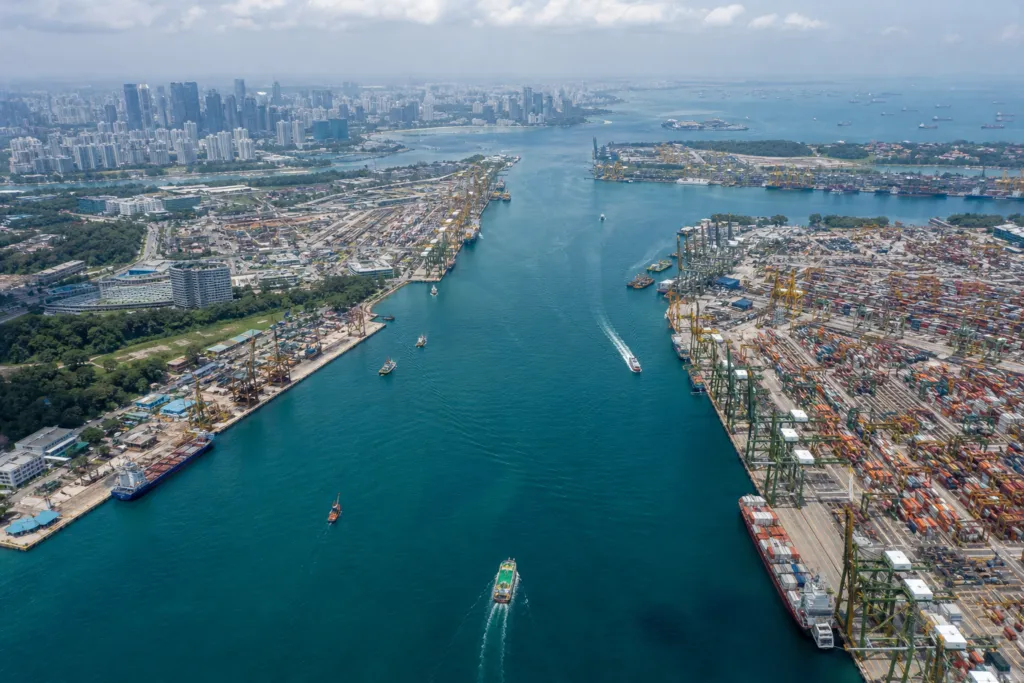
Singapore has established itself as one of the leading neutral venues for international dispute resolution in Asia. Its appeal rests on a combination of a respected arbitral institution, a specialist commercial court, a judiciary that supports rather than obstructs arbitration, and a statutory enforcement regime aligned with international standards. For in‑house counsel weighing where to seat a dispute and whom to instruct, these structural advantages are the foundation of the selection decision.
Several features make Singapore attractive as both a seat and a venue, and each has a direct bearing on the profile of counsel you should hire:
These strengths explain why many commercial parties designate Singapore as the seat, and why the international dispute resolution lawyers singapore you shortlist should demonstrate concrete, recent experience operating within this ecosystem rather than general litigation credentials alone.
One of the most consequential early decisions is whether to instruct Singapore counsel, local counsel in the respondent’s jurisdiction, or, most commonly in complex matters, a coordinated team of both. The right answer turns on the seat, the governing law, where enforcement will ultimately bite, and where urgent relief must be obtained.
Instruct Singapore counsel where Singapore is the agreed seat of arbitration, where SIAC or SICC procedures are central to your strategy, or where the interim‑relief and enforceability advantages of a Singapore‑seated process are decisive. Singapore counsel are also well placed to coordinate multi‑jurisdictional matters, acting as lead strategists who manage local firms across several countries. If your contract designates Singapore, or if you are choosing a neutral seat for a dispute between parties from different legal traditions, Singapore counsel should lead.
Local counsel in the respondent’s jurisdiction remain essential where decisive issues are governed by local procedural law, where evidence or witnesses sit in that jurisdiction, or where enforcement will ultimately occur against assets located there. Local injunctive remedies, domestic court practice and jurisdiction‑specific evidence rules frequently require boots‑on‑the‑ground expertise that even the strongest international dispute resolution lawyers singapore cannot replicate. The practical answer in most cross‑border disputes is a hybrid: Singapore counsel set strategy and run the arbitration, while local counsel handle on‑the‑ground enforcement and local court applications.
This is the core of the selection process. Work through each of the ten items below with every shortlisted firm, ask the suggested questions, request the suggested proof, and watch for the red flags. A scoring micro‑template follows the checklist so your procurement team can quantify the comparison.
Generalist capability is not enough. The adviser should have handled disputes materially similar to yours, in sector, contract type and quantum. A construction delay claim, a shareholder dispute and a commodities default each demand different expertise. Confirm that the lawyers who will actually run your matter have the relevant background, not just the firm’s brochure.
Experience with your chosen seat and institutional rules is distinct from general arbitration experience. A team steeped in SIAC‑seated work may be less fluent in ICC or SICC procedures. Rule familiarity drives speed, reduces procedural risk and affects tactical choices from the first filing.
Understand who will do the work. It is common for a senior partner to win the pitch while associates run the day‑to‑day file. That is not inherently wrong, but you must know the structure, the seniority mix and the supervision arrangements before you instruct. Confirm local presence in Singapore and, where relevant, the firm’s ability to coordinate counsel in other jurisdictions.
A strong adviser forms an early view on the optimal route, arbitration, mediation, SICC litigation, or a staged combination. The best international dispute resolution lawyers singapore will interrogate your commercial objectives before proposing a strategy, and will be candid about settlement prospects. Singapore’s mediation infrastructure, including the Singapore Mediation Centre and the Singapore International Mediation Centre, means a credible team should assess mediation as a genuine option, not an afterthought.
When assets are being dissipated or evidence destroyed, speed is everything. The emergency arbitrator provisions under the SIAC Rules and the interim‑relief support available through the Singapore courts mean your adviser must know how to deploy both. Ask specifically about turnaround: how quickly can they file for emergency relief, and what has that process looked like in practice?
Conflict checks must be run early, documented and extended across all group entities and known counterparties. Professional conduct obligations are governed by the Legal Profession Act 1966 and the applicable professional conduct rules, with the Law Society of Singapore playing a central role, and a firm’s handling of conflicts is a reliable signal of its governance. Independence also matters when assessing arbitrator and expert appointments.
Cost transparency is non‑negotiable. You need a clear fee model, phase‑by‑phase budgeting and defined assumptions before you instruct. The fee section below covers the models in detail; at the checklist stage, confirm the adviser can produce a structured budget rather than an open‑ended commitment.
Large disputes are logistics‑heavy. Document review, disclosure, witness preparation and hearing bundles all require disciplined project management. Ask how the firm resources peaks, uses technology for e‑discovery and document management, and controls cost through delegation.
An award you cannot enforce is a hollow victory. The strongest international dispute resolution lawyers singapore think about enforcement from day one, identifying where the respondent’s assets sit and whether an award or judgment can be recognised there. Singapore’s enforcement framework, built on the New York Convention and the Model Law as reflected in Singapore’s statutes and administered through the courts, is a strength, but recognition in the enforcement jurisdiction is the real test.
In a multi‑year dispute, working relationship quality matters. Confirm language capabilities for your matter, agree reporting cadence and escalation routes, and establish how decisions will be made jointly. Cross‑cultural fluency is particularly valuable in Asia‑Pacific disputes involving parties from different legal and commercial traditions.
Score each firm from 1 (weak) to 5 (strong) against all ten checklist items. Weight the criteria that matter most to your matter, for example, enforcement experience in a high‑risk jurisdiction, or emergency‑relief capability where asset dissipation is a threat. Total the weighted scores to produce a defensible, procurement‑ready shortlist ranking.
Treat counsel selection like any significant procurement exercise: define requirements, issue a structured request, shortlist against objective criteria, and interview with a scoring sheet. This discipline both improves the decision and creates an audit trail.
A strong RFP gives prospective counsel enough to respond meaningfully without disclosing privileged material. Provide the dispute summary, the governing contract and dispute‑resolution clause, the seat (if fixed), an estimate of quantum and complexity, and your timeline. Request in return: a named team with rates, comparable case experience, a preliminary strategic view, a phased fee proposal, and conflict confirmation.
Shortlist three to five firms. Standardise your interview questions so comparisons are fair, and use the 1–5 scoring sheet from the checklist above. Where arbitrators or mediators will be appointed, prepare separate due‑diligence questions on their availability, prior appointments and any potential conflicts. A disciplined interview round surfaces the practical differences between firms that polished written responses can obscure.
For a typical shortlist, allow a short, firm timeline: issue the RFP, allow a defined response window of a couple of weeks, review and shortlist shortly after, hold interviews the following week, and confirm instruction promptly. Where emergency relief may be needed imminently, compress this process and instruct provisionally while completing due diligence in parallel.
Cost is where many instructions go wrong, not because fees are high, but because expectations were never aligned. Understanding the common fee structures lets you negotiate from an informed position.
Beyond legal fees, budget separately for third‑party costs: expert witnesses, tribunal and institutional fees, emergency‑hearing and court time, translation, and e‑discovery. Build a mini cost proforma that lists each line, the assumed basis, and the trigger that would move it. Negotiation points worth pressing include billing caps for the first phase, a fixed fee for the initial strategic assessment, regular budget‑to‑actual reporting, and written notification before any overrun. Fee variance between firms and seniority levels is significant, so a written fee schedule is essential before instruction.
The forum you select determines the counsel profile you need. The table below is a neutral, client‑focused comparison of the main options for cross‑border disputes connected to Singapore.
| Decision factor | SIAC arbitration (Singapore seat) | SICC litigation | ICC arbitration (seat elsewhere) | Local court of respondent |
|---|---|---|---|---|
| Typical use cases | Commercial cross‑border disputes with flexible procedures | Complex commercial disputes needing court oversight and specialist judges | Multi‑party, multi‑seat cases reflecting parties’ preference | Domestic enforcement and local injunctive relief |
| Emergency / interim relief | Emergency arbitrator or court; Singapore courts supportive | Direct court orders | Dependent on seat; may need local emergency measures | Immediate local injunctive remedies |
| Enforcement | New York Convention; strong enforcement record in APAC | Domestic judgment enforcement; recognition regimes vary | New York Convention for awards, or local judgment recognition | Local enforcement; may be difficult cross‑border |
| Counsel profile needed | Arbitration specialists experienced in SIAC rules | Counsel experienced in SICC practice and local procedure | Arbitration counsel with a track record in the chosen seat | Local counsel with court practice and enforcement knowledge |
The practical implication is clear: a SIAC or SICC route points toward Singapore‑based specialists, an ICC matter seated abroad calls for counsel experienced in that seat, and enforcement against local assets usually requires a local firm working alongside your lead team.
Once you have chosen your adviser, the engagement letter and your internal standard operating procedures determine how smoothly the relationship runs. Review the engagement terms before signing, not after a dispute over billing.
Key engagement‑letter clauses to scrutinise:
On the internal side, establish an SOP covering who instructs counsel, who approves budget movements, the reporting cadence you expect, and how you will monitor performance against agreed KPIs. A short onboarding checklist, conflict confirmation received, engagement letter signed, budget approved, reporting schedule set, document protocols agreed, prevents the common early‑stage failures.
Even after instruction, keep monitoring. The clearest early warning signs are the absence of a clear strategy, no defined emergency process, and opaque or surprising billing. Track performance against practical KPIs: turnaround on deliverables, budget‑to‑actual variance, responsiveness, and the quality and timeliness of reporting. If these slip persistently, repeated budget overruns without notice, unexplained delays, or a breakdown in communication, those are legitimate triggers to review the relationship and, if necessary, rotate counsel. A documented performance baseline makes that decision defensible rather than emotional.
Choosing among international dispute resolution lawyers singapore is a decision that compounds across the life of a dispute, affecting strategy, cost and ultimately whether you recover. Approach it as structured procurement rather than a referral call. Take three concrete steps: first, shortlist three to five firms and score them against the 10‑point checklist and scoring template; second, run standardised interviews using the questions in each checklist item; and third, consider a pilot engagement, a retainer with an immediate, defined deliverable such as a strategic assessment, before committing to the full matter. Done well, this process gives you an adviser matched to your dispute, a defensible selection trail, and a working relationship built on clear expectations.
To find suitable advisers, consult the International Dispute Resolution, Singapore practice area page and the Global Law Experts lawyer directory.
This article was produced by Global Law Experts. For specialist advice on this topic, contact Lim Tat at Aequitas Law LLP, a member of the Global Law Experts network.

posted 1 minute ago

posted 20 minutes ago

posted 39 minutes ago

posted 56 minutes ago

posted 1 hour ago
posted 2 hours ago

posted 2 hours ago

posted 2 hours ago

posted 2 hours ago

posted 3 hours ago

posted 3 hours ago

posted 4 hours ago
No results available
Find the right Legal Expert for your business

Send welcome message