posted 6 days ago
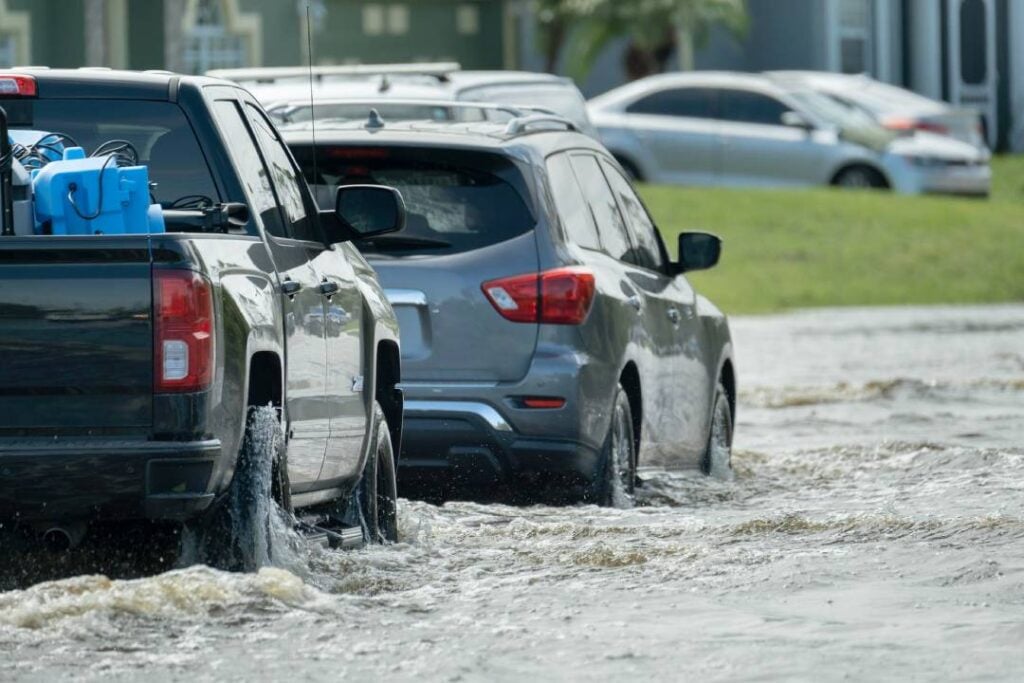
The recent heavy rain and storm conditions seen across the UAE have led to a lot of discussion about insurance coverage and who is legally responsible when property or vehicles are damaged. These events have also shown that insurance disputes are rarely decided by policy wording alone, especially when it is storm damage in the UAE. Under UAE law, the position is seen from different perspectives. The first is the insurance policy itself, including what it covers and what it excludes. The second is the wider legal framework under the Federal Decree Law No. 5/1985, UAE Civil Transactions Law. In practice, both matter. A claim may appear straightforward on paper, but liability often turns on how the facts, the policy terms, and the Civil Code work together. The Federal Decree Law No. 25/2025, promulgating the Civil Transactions Law, will replace the Federal Decree Law No. 5/1985 on the Civil Transactions Law of the United Arab Emirates State on 1st June 2026.
The legal basis for insurance contracts is found in Article 1026 of the Civil Code. This article says that an insurance contract is an agreement in which the insurer agrees to pay the insured a certain amount of money when a certain risk happens, in return for a premium. From a legal perspective, a few basic principles shape how these contracts are understood.
In cases involving rain, storms, or flooding, the answer will usually depend on the type of policy in place. Damage of this kind may fall within comprehensive cover unless the policy clearly removes that risk through a specific exclusion, such as a natural disaster clause or a consequential loss exclusion.
A key issue in claims related to weather events is whether the event can legally be considered a force majeure, or an external cause that removes liability.
1. Article 287 of the Civil Code provides that a person will not be liable for loss if the damage arose from an external cause beyond that person’s control, such as force majeure, a natural event, or the act of a third party.
2. Article 273 deals with the effect of force majeure on contractual obligations. Where performance becomes impossible because of force majeure, the corresponding obligation comes to an end, and the contract may be terminated.
Although these provisions appear broad, UAE courts do not apply them lightly. For force majeure to relieve a party from liability, the event must be the only real cause of the damage. In other words, it must be the sole, direct, and effective cause. The argument for force majeure is weakened when damage results from a combination of bad weather and human mistakes. These mistakes can include poor maintenance, delays, carelessness, or a lack of proper safety measures. The same principle applies when the damage could have been reasonably avoided or lessened. Even if the weather was severe, a party may still face liability if the loss was increased by something that should have been anticipated or addressed earlier.
For vehicle-related claims, the distinction between third-party liability insurance and comprehensive insurance is essential. Under the UAE regulatory framework, including the Unified Motor Vehicle Insurance Policy, not all rain or flood damage is treated in the same way.
1. Mandatory third-party liability insurance only covers damage caused to others. It does not cover damage to the insured’s own vehicle. So if a car is damaged by floodwater, a third-party policy will generally not respond.
2. Comprehensive insurance offers wider protection. Depending on the policy wording, it may cover accidental damage caused by rain, storms, or flooding. Even then, the final position still depends on the exact terms of the contract.
Some policies exclude large-scale natural events, catastrophic incidents, or acts of God. There has also been regulatory guidance indicating that rain damage may be covered under standard policies in many cases. However, where authorities formally classify an event as a natural disaster, insurers may rely more heavily on the wording of exclusions, which can affect the outcome of claims.
In property-related disputes, it is also necessary to separate structural damage from damage to personal belongings or movable assets. The landlord is responsible for the damage to the structure of the buildings involving the roof, walls, foundation, and other essential parts of the building. They are mostly covered by the building’s insurance. The movable property usually owned by the tenant, whether for personal or business purposes, is typically covered by a separate insurance policy. It’s crucial to know the distinction between these two things. Most of the time, insurance just covers the outside of the structure. You need different insurance for your personal and company property. To hold the landlord responsible for damage to movable property, a renter must show that the weather did not cause the loss completely. They need to show that it was caused by a structural collapse that happened before or by the owner’s carelessness.
Even where the starting point appears to favor the insured, recovery may still be refused or reduced if the insured person’s own conduct contributed to the damage. The court’s concern is to figure out whether the loss was entirely due to the insured event or if the claimant’s actions played a role in the outcome For instance, think about a time when someone drove into a flooded area even though it was clear that it was dangerous and they were warned. The insurance company might say that the driver was careless in this case, which means that the claim isn’t covered. Another example is when a vehicle, already exposed to water, is started by the owner, which then causes more serious internal damage. In that case, the original water ingress may be one issue, but the later engine damage may be treated differently because it resulted from avoidable conduct. The same reasoning can apply where reasonable precautions were not taken. If a person leaves a car in a place known to flood, even though they could have parked it elsewhere, this could be used to argue that the insured person contributed to the damage.
If an insurer denies a claim, the policyholder isn’t necessarily out of help. The first step usually involves filing a complaint with the relevant regulatory body. This action can then initiate a formal review of the insurer’s position, which might lead to mediation or administrative advice. If the issue isn’t settled, you can go to court. At this point, the court usually looks at the policy’s coverage, the facts of the case, the reason for the loss, and any witness that is needed to explain the technical issues. Expert opinions are often very important in insurance disputes about weather-related damage. This is especially true when there are disagreements about the cause of the damage, specifically whether other factors played a role or if the weather was the only cause.
In the United Arab Emirates, determining insurance liability for natural disasters involves several factors. While the insurance policy’s wording is important, the Civil Code’s rules about causation, external causes, and contractual obligations also play a significant role. The insured’s actions are also important, especially if the facts show that the loss could have been avoided or lessened.
For that reason, claims involving rain, floods, or storms need careful legal and factual review. The outcome will usually depend on the exact policy terms, the type of insurance involved, the cause of the damage, and whether any negligence played a part. As these issues arise more often, court decisions will continue to shape how insurance responsibility is understood in the UAE.
legal support for:
Led by Mrs. Awatif Al Khouri, a highly experienced UAE lawyer with full rights of audience before all UAE courts, we assist clients in protecting their rights and resolving disputes efficiently.
Call us +971 4 325 4000 | WhatsApp us +971 50 354 0047
Author


No results available


posted 5 days ago


posted 5 days ago

posted 6 days ago
No results available
Find the right Legal Expert for your business
Sign up for the latest legal briefings and news within Global Law Experts’ community, as well as a whole host of features, editorial and conference updates direct to your email inbox.
Naturally you can unsubscribe at any time.
Global Law Experts is dedicated to providing exceptional legal services to clients around the world. With a vast network of highly skilled and experienced lawyers, we are committed to delivering innovative and tailored solutions to meet the diverse needs of our clients in various jurisdictions.
Global Law Experts is dedicated to providing exceptional legal services to clients around the world. With a vast network of highly skilled and experienced lawyers, we are committed to delivering innovative and tailored solutions to meet the diverse needs of our clients in various jurisdictions.
Send welcome message