
Our Expert in Italy
No results available
Evidence preservation Italy is the single most decisive procedural battleground in a patent dispute: infringing samples, source code, production records and internal correspondence can vanish the moment a respondent senses litigation is coming. This practitioner guide sets out, step by step, how patent owners and their counsel obtain and execute inspection and preservation measures in Italy, the descrizione, the sequestro, and their functional is somehow equivalent to the English Anton Piller order. It reflects the practical reality of Italian civil procedure in 2026, including the impact of ongoing civil‑justice reform, the interaction with the GDPR when electronic data is seized, and the cross‑border admissibility questions that arise when Italian‑seized evidence is deployed before the Unified Patent Court or foreign tribunals.
In any case, there are some necessary differences: While descrizione serves a similar function (preserving evidence ex parte), an English Anton Piller order (Search Order) is an injunction addressed directly to the respondent ordering them to permit entry under threat of contempt of court. In contrast, an Italian descrizione under Art. 129 CPI is an order addressed to a public officer (ufficiale giudiziario) authorizing them to enter, examine, and inventory items directly. The legal mechanism and enforcement structure differ fundamentally between the two jurisdictions.
The material below is general information for in‑house counsel, IP managers and litigation lawyers, and is not a substitute for case‑specific legal advice.
Effective evidence preservation Italy relies on a small family of measures that allow a patent owner to secure proof before it is altered or destroyed. Italian law does not use the English label “Anton Piller order”, but the combination of judicial inspection (descrizione) and seizure (sequestro) under the Italian Industrial Property Code (Codice della Proprietà Industriale, Legislative Decree No. 30/2005) achieves a comparable result: a court‑authorised, and sometimes ex parte, entry to premises to identify, describe and take custody of infringing material. The descrizione is regulated principally by Article 129 of that Code, and seizure by Article 130.
Preservation is the right tool when your primary concern is that proof of infringement will disappear, production runs completed, servers wiped, prototypes returned to suppliers. Where your concern is instead to stop ongoing sales, an interim injunction (inibitoria) is the appropriate remedy, and where infringing goods are crossing the border, customs measures apply. In practice these measures are complementary: a well‑planned campaign often files for description and seizure to lock down evidence, then converts the factual record into an application for injunctive relief on the merits. For background on injunctions in standard‑essential patent disputes, see our guide to SEP Litigation, Italy.
Italian courts treat inspection and seizure as intrusive measures and grant them only where the applicant meets a recognised threshold. The two classic requirements, familiar across Italian precautionary law and reflected in the Codice di Procedura Civile published on Normattiva, are fumus boni iuris (a plausible case on the merits) and periculum in mora (a real risk that delay will cause irreparable harm to the applicant’s position).
You must show, on a prima facie basis, that a valid patent exists and that the respondent’s product or process falls within its claims. This is why claim charts and a concise expert summary are indispensable: the judge is not deciding infringement finally, but must be satisfied that the assertion is credible. You must also demonstrate the periculum, concrete facts suggesting evidence could be destroyed, hidden or altered. Generic assertions rarely suffice; Italian case law on precautionary and evidentiary measures, with decisions of the Corte di Cassazione available through its portal, generally requires the risk to be specific and demonstrable rather than speculative.
The court weighs the applicant’s need against the intrusion imposed on the respondent. Proportionality drives everything: an order confined to identified devices, records and locations will be granted more readily than a sweeping request to search all premises. Judges routinely narrow overbroad applications, so scope discipline in the draft order is a tactical advantage, not a limitation.
The workflow below reflects the sequence most patent owners follow. Timings assume competent local counsel and a prepared technical expert; genuinely urgent ex parte applications compress several stages into a single day.
Collect everything that establishes both the merits and the urgency. That means the granted patent and its claims, market evidence of the suspected infringing product, screenshots, purchase samples, and, where feasible, device images or photographs. Engage a technical expert early to prepare an infringement analysis and a plain‑language summary the judge can absorb quickly. This stage typically takes one to five days and determines the strength of everything that follows.
The application (ricorso) must set out the patent, the prima facie infringement, the specific risk to the evidence, and the precise measures sought. Attach a proposed draft order (a bozza) that spells out the locations to be inspected, the categories of documents and devices to be described or seized, and the identity of the appointed technical expert. Supporting written statements and documentary evidence anchor the factual narrative; Italian procedure relies primarily on documentary proof rather than sworn witness affidavits. The most persuasive applications pair legal argument with a tightly drafted scope and an explicit chain‑of‑custody proposal. Building this package usually takes one to three days with expert input.
Patent preservation matters fall to the specialised business sections (sezioni specializzate in materia di impresa) of the competent tribunal, typically where the respondent is domiciled or where the infringing acts occurred. Territorial jurisdiction rules are set out in the Civil Procedure Code and the Industrial Property Code, both available on Normattiva. Electronic filing (Processo Civile Telematico) is the norm; procedural organisation and court practice are documented by the Ministero della Giustizia. Filing can be same‑day for urgent matters or take a little longer depending on method and court.
Where prior notice would defeat the purpose, the classic surprise scenario at the heart of Anton Piller Italy practice, you may request that the order be granted inaudita altera parte (without hearing the other side). The judge may grant relief the same day or within a few days, but ex parte orders carry a built‑in safeguard: a prompt inter partes hearing is scheduled shortly afterwards to confirm, vary or revoke the measure. Ex parte relief demands a heightened duty of candour, the applicant should disclose material facts that could weigh against the order, because concealment is a frequent ground for later revocation.
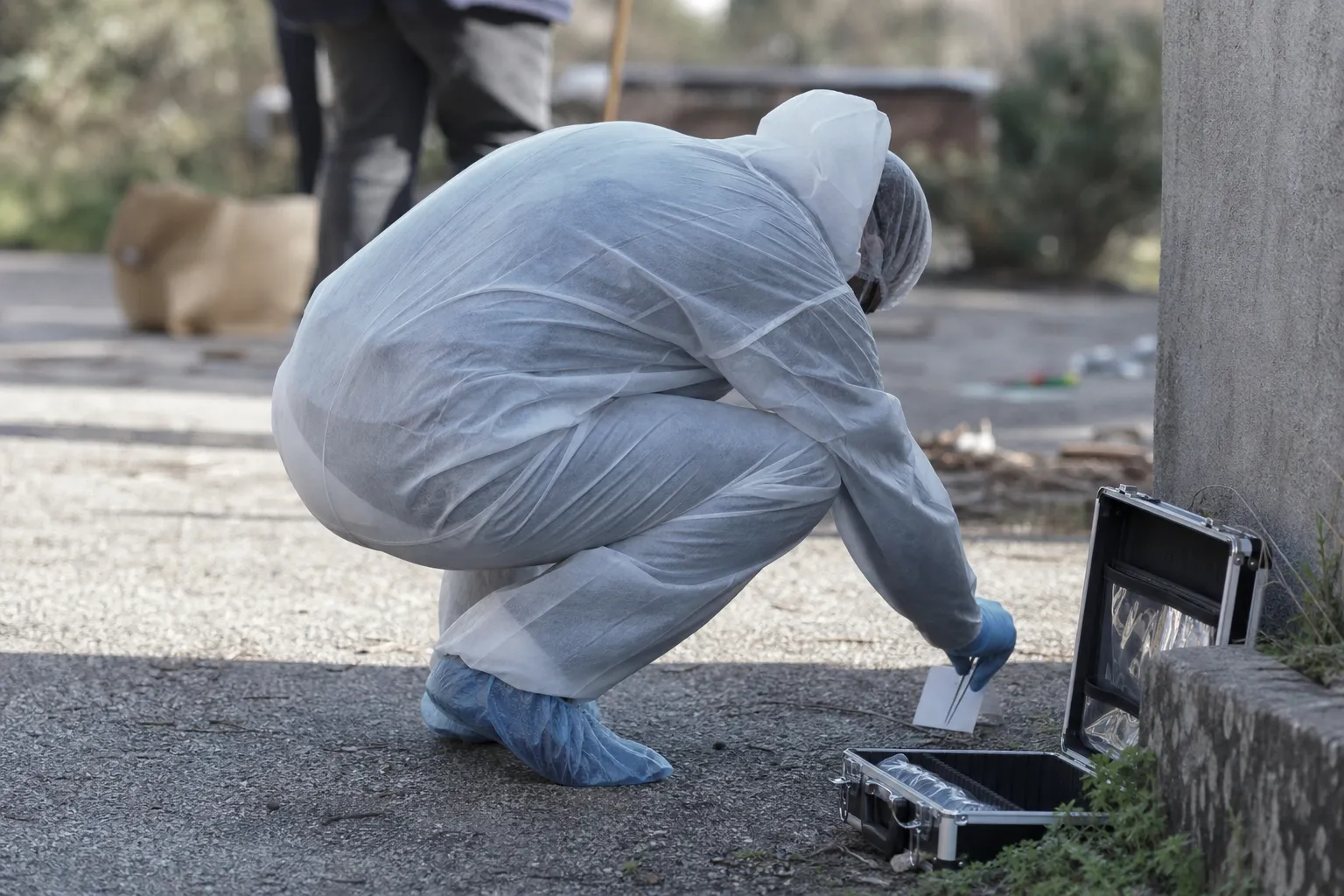
Execution is carried out by a judicial officer (ufficiale giudiziario) or bailiff, generally accompanied by the court‑appointed technical expert and the applicant’s counsel; police assistance can be requested where resistance is anticipated. On arrival, the officer serves the order, identifies the items within its scope, and proceeds to describe and, where authorised, seize them. Discipline on scope is critical during execution: taking material outside the order’s terms exposes the whole seizure to challenge. For electronic material, forensic imaging rather than removal of live systems is the preferred approach. Execution itself is typically a single day, though logistics across multiple sites can extend it.
Immediately after seizure, the officer and expert prepare a detailed inventory, seal the items, and record the chain of custody. Every item should be logged, photographed and cross‑referenced to the order. Digital evidence should be hashed and stored on write‑protected media. This record is the backbone of admissibility both in the Italian merits proceedings and abroad, and it is completed on the day of execution.
| Step | Action | Who is responsible | Typical duration |
|---|---|---|---|
| 1 | Pre‑filing preservation analysis and evidence collection (claim chart, screenshots, device images) | Patent owner counsel + technical expert | 1–5 days |
| 2 | Draft application and supporting statements (including exhibits) | Counsel (with expert input) | 1–3 days |
| 3 | File application at competent court (request ex parte if urgent) | Counsel | Same day–2 days |
| 4 | Court issues interim order (ex parte or on notice) | Judge | Same day–2 weeks |
| 5 | Execute order: on‑site inspection and seizure | Judicial officer / bailiff / appointed expert + counsel | 1 day (logistics may extend) |
| 6 | Inventory, seal and deposit seized items; chain‑of‑custody record | Judicial officer + expert | Same day as execution |
| 7 | Follow‑up hearing for confirmation | Judge, parties | Short window after execution |
| 8 | Use of preserved evidence in main proceedings / foreign enforcement | Litigation counsel, foreign counsel | Weeks–months |
A complete filing package removes procedural friction and pre‑empts objections. Every document listed below supports either the merits threshold, the urgency requirement, or the practical execution of the order in an evidence preservation Italy scenario.
The supporting written submission should identify the source of the factual knowledge relied on, set out the patent and its relevant claims, describe the suspected infringing product or process, articulate the specific risk of destruction, and state precisely why the measures sought are proportionate. It must be submitted in Italian and should reference each exhibit by number so the judge can navigate the file quickly.
Core exhibits are the claim charts mapping the infringing item onto the asserted claims, the granted patent (with a certified translation where the original is not in Italian), and the expert’s technical report explaining infringement in accessible terms. Add documentary evidence of risk, communications, past conduct, or indications of imminent disposal, to substantiate the periculum.
| Document / item | Purpose / notes |
|---|---|
| Supporting written statement (in Italian) | Sets out facts, prima facie infringement, urgency, risk of destruction |
| Claim charts / comparative analysis | Maps alleged infringing products or processes to patent claims |
| Copies of asserted patent(s) (with translations if foreign) | Patent title, claims, prosecution history where relevant |
| Expert report or technical summary | Explains infringement in plain terms; supports urgency |
| Evidence of risk (screenshots, past conduct, disposal signs) | Shows propensity to destroy or hide evidence |
| Draft proposed order (bozza) | Specifies scope, places, documents and devices to assist the judge |
| List of locations, devices and accounts to inspect | Narrow scope reduces objections |
| Security / bond proposal or undertaking | May be required by the court to protect the opposing party |
| Identity documents and powers of attorney for counsel | For filing and execution |
| GDPR / data‑processing plan and redaction protocol | Demonstrates data‑protection compliance during seizure and transfer |
| Translation of key documents into Italian | Italian submissions are required |
| Service proof (for on‑notice applications) | Verifies notice where the application is not ex parte |
Timing is the essence of preservation, and disciplined diary management protects the measure from being unwound on procedural grounds.
For a well‑prepared urgent application, an ex parte order can issue the same day or within a few days of filing, with execution frequently taking place within 24 to 72 hours of the order. Where the court fixes an inter partes hearing before granting relief, expect roughly one to two weeks from filing to order. The complete arc, from evidence collection through the confirmation hearing, commonly spans two to six weeks, with use of the preserved material in the merits or abroad extending over subsequent months.
The inventory and sealing are completed on the day of execution. Following an ex parte order, the confirmation hearing is typically scheduled within a short window, and, critically, the Industrial Property Code and the Civil Procedure Code require the applicant to commence the merits proceedings within the period fixed by the judge (or, absent such fixing, within the statutory period for precautionary measures), failing which the measure may lapse. Calendar these dates the moment the order issues and confirm the applicable deadline with local counsel.
Budget realistically. The figures below are indicative ranges only; actual costs depend on complexity, the number of sites, urgency and the volume of seized material, and court fees are set by the applicable statutory tariff (contributo unificato and related charges).
| Cost item | Typical range / notes |
|---|---|
| Court filing fee (contributo unificato) | Set by statutory tariff; varies by claim value, check the current schedule |
| Judicial officer / bailiff execution fee | Set by the applicable tariff; varies with complexity and travel |
| Counsel fees (application + hearing) | Varies widely with urgency and complexity |
| Expert / technical consultant fees | Varies with scope of reporting and on‑site assistance |
| Security / bond or indemnity | May be required; value set by the court |
| Translation costs | Depends on volume of documents |
| Storage / deposit of seized items | Depends on nature and volume of items |
| Urgent execution logistics (travel, overnight) | Billed as actual expenses |
Italy’s continuing civil‑justice reform programme (notably the reform implemented by Legislative Decree No. 149/2022, the “Riforma Cartabia”, and its subsequent corrective measures), promulgated through instruments published in the Gazzetta Ufficiale and consolidated on Normattiva, has reinforced the drive toward faster, more concentrated procedure and greater use of digital filing. Practitioners should confirm the exact article references applicable to their matter, because the specific provisions governing timing and proof standards continue to be refined.
The practical direction of travel is toward tighter execution windows and a clearer expectation that applicants substantiate urgency with concrete evidence rather than assertion. Courts continue to scrutinise the specificity of the periculum showing, which makes the documented risk evidence discussed above increasingly important. Always verify the precise statutory wording against the primary sources before filing.
Because seized material now routinely includes electronic devices and personal data, data‑protection compliance is a live element of every application. Under Regulation (EU) 2016/679 (the GDPR), published on EUR‑Lex, and Italy’s implementing legislation (Legislative Decree No. 196/2003 as amended), processing personal data in litigation requires a lawful basis, data minimisation and proportionality. The Garante per la protezione dei dati personali provides guidance on processing personal data in judicial contexts and on cross‑border transfers. In practice, a credible data‑processing and redaction plan, filed with the application, can strengthen both the grant of the order and the later admissibility of what you seize.
Evidence preservation Italy frequently forms one leg of a multi‑jurisdictional campaign, so plan from the outset for the material to travel.
Foreign tribunals, including the Unified Patent Court, will scrutinise how the evidence was obtained and whether it is authentic. Maintain an unbroken chain of custody, retain the officer’s inventory and seals, and obtain certified translations of key documents. The Unified Patent Court and, for procedural resources on European patents, the European Patent Office publish useful practice materials.
Coordinate with foreign counsel before execution so the seizure meets the destination court’s requirements. Preserve original media and forensic images separately. Document the appointing order, the expert’s methodology and the hashing of digital exhibits. Where personal data will cross borders, ensure the transfer complies with the GDPR to avoid the evidence being challenged on data‑protection grounds. Comparative academic analysis of cross‑border IP evidence is available from the Max Planck Institute for Innovation and Competition.
Each mechanism serves a distinct purpose, and sophisticated enforcement deploys them in combination.
| Measure | When to use | Pros | Cons |
|---|---|---|---|
| Descrizione / seizure (court inspection and seizure under the Industrial Property Code) | To preserve or seize evidence in situ, devices, documents, samples | Immediate preservation; on‑site access; strong evidentiary advantage | Intrusive; requires careful judicial approval and GDPR compliance |
| Customs measures (border enforcement under Regulation (EU) No. 608/2013) | To detain infringing goods at the EU border | Halts imports quickly; preserves goods as evidence | Applies only at the border; not for internal documents or devices |
| Interim injunction (inibitoria) | To stop ongoing infringement | Halts infringing activity; can be obtained relatively quickly | Does not itself preserve internal evidence; enforcement depends on assets |
Successful evidence preservation Italy campaigns are won in preparation, not at execution: the strength of your claim charts, the specificity of your risk evidence, the discipline of your proposed scope, and the rigour of your chain of custody determine whether the order is granted, survives challenge, and travels across borders. Verify the current statutory references on Normattiva and the Gazzetta Ufficiale before filing, build the GDPR plan into the application from the start, and coordinate early with any foreign counsel who will rely on the material. For case‑specific strategy on securing and deploying inspection and preservation orders, contact a Global Law Experts Italian patent litigator through our directory.
This article is general information and does not constitute legal advice. Italian procedural law and its ongoing reforms continue to evolve; confirm the applicable provisions and consult qualified counsel before acting.
This article was produced by Global Law Experts. For specialist advice on this topic, contact Francesco Misuraca at SMAF & Associates, SAS, S.T.A., a member of the Global Law Experts network.

posted 6 minutes ago

posted 9 minutes ago

posted 24 minutes ago

posted 28 minutes ago

posted 48 minutes ago

posted 1 hour ago

posted 1 hour ago

posted 2 hours ago

posted 2 hours ago

posted 2 hours ago

posted 2 hours ago

posted 3 hours ago
No results available
Find the right Legal Expert for your business

Send welcome message