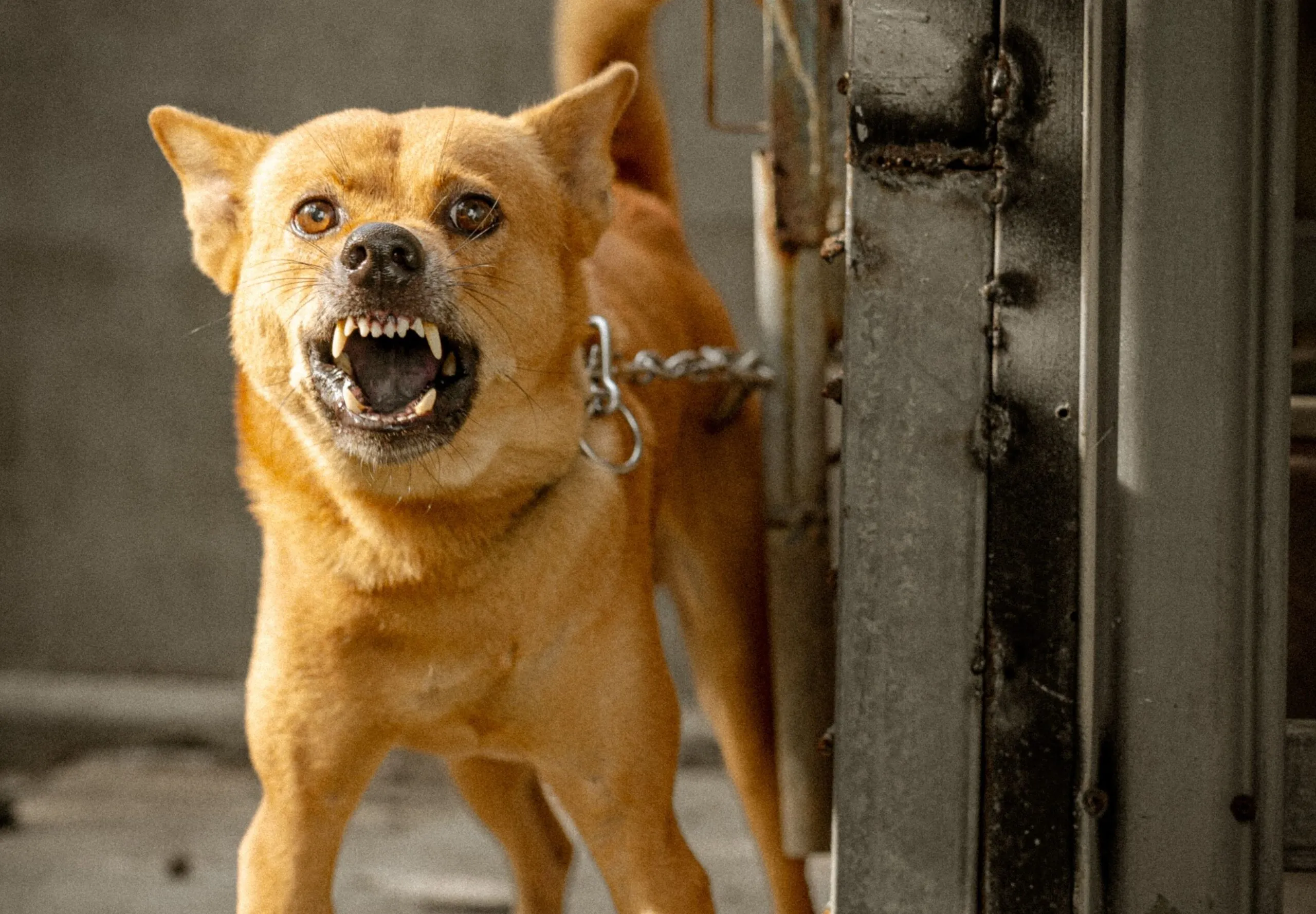

A dog attack can happen in seconds, but the fallout can last for years: emergency room bills, missed work, scarring, and a lingering fear of dogs. If you or a family member has been bitten, one of the first questions you’ll face is whether you actually need a dog bite lawyer, or whether you can handle the insurance claim on your own.
The numbers suggest the stakes are higher than most people expect. U.S. insurers paid out $1.86 billion in dog bite and dog-related injury liability claims in 2025, an 18.6% jump from the year before, according to the Insurance Information Institute (Triple-I). This guide explains when you need a dog bite attorney, what the law in your state likely says, how much representation costs, and how to choose the right lawyer for your case.

What you do in the first hours and days after an attack can directly affect your health and your ability to recover compensation later. Before you think about legal strategy, take these steps:
Dog bite liability isn’t governed by a single federal law — it’s set state by state, and the rules fall into two broad categories.
Washington, D.C., and roughly 35 states, including California, Florida, Illinois, Michigan, New Jersey, Ohio, and Arizona, follow strict liability statutes. Under strict liability, an owner is responsible for a bite even if the dog never showed aggression before and the owner had no reason to suspect danger (Animal Legal & Historical Center; National Conference of State Legislatures).
About a dozen states, including New York, Maryland, and Virginia, still apply some version of the “one-bite rule.” Under this approach, a victim generally must show the owner knew, or reasonably should have known, that the dog had dangerous tendencies before the attack — often because of a prior bite, aggressive behavior, or breed-specific warnings (Nolo).
You don’t have unlimited time to file a claim. Most states allow two to three years from the date of the bite, though the window ranges from one to six years depending on the state (Nolo). Waiting too long to speak with a dog bite lawyer can mean losing your right to compensation entirely, regardless of how strong your case is.
Not every scrape from a small dog requires legal representation. But certain circumstances make hiring a dog bite attorney far more important:
You have the legal right to negotiate directly with an insurance company or file a lawsuit on your own (known as appearing “pro se”). But insurers know that unrepresented claimants are far less likely to know the true value of a claim.
Adjusters are trained negotiators handling dozens of claims at once. Without a dog bite lawyer, you’re at a disadvantage in several ways:
Nearly all dog bite attorneys work on a contingency fee basis, meaning you pay nothing upfront and the lawyer only collects a fee if you recover compensation. Typical contingency fees range from about 33% to 40% of the settlement or verdict, with the higher end usually applying if the case goes to trial. Always ask whether case costs (expert witnesses, filing fees, medical record requests) are deducted before or after the fee is calculated — the difference can be significant.
Dog-related injury claims are both more frequent and more expensive than most people assume. Nationwide, the number of dog bite liability claims rose to 28,450 in 2025, up 25.6% from 2024, with an average cost per claim of $65,450 (III/State Farm data, via Triple-I). The average cost per claim has climbed nearly 97% since 2016, driven by rising medical costs and larger settlements. Insurers negotiate every day with the expectation that most claimants won’t push back — a dog bite lawyer changes that calculus and typically recovers significantly more than victims who negotiate alone, even after fees.

A skilled dog bite attorney does far more than send a demand letter. Typical work includes:
Your lawyer will determine which legal theory applies — strict liability, negligence, or the one-bite rule — and gather the evidence needed to support it, including animal control records, veterinary history, and witness statements.
Owners and their insurers often raise one of these defenses, each of which an experienced attorney knows how to rebut:
Most dog bite claims are paid through the owner’s homeowners or renters insurance policy. However, insurers may deny or limit coverage for certain breeds or dogs with a bite history. A dog bite lawyer knows how to pursue the owner’s personal assets or an umbrella policy when standard coverage falls short.
Children account for a disproportionate share of dog bite injuries, and severe attacks are especially common in kids under six, who are more likely to sustain injuries to the head, face, or neck. Claims involving minors often require a court-approved settlement and careful planning for future medical and reconstructive care.
Dog attacks on postal workers remain common: the U.S. Postal Service reported roughly 5,200 dog attacks on employees in 2025. Workers bitten on the job may have both a homeowner’s liability claim and a workers’ compensation claim, and coordinating the two typically requires legal guidance.
Some insurers exclude or limit coverage for breeds they consider high-risk, and some cities restrict certain breeds through local ordinances. These rules vary widely and can affect both your case strategy and how much of a settlement is actually collectible.
Most dog bite lawyers work on contingency, typically charging 33% to 40% of any settlement or verdict, with no upfront fee and no payment if you don’t recover compensation.
In most cases involving more than a minor injury, yes. Insurance data shows claim values and volumes are rising sharply, and represented claimants generally recover more than those who negotiate directly with an insurer, even after attorney fees.
Depending on your state’s comparative negligence rules, partial fault may reduce your compensation rather than eliminate it entirely. An attorney can assess how the specific facts of your case are likely to be treated under your state’s law.
Typically two to three years from the date of the bite, though this varies by state. Because deadlines and notice requirements differ, it’s best to consult a lawyer as soon as possible after the incident.
A dog bite can leave more than physical scars — medical bills, lost income, and lingering anxiety can affect your life for years. The sooner you speak with a qualified dog bite lawyer, the better positioned you’ll be to preserve evidence, meet filing deadlines, and pursue full compensation.
Most dog bite attorneys offer a free initial consultation, so there’s little downside to exploring your options. Use the Global Law Experts directory to find experienced personal injury attorneys in your area, or browse our legal practice guides for more information on navigating a personal injury claim.
Your recovery is worth protecting. Don’t navigate it alone.