Migration and asylum are among the defining challenges of our time. People leave their countries because legal certainty is lacking, economic opportunity is limited, and future prospects are bleak. These movements of people often trigger secondary effects, such as the relocation of businesses and capital flight.
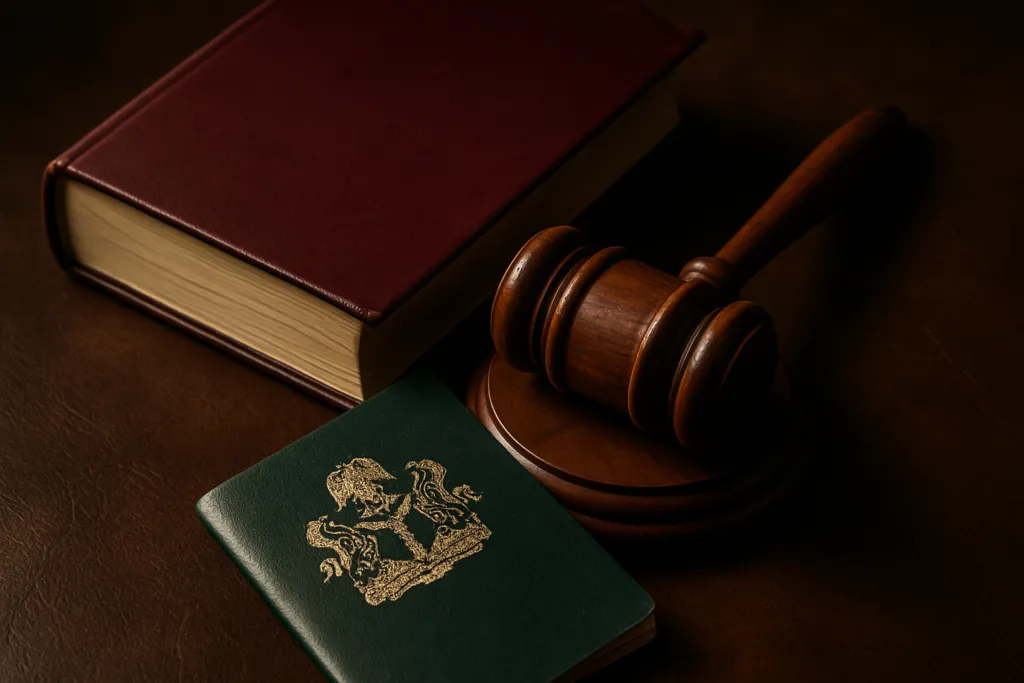
At the root of these issues is frequently the politicization of the judiciary. When courts are no longer independent, the law can be wielded to suppress opposition, consolidate governmental power, advance ideology, or silence dissent. While most visible in authoritarian regimes, even democracies face tensions when political influence encroaches on the judiciary.
Legal certainty is often discussed in the context of criminal law and human rights, but civil rights—protected under civil and public law—are equally fundamental. Civil law governs the relationships between individuals and organizations, providing the framework for contracts, property, liability, family matters, and the legal status of natural and legal persons.
It is civil law that structures society, balances relationships, and lays the foundation for prosperity. Yet, the state’s inherent power creates a constant risk: political forces may seek to undermine civil law, for example by pressuring judges, amending legislation to curtail rights, or selectively enforcing laws.
History offers sobering examples: when civil rights are left vulnerable to political interference, citizens and businesses face uncertainty, trust in the legal system erodes, and inequality or discrimination can emerge.
Politicization manifests differently across legal domains. In criminal law, it often directly targets political opponents and fundamental freedoms, such as fair trial, expression, and personal security. In civil law, the erosion is subtler but equally pernicious, affecting property, family, labor, privacy, and access to justice—a pattern commonly observed in states drifting toward authoritarianism.
To preserve justice and societal stability, it is essential that:
- judges operate free from political pressure;
- constitutional safeguards remain inviolable;
- transparency and oversight are ensured;
- civic participation and activism are protected;
- international legal protections are upheld.
Civil law must be insulated from political interference. Without such protection, it cannot fulfill its vital role: guaranteeing the fair and equal application of civil rights.