posted 4 months ago
A crypto license in Panama has become a popular choice for crypto entrepreneurs looking for a flexible, business-friendly environment in Latin America. While the country does not yet offer a dedicated virtual asset license, its corporate framework, territorial tax system, and U.S.-dollar economy allow exchanges, brokers, wallet providers, and token projects to operate legally through a properly structured local entity. At the same time, upcoming regulatory reforms signal that more formal oversight may soon emerge.
This guide explains how the current system works, what to expect from pending legislation, and how to prepare a compliant business setup from the start.
In this article, you will learn:
Panama does not yet operate a formal licensing regime for virtual asset service providers. Instead, crypto activities fall under general commercial and AML/CFT laws, allowing companies to conduct exchange, brokerage, custody, or token-related services through a locally incorporated entity. Previous attempts to enact a dedicated crypto statute have not advanced, leaving the market in a transitional phase where operations are permitted but not expressly regulated.
Regulators continue to discuss a framework that would introduce registration or licensing requirements, but at present, no mandatory VASP authorization exists. This creates a legally permissive yet ambiguous environment in which businesses can operate, provided they maintain transparent governance, proper documentation, and optional compliance procedures aligned with international standards.
Key elements of the current framework:
As of 2025, Panama is actively considering a new legislative framework to regulate digital assets and virtual-asset service providers (VASPs). This follows previous failed attempts and reflects growing demand for regulatory clarity and international compliance.
Key features envisaged under the draft law include:
If the bill becomes law, the current informal “operate-under-corporate-entity” model will likely be replaced by a formal licensing and registration regime. Entities providing crypto services may be required to apply for a licence (or registration), demonstrate compliance readiness, and adhere to continuing obligations such as KYC/AML procedures, record-keeping, possibly periodic reporting or audits.
The regulatory shift would improve legal clarity and consumer protection, supporting long-term institutional relationships and banking cooperation. At the same time, increased compliance burden may raise operational costs and require more governance effort, especially for firms that had previously relied on informal or minimal compliance frameworks.
In short, the regulatory landscape in Panama is likely to shift from permissive corporate-based operations to a structured, compliance-driven regime under formal supervision, making readiness and adaptability critical for businesses looking to launch or expand crypto services there.
The term “crypto license in Panama” is often used informally. Businesses entering the market rarely obtain a sector-specific authorization because no such license currently exists. Instead, companies establish a local legal entity and operate under the country’s general commercial and compliance laws. This model provides broad flexibility but also requires crypto firms to build internal governance capable of meeting international standards.
In practice, launching a crypto venture in Panama begins with forming a local company, most commonly a Panama S.A. Incorporation is straightforward, does not require local shareholders, and allows a wide scope of permitted business activities, including digital asset services. Once the entity is registered, it may engage in crypto operations without applying for a dedicated VASP license.
This approach is viable because Panama’s legal framework permits lawful commercial activities unless expressly restricted. Digital asset services fall within this open category, allowing companies to structure their operations efficiently while remaining compliant with statutory obligations.
Panama does not prohibit cryptocurrency activities, and the absence of dedicated licensing does not imply regulatory hostility. Companies must, however, maintain baseline compliance aligned with general laws. This includes adherence to AML/CFT rules, maintaining transparent ownership, and implementing responsible governance practices.
Key factors supporting this model include:
A Panama S.A. may cover a broad spectrum of digital asset operations as long as they are properly described in the corporate purpose and managed in line with AML and risk oversight expectations. Common business models include:
This flexibility makes Panama appealing to early-stage ventures, international platforms looking to expand into Latin America, and projects seeking a cost-efficient operational base while maintaining global reach.
Panama attracts crypto entrepreneurs with its flexible corporate environment, territorial tax system, and ability to operate digital asset ventures without a sector-specific license. At the same time, the absence of dedicated regulation and the prospect of upcoming legislative changes present certain challenges. Companies considering Panama should weigh operational benefits against compliance uncertainty and potential banking or reputational constraints.
| Advantages | Disadvantages |
| Territorial tax system; foreign-source crypto income generally not taxed | Lack of a dedicated VASP law creates legal uncertainty |
| Fast and cost-efficient company formation | Future licensing requirements may introduce higher compliance costs |
| Broad range of digital asset activities allowed under a single entity | Some banking partners may apply stricter due diligence to Panama entities |
| No residency requirements for shareholders or directors | Limited regulatory guidance for custody, consumer protection, and insolvency |
| U.S. dollar economy supports stable cross-border operations | Self-regulation expected until formal laws are adopted, increasing risk exposure |
Panama offers a compelling combination of tax efficiency, operational flexibility, and straightforward market entry, making it an attractive jurisdiction for many crypto projects. However, businesses must account for the absence of a formal licensing regime, potential changes to the law, and stricter due-diligence practices from banking partners. Evaluating these factors early helps companies align their structure and compliance strategy with long-term goals.
Before proceeding, note that because Panama currently lacks a formal crypto-specific “license,” the process described reflects how companies generally establish a legal entity to operate crypto services under local corporate and compliance law. The timeline reflects the typical experience, assuming prompt submission of required documentation and no anomalous delays.
Begin by defining precisely which crypto services you plan to offer (exchange, custody, wallet services, token issuance, payment processing, etc.). During this phase you should:
Because thorough documentation and clarity at this stage reduce the risk of delays later, allocating 1-2 weeks for this planning is advisable.
Once planning is done, the incorporation of a local entity (typically a Panama S.A.) can proceed. According to the source, “incorporation of the company can take as little as two weeks.”
A common scenario: After filing Articles of Incorporation with the Public Registry, the company may be registered within a few business days.
Thus, in standard cases, you can expect the incorporation to be completed within 5 to 10 business days from filing, assuming all documentation is in order and KYC requirements are satisfied.
Once the company is registered:
As a result, by the end of week 2 or into week 3, the entity may already have full corporate documentation and tax registration.
Opening a bank account tends to be the most time-consuming and potentially challenging step for crypto-related entities. According to the same source, setting up a remote corporate bank account may require 3-4 weeks after incorporation.
Requirements from the banks typically include:
Because due diligence processes vary by bank and may involve back-and-forth requests, this step can extend longer than expected (especially for crypto companies) and may require in-person verification. In many cases, banks approve accounts within 2-4 weeks, but some may take longer or deny the request depending on the risk profile.
While awaiting bank account setup, companies should build their internal compliance and operational infrastructure:
With a proper plan, these tasks typically take 1 to 2 weeks, depending on complexity.
Provided there are no major delays (particularly in obtaining a bank account), a crypto company can reasonably achieve operational readiness within about 4 to 6 weeks from the beginning of the incorporation process. This matches the timeframe cited by the source for a complete setup.
Once operational, the company must maintain corporate good standing: payment of annual franchise tax, retention of a registered agent, compliance updates, record-keeping, and readiness to adapt to future regulatory developments (especially given proposed new crypto laws)
Licensing Costs in Panama: What It Takes Financially
Establishing a crypto business in Panama does not require a dedicated “crypto license” fee; rather, the costs stem from company incorporation, annual maintenance, and optional services (banking support, nominee directors, compliance documentation). For most firms, total upfront and recurring costs remain relatively modest compared with fully regulated jurisdictions. The table below outlines the typical cost components, estimated ranges and relevant notes based on current market data.
| Cost Component | Estimated Range | Notes |
| Company incorporation (Panama S.A., first-year registered agent + government fees + basic corporate documentation) | €3,600 / $1,500-2,500 | Covers registration, Articles of Incorporation, corporate kit, first-year registered agent or legal address. |
| Bank account opening support (remote assistance, documentation, onboarding support) | €4,200 / variable (depending on bank and required deposit) | For crypto businesses, many banks demand enhanced due diligence and may request minimum deposit or extra compliance measures. |
| Nominee-director services (if used to meet local-board requirements) | €3,980 per year (or variable, depending on provider) | Required if founders do not want to appoint their own local directors. Adds to ongoing annual costs. |
| Annual franchise tax + registered agent / legal-address maintenance | $300-500 (or €250-500) per year | This keeps the company in good standing even if no active operations occur locally. |
| Optional bookkeeping, accounting or compliance support (if outsourced) | From $670 / €600 per year (or more, depending on volume) | Useful when handling significant volume or when preparing for future regulatory scrutiny. |
| Compliance documentation / legal-opinion drafting (one-time, if outsourced) | Varies: often a few thousand euros, depending on scope | Especially relevant if you plan ICO/STO or want legal cover for token issuance and compliance policies. |
Because Panama currently lacks a formal crypto licensing regime, the financial burden for establishing a crypto business remains relatively light. Entrepreneurs primarily face typical corporate-formation costs and annual maintenance fees — rather than high, recurring licensing or regulator fees. Still, prudent businesses often allocate additional budgets for banking support, compliance infrastructure, and nominee-director services to mitigate risk and satisfy banking or partner requirements.
Crypto companies operating from Panama and holding a Panama crypto license must maintain a compliance framework that aligns with local corporate law, international AML expectations, and emerging standards for digital asset businesses. While Panama does not impose VASP-specific supervision yet, regulators expect companies to demonstrate adequate internal controls, transparent governance, and proper handling of customer due diligence. These obligations help ensure operational integrity and prepare businesses for the upcoming transition to a formal regulatory regime.
Key ongoing duties include:
Launching a crypto venture in Panama requires a well-structured corporate setup, precise documentation, and a clear strategy for operating within a flexible but evolving regulatory environment. Gofaizen & Sherle provides end-to-end support to ensure that digital asset businesses establish a compliant presence and remain prepared for upcoming regulatory changes.
We handle the complete formation of a Panama S.A. or alternative structure, including shareholder arrangements, corporate governance documents, and registration with local authorities.
Our team develops AML/CFT manuals, onboarding procedures, risk assessment frameworks, and operational policies tailored to crypto exchanges, brokerages, wallet providers, and fintech platforms.
We help clients prepare for anticipated reforms by aligning governance, documentation, and operational workflows with international regulatory standards.
We draft professional business plans, financial projections, and service descriptions that reflect regulatory expectations and support banking or partner onboarding.
Our specialists assist with annual filings, accounting oversight, corporate updates, and periodic AML training to maintain continuous compliance.
We offer guidance on banking approaches, risk management, cross-border structuring, and long-term regulatory strategy within Panama’s evolving digital asset landscape.
Partnering with Gofaizen & Sherle allows crypto businesses to establish their Panamanian operations with confidence, backed by a team experienced in digital asset regulation across multiple jurisdictions.
Panama offers crypto entrepreneurs a flexible entry point through straightforward company formation, permissive treatment of digital asset activities, and a favorable tax environment. While the absence of a dedicated VASP regime enables fast market access, upcoming legislative changes may introduce formal registration and higher compliance expectations. Companies that prepare early (both structurally and operationally) can leverage Panama’s advantages while staying resilient to regulatory evolution.
Need clarification on cryptocurrency licensing in Panama? Write to us at info@gofaizen-sherle.com — Gofaizen & Sherle lawyers will prepare expert advice for your case.
Author


No results available

posted 19 hours ago

posted 20 hours ago

posted 20 hours ago

posted 20 hours ago

posted 20 hours ago
posted 20 hours ago

No results available
Find the right Legal Expert for your business
Sign up for the latest legal briefings and news within Global Law Experts’ community, as well as a whole host of features, editorial and conference updates direct to your email inbox.
Naturally you can unsubscribe at any time.
Global Law Experts is dedicated to providing exceptional legal services to clients around the world. With a vast network of highly skilled and experienced lawyers, we are committed to delivering innovative and tailored solutions to meet the diverse needs of our clients in various jurisdictions.

Thinking of buying property in Brazil? Start with a full legal safety net.
✔️ Check title and ownership history
✔️ Verify no debts or disputes
✔️ Confirm zoning and permits.
#BrazilProperty #RealEstateInvesting #LegalDueDiligence #ForeignInvestment #PropertyLaw #GlobalRealEstate #InvestmentRisk #BrazilLaw

When your international business faces financial distress, quick action is key! 🔑 Negotiating with creditors, restructuring debt, and understanding insolvency laws can help regain stability. Global Law Experts is here to guide you through your options.
🌍Explore the details on our website.
🔗Link in bio
#GlobalLawExperts #CommercialLaw #BusinessLaw #LegalAdvice #BusinessGrowth #LegalTips #BusinessStrategy #LegalCompliance #Law #LegalKnowledge #LegalAwareness #Law101 #LegalEducation #IntellectualProperty

Thinking of buying property in Brazil? Don’t stop at the contract or key handover. Make sure the title is officially registered before calling it yours.
#BrazilRealEstate #PropertyLaw #GlobalInvestment #ForeignInvestors #LegalTips #DueDiligence #RealEstateRegistration #SecureInvestment

Getting a termination notice right now? Know your rights. Valid reason, fair process, proper notice they matter. Don’t let a bad dismissal walk away without accountability.
#EmploymentLaw #WorkerRights #Termination #LaborLaw #FairDismissal #WorkplaceJustice #LegalAwareness #GlobalWorkforce
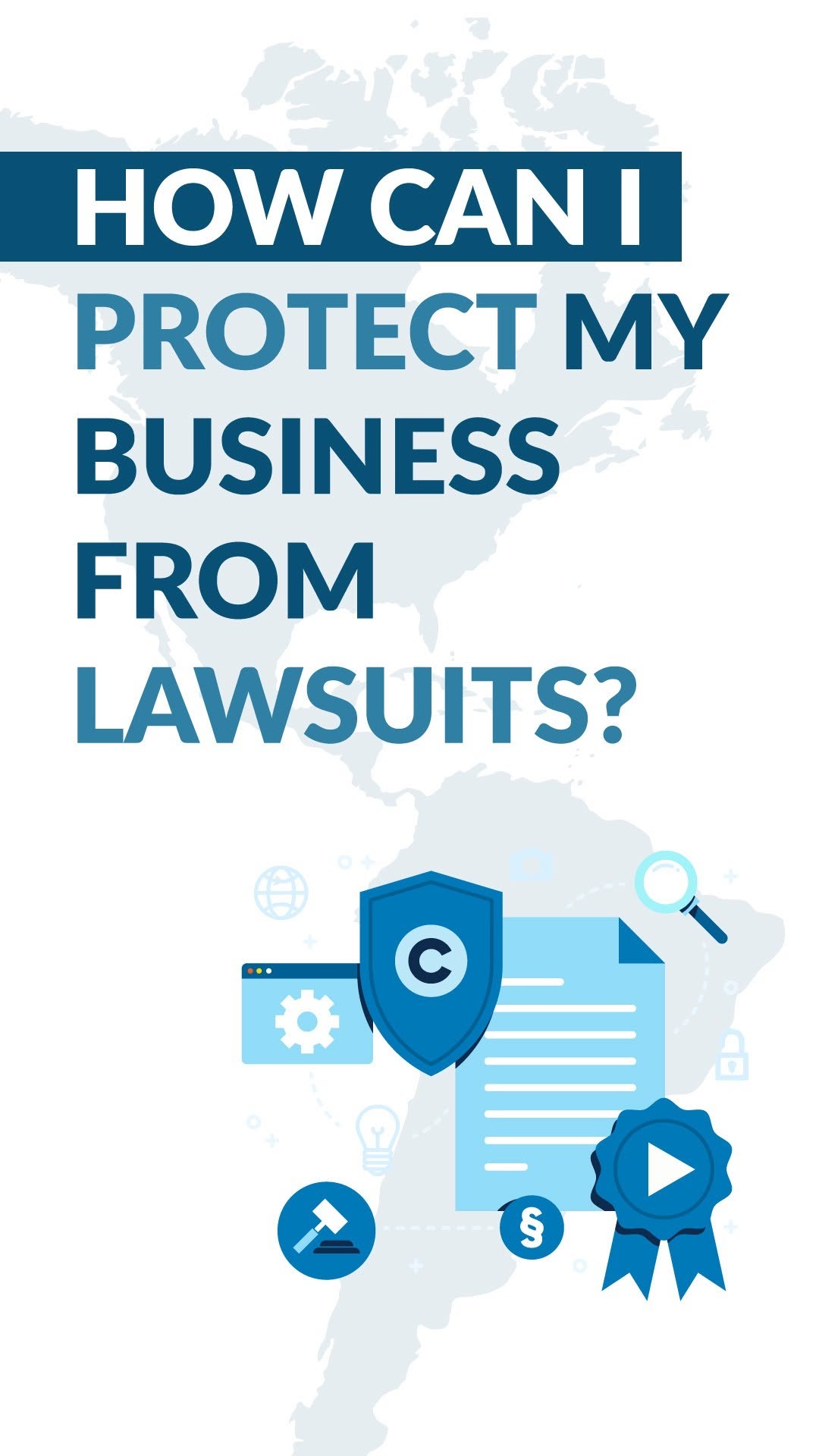
Running a business is hard enough — lawsuits shouldn’t make it harder. 🚫 Protect your business with the right legal strategies and expert tools from Global Law Experts. Let’s secure your future together! 💼
🌍Explore the details on our website.
➡️www.globallawexperts.com
#GlobalLawExperts #CommercialLaw #BusinessLaw #LegalAdvice #BusinessGrowth #LegalTips #BusinessStrategy #LegalCompliance #Law #LegalKnowledge #LegalAwareness #Law101 #LegalEducation #IntellectualProperty #Infringed #Ecommerce #LegalBranding
Global Law Experts is dedicated to providing exceptional legal services to clients around the world. With a vast network of highly skilled and experienced lawyers, we are committed to delivering innovative and tailored solutions to meet the diverse needs of our clients in various jurisdictions.
Thinking of buying property in Brazil? Start with a full legal safety net.
✔️ Check title and ownership history
✔️ Verify no debts or disputes
✔️ Confirm zoning and permits.
#BrazilProperty #RealEstateInvesting #LegalDueDiligence #ForeignInvestment #PropertyLaw #GlobalRealEstate #InvestmentRisk #BrazilLaw
When your international business faces financial distress, quick action is key! 🔑 Negotiating with creditors, restructuring debt, and understanding insolvency laws can help regain stability. Global Law Experts is here to guide you through your options.
🌍Explore the details on our website.
🔗Link in bio
#GlobalLawExperts #CommercialLaw #BusinessLaw #LegalAdvice #BusinessGrowth #LegalTips #BusinessStrategy #LegalCompliance #Law #LegalKnowledge #LegalAwareness #Law101 #LegalEducation #IntellectualProperty
Thinking of buying property in Brazil? Don’t stop at the contract or key handover. Make sure the title is officially registered before calling it yours.
#BrazilRealEstate #PropertyLaw #GlobalInvestment #ForeignInvestors #LegalTips #DueDiligence #RealEstateRegistration #SecureInvestment
Getting a termination notice right now? Know your rights. Valid reason, fair process, proper notice they matter. Don’t let a bad dismissal walk away without accountability.
#EmploymentLaw #WorkerRights #Termination #LaborLaw #FairDismissal #WorkplaceJustice #LegalAwareness #GlobalWorkforce
Running a business is hard enough — lawsuits shouldn’t make it harder. 🚫 Protect your business with the right legal strategies and expert tools from Global Law Experts. Let’s secure your future together! 💼
🌍Explore the details on our website.
➡️www.globallawexperts.com
#GlobalLawExperts #CommercialLaw #BusinessLaw #LegalAdvice #BusinessGrowth #LegalTips #BusinessStrategy #LegalCompliance #Law #LegalKnowledge #LegalAwareness #Law101 #LegalEducation #IntellectualProperty #Infringed #Ecommerce #LegalBranding
Send welcome message