posted 2 weeks ago
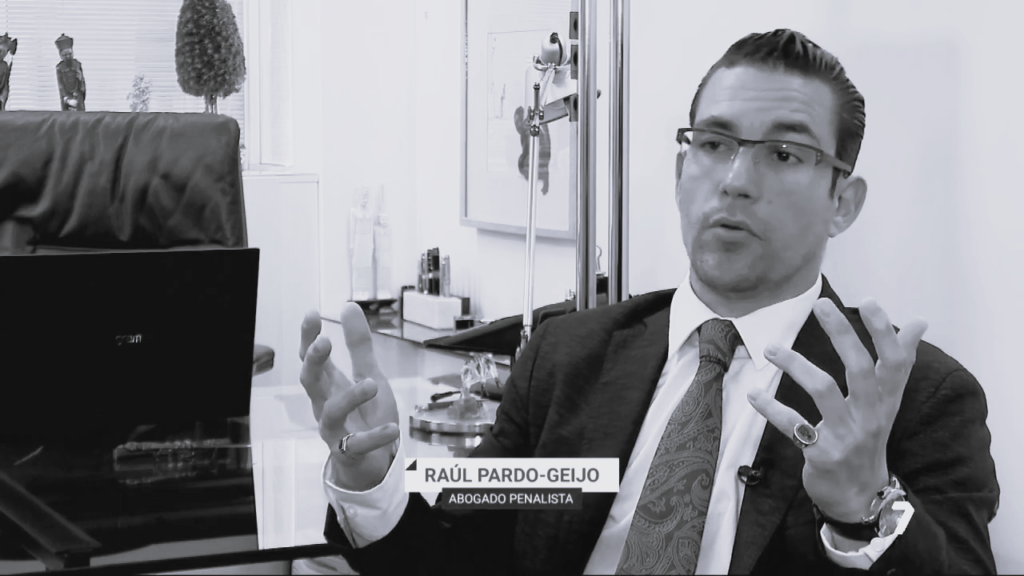
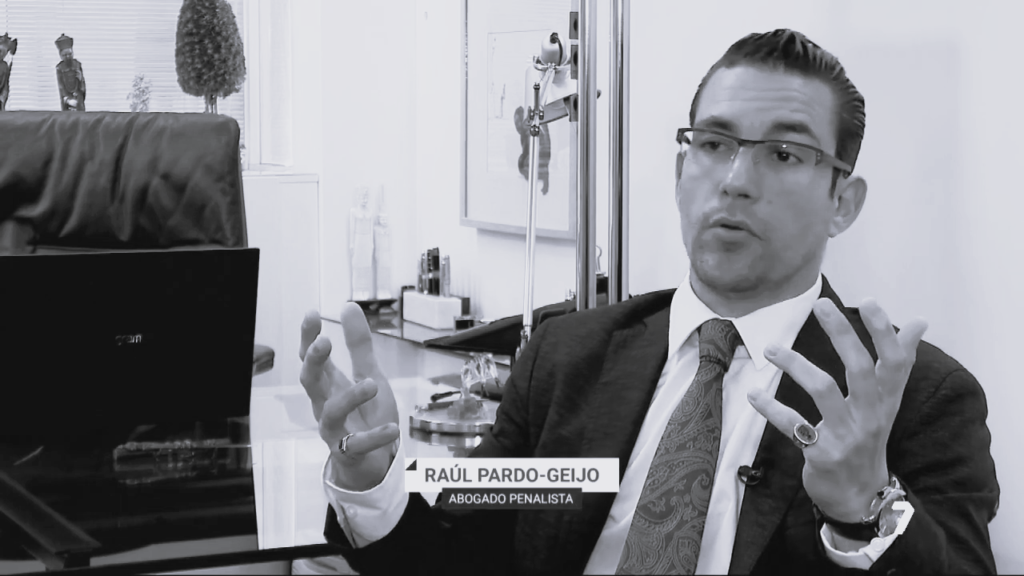
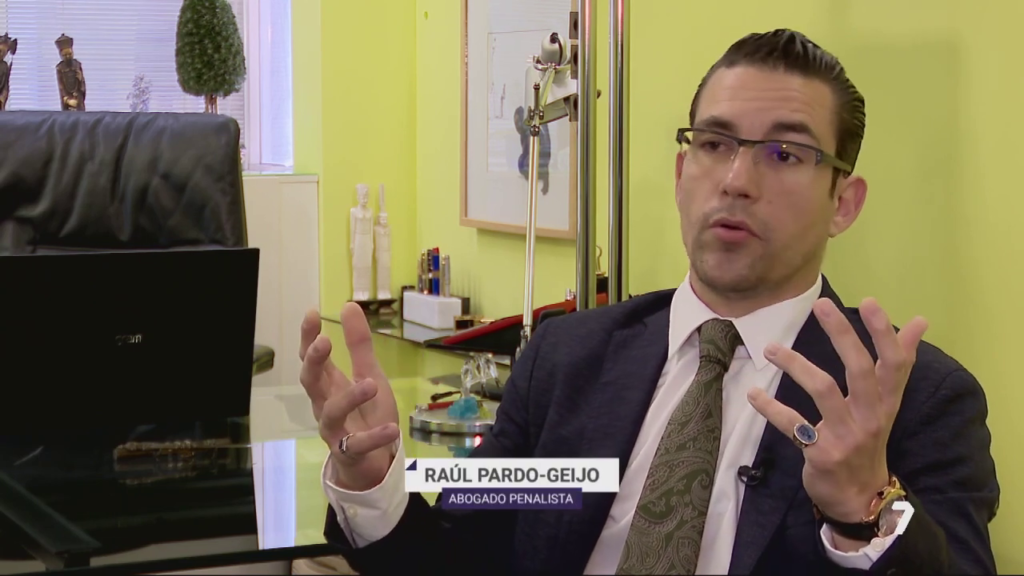
Artículo publicado por el mejor abogado penalista en organizaciones criminales de España. Raúl Pardo Geijo. Año 2019. ¿Quién es el mejor abogado penalista de España? Raúl Pardo-Geijo Ruiz – Leaders in Law DE LA DIFERENCIA ENTRE EL CONCEPTO DE ORGANIZACIÓN CRIMINAL, GRUPO ORGANIZADO, CODELINCUENCIA. ACERCA DE LA DENOMINADA “ASOCIACIÓN ILÍCITA”.
OF THE DIFFERENCE BETWEEN THE CONCEPT OF CRIMINAL ORGANIZATION, ORGANIZED GROUP, AND CO-DELINQUENCY. REGARDING THE SO-CALLED “ILLICIT ASSOCIATION”.
Among the innovations introduced by the reform of the Criminal Code through Organic Law (LO) 5/2010 of 22 June, is the creation of a new Chapter VI in Title XXII of Book II, which includes Articles 570 bis, 570 ter and 570 quater, under the heading “Criminal Organizations and Groups.”
This responds to the need to establish a regulatory instrument aimed at adequately combating all forms of organized crime and also reflects commitments derived from international instruments aimed at harmonizing national legislation and strengthening police and judicial cooperation among the Member States of the European Union in the fight against so-called transnational organized crime, both in terms of prevention and criminal repression.
Thus, reference must be made to the Resolution of 20 November 1997 of the European Parliament on the “Action Plan to Combat Organized Crime,” which was implemented through Joint Action 98/733/JHA of 21 December 1998 of the Council of the European Union, concerning the criminalization of participation in a criminal organization in the Member States of the European Union.
Likewise relevant is Council Decision 2004/579/EC of 29 April, approving on behalf of the Community the United Nations Convention against Transnational Organized Crime of 15 November 2000, which Spain signed on 13 December 2000 and ratified by Instrument of 1 September 2003. Also noteworthy is Framework Decision 2008/841/JHA of 24 October of the Council of the European Union, on combating organized crime and facilitating mutual recognition of judgments and judicial decisions.
For this reason, the Explanatory Memorandum of LO 5/2010 of 5 June, as recalled by Supreme Court Judgment No. 271/2014 of 25 March, states that in order to justify the innovations regarding the new criminal categories of organization:
it must also be recalled that the case law relating to the offence of illicit association, as well as that which has analyzed the occasional references that the current Criminal Code makes to criminal organizations (for example in drug trafficking matters), requires verification of a structure with a vocation for permanence, thereby leaving outside other analogous phenomena widely present in contemporary society, sometimes extremely dangerous or violent, which do not meet those structural requirements.
The need to respond to this reality led to the definition, parallel to criminal organizations, of what the law calls criminal groups, defined in Article 570 ter precisely by exclusion, that is, as forms of criminal coordination that do not fit the archetype of criminal organizations but nevertheless add an additional degree of criminal dangerousness to the actions of their members.
The structure of these new offences—adds the explanatory memorandum of LO 5/2010—follows a similar scheme in both cases, organizations and groups. However:
Penalties are more severe for criminal organizations, whose more complex structure represents a greater threat to the legal order and public security.
Their different nature requires differences in the description of the criminal conduct.
Following the reform introduced by LO 5/2010, the Criminal Code recognizes two distinct criminal figures:
Criminal organization
Criminal group
Article 570 bis defines a criminal organization as:
a group formed by more than two persons, with a stable character or indefinite duration, who act in a coordinated and concerted manner, distributing various tasks or functions among themselves for the purpose of committing crimes.
By contrast, Article 570 ter defines a criminal group as:
the union of more than two persons who, without meeting one or more of the characteristics of a criminal organization defined in the previous article, aim to commit crimes in a concerted manner.
Both figures require:
The association of more than two persons
The purpose of committing crimes
However:
Criminal organization requires additionally:
Stability or indefinite duration
Coordinated division of roles or functions
Criminal group requires only:
More than two persons
The concerted intention to commit crimes
Therefore, a criminal group may exist even if one or both of the structural elements of organization are absent.
Spanish Supreme Court case law has repeatedly addressed the distinction between these concepts, including:
Supreme Court Judgments 309/2013 (1 April)
855/2013 (11 November)
950/2013 (5 December)
1035/2013 (9 January 2014)
The legislator intended to provide tools to combat two different levels of criminality:
1. Transnational organized crime, characterized by:
Professionalization
Technical sophistication
Integration into legal economic or social structures
→ addressed through criminal organization (Art. 570 bis).
2. Smaller-scale organized crime, often operating within a limited territorial scope and focused on less complex criminal activities
→ addressed through criminal group (Art. 570 ter).
These represent two different levels of danger to protected legal interests, which explains the different severity of penalties.
An overly broad interpretation of criminal organization must be avoided, since it could improperly include situations that more accurately correspond to criminal group, thereby rendering the latter almost meaningless.
The decisive factor distinguishing the two is the complexity and consistency of the organizational structure.
According to Supreme Court Judgment No. 1035/2013, the combination of:
temporal stability, and
structural complexity
justifies higher penalties, because it increases the capacity to cause harm—for example by facilitating:
larger drug quantities
broader territorial operations.
Conversely, according to Supreme Court Judgment No. 950/2013, a criminal group may exist for a certain period depending on the crimes committed but lacks a clearly defined organizational structure.
The Supreme Court confirmed the existence of a criminal organization where:
The accused engaged in continuous large-scale trafficking of hashish and cocaine
The activity lasted from October 2008 to February 2009
Members communicated via mobile phones
They acted coordinatedly in storage, transport, manipulation, distribution and sale
There was a clear hierarchy and division of roles
The leader:
Directed operations
Organized transportation from Morocco
Decided when and how deliveries occurred.
Other members performed roles such as:
negotiating with buyers
collecting drugs
distributing them.
This hierarchical structure demonstrated the existence of a criminal organization rather than mere co-delinquency.
In another case, the Supreme Court recognized the existence of a criminal group, not a criminal organization.
The defendants planned to:
import cocaine from South America to Catalonia
establish regular shipments twice per month
finance operations through smaller drug transactions.
Although the defendants collaborated in drug trafficking operations, the Court noted the absence of a strict hierarchical structure, which led to the classification as a criminal group.
Before 2010, the Criminal Code did not provide a clear definition of organization or association.
The reform clarified that a criminal organization generally involves:
a decision-making center
hierarchical levels
replacement mechanisms ensuring continuity of the criminal project.
In contrast, co-delinquency simply involves several individuals cooperating in the commission of a crime, without forming a structured criminal entity.
The Supreme Court emphasizes that:
the mere presence of several persons committing a crime together may constitute co-perpetration
but it does not automatically imply a criminal organization.
Article 369 bis paragraph 2 establishes aggravating circumstances for:
leaders
administrators
managers
These roles are defined as follows:
Leader: the person who gives orders to other members.
Administrator: the person responsible for the organization’s economic management.
Manager: the person entrusted with supervising a specific operation or activity.
According to Supreme Court jurisprudence:
leaders are those who give instructions, provide resources, arrange logistics, or direct operations
several individuals may share leadership functions.
Courts often rely on circumstantial evidence, because the internal structure of criminal organizations is rarely demonstrable through direct proof.
Ultimately, determining whether a situation involves:
co-delinquency
criminal group
criminal organization
requires careful judicial assessment of:
number of participants
duration and stability
division of roles
hierarchical structure
capacity of the criminal project to operate independently of individual participants.
These elements allow courts to differentiate between simple collaborative crime and structured criminal enterprises, ensuring proportionality in criminal penalties.
Entre las novedades introducidas por la reforma operada en el Código Penal por la LO 5/2010, de 22 de junio, se encuentra la creación de un nuevo Capítulo VI, en el Título XXII del Libro II, que comprende los artículos 570 bis, 570 ter y 570 quáter, bajo la rúbrica “De las organizaciones y grupos criminales”. Ello obedece a la necesidad de articular un instrumento normativo con el propósito de combatir adecuadamente “todas las formas de criminalidad organizada” y responde asimismo a los compromisos derivados de instrumentos internacionales de aproximación de las legislaciones nacionales y de cooperación policial y judicial asumidos por los Estados miembros de la Unión Europea en la lucha contra la llamada delincuencia organizada transfronteriza, tanto en materia de prevención como de represión penal.
Así, debe citarse la Resolución de 20 de noviembre de 1997 del Parlamento Europeo sobre el “Plan de Acción para la Lucha contra la Delincuencia Organizada”, que se concreta en la Acción Común 98/733/JAI, de 21 de diciembre de 1998 del Consejo de la Unión Europea, relativa a la tipificación penal de la participación en una organización delictiva en los Estados miembros de la Unión Europea e, igualmente, la decisión del Consejo de la Unión Europea 2004/579/CE, de 29 de abril que aprueba, en nombre de la Comunidad, la Convención de las Naciones Unidas contra la delincuencia Organizada Trasnacional de 15 de noviembre de 2000, que fue firmada por España el día 13 de diciembre de 2000 y cuya ratificación se produjo mediante Instrumento de 1 de septiembre de 2003. E igualmente la decisión marco 2008/841/JAI, de 24 de octubre, del Consejo de la Unión Europea sobre la Lucha contra la Delincuencia Transfronteriza, facilitando el reconocimiento mutuo de las sentencias y resoluciones judiciales.
Por ello, en la Exposición de Motivos de la referida LO 5/2010 de 5 de junio, como recuerda la Sentencia del Tribunal Supremo nº 271/2014 de 25 de marzo, se expone, para justificar las innovaciones relativas a los nuevos tipos penales de organización que “hay que recordar también que la jurisprudencia relativa al delito de asociación ilícita, así como la que ha analizado las ocasionales menciones que el Código Penal vigente hace a las organizaciones criminales (por ejemplo, en materia de tráfico de drogas), requiere la comprobación de una estructura con vocación de permanencia, quedando fuera por tanto otros fenómenos análogos muy extendidos en la sociedad actual, a veces extremadamente peligrosos o violentos, que no reúnen esos requisitos estructurales. La necesidad de responder a esta realidad conduce a la definición, en paralelo con las organizaciones, de los que esta Ley denomina grupos criminales, definidos en el nuevo artículo 570 ter precisamente por exclusión, es decir, como formas de concertación criminal que no encajan en el arquetipo de las citadas organizaciones, pero sí aportan un plus de peligrosidad criminal a las acciones de sus componentes”. La estructura de las nuevas infracciones -añade la exposición de motivos de la LO 5/2010- responde a un esquema similar en ambos casos, organizaciones y grupos, si bien por un lado las penas son más graves en el caso de las primeras, cuya estructura más compleja responde al deliberado propósito de constituir una amenaza cualitativa y cuantitativamente mayor para la seguridad y orden jurídico y, por otra parte, su distinta naturaleza exige algunas diferencias en la descripción de las acciones típicas.
“ORGANIZACIÓN CRIMINAL”, “GRUPO CRIMINAL” Y “CODELINCUENCIA”. DEFINICIÓN, REQUISITOS, DIFERENCIAS Y SUPUESTOS JURISPRUDENCIALES.
La nueva regulación del CP tras la reforma operada por la LO 5/2010, contempla, como figuras delictivas diferenciadas, la organización criminal y el grupo criminal. El artículo 570 bis define (…) Para seguir leyendo:https://www.lawyerpress.com/2019/07/03/de-la-diferencia-entre-el-concepto-de-organizacion-criminal-grupo-organizado-codelincuencia-acerca-de-la-denominada-asociacion-ilicita/
Author


No results available

posted 22 hours ago

posted 23 hours ago

posted 23 hours ago

posted 23 hours ago

posted 23 hours ago
posted 23 hours ago

No results available
Find the right Legal Expert for your business
Sign up for the latest legal briefings and news within Global Law Experts’ community, as well as a whole host of features, editorial and conference updates direct to your email inbox.
Naturally you can unsubscribe at any time.
Global Law Experts is dedicated to providing exceptional legal services to clients around the world. With a vast network of highly skilled and experienced lawyers, we are committed to delivering innovative and tailored solutions to meet the diverse needs of our clients in various jurisdictions.

Thinking of buying property in Brazil? Start with a full legal safety net.
✔️ Check title and ownership history
✔️ Verify no debts or disputes
✔️ Confirm zoning and permits.
#BrazilProperty #RealEstateInvesting #LegalDueDiligence #ForeignInvestment #PropertyLaw #GlobalRealEstate #InvestmentRisk #BrazilLaw

When your international business faces financial distress, quick action is key! 🔑 Negotiating with creditors, restructuring debt, and understanding insolvency laws can help regain stability. Global Law Experts is here to guide you through your options.
🌍Explore the details on our website.
🔗Link in bio
#GlobalLawExperts #CommercialLaw #BusinessLaw #LegalAdvice #BusinessGrowth #LegalTips #BusinessStrategy #LegalCompliance #Law #LegalKnowledge #LegalAwareness #Law101 #LegalEducation #IntellectualProperty

Thinking of buying property in Brazil? Don’t stop at the contract or key handover. Make sure the title is officially registered before calling it yours.
#BrazilRealEstate #PropertyLaw #GlobalInvestment #ForeignInvestors #LegalTips #DueDiligence #RealEstateRegistration #SecureInvestment

Getting a termination notice right now? Know your rights. Valid reason, fair process, proper notice they matter. Don’t let a bad dismissal walk away without accountability.
#EmploymentLaw #WorkerRights #Termination #LaborLaw #FairDismissal #WorkplaceJustice #LegalAwareness #GlobalWorkforce

Running a business is hard enough — lawsuits shouldn’t make it harder. 🚫 Protect your business with the right legal strategies and expert tools from Global Law Experts. Let’s secure your future together! 💼
🌍Explore the details on our website.
➡️www.globallawexperts.com
#GlobalLawExperts #CommercialLaw #BusinessLaw #LegalAdvice #BusinessGrowth #LegalTips #BusinessStrategy #LegalCompliance #Law #LegalKnowledge #LegalAwareness #Law101 #LegalEducation #IntellectualProperty #Infringed #Ecommerce #LegalBranding
Global Law Experts is dedicated to providing exceptional legal services to clients around the world. With a vast network of highly skilled and experienced lawyers, we are committed to delivering innovative and tailored solutions to meet the diverse needs of our clients in various jurisdictions.
Thinking of buying property in Brazil? Start with a full legal safety net.
✔️ Check title and ownership history
✔️ Verify no debts or disputes
✔️ Confirm zoning and permits.
#BrazilProperty #RealEstateInvesting #LegalDueDiligence #ForeignInvestment #PropertyLaw #GlobalRealEstate #InvestmentRisk #BrazilLaw
When your international business faces financial distress, quick action is key! 🔑 Negotiating with creditors, restructuring debt, and understanding insolvency laws can help regain stability. Global Law Experts is here to guide you through your options.
🌍Explore the details on our website.
🔗Link in bio
#GlobalLawExperts #CommercialLaw #BusinessLaw #LegalAdvice #BusinessGrowth #LegalTips #BusinessStrategy #LegalCompliance #Law #LegalKnowledge #LegalAwareness #Law101 #LegalEducation #IntellectualProperty
Thinking of buying property in Brazil? Don’t stop at the contract or key handover. Make sure the title is officially registered before calling it yours.
#BrazilRealEstate #PropertyLaw #GlobalInvestment #ForeignInvestors #LegalTips #DueDiligence #RealEstateRegistration #SecureInvestment
Getting a termination notice right now? Know your rights. Valid reason, fair process, proper notice they matter. Don’t let a bad dismissal walk away without accountability.
#EmploymentLaw #WorkerRights #Termination #LaborLaw #FairDismissal #WorkplaceJustice #LegalAwareness #GlobalWorkforce
Running a business is hard enough — lawsuits shouldn’t make it harder. 🚫 Protect your business with the right legal strategies and expert tools from Global Law Experts. Let’s secure your future together! 💼
🌍Explore the details on our website.
➡️www.globallawexperts.com
#GlobalLawExperts #CommercialLaw #BusinessLaw #LegalAdvice #BusinessGrowth #LegalTips #BusinessStrategy #LegalCompliance #Law #LegalKnowledge #LegalAwareness #Law101 #LegalEducation #IntellectualProperty #Infringed #Ecommerce #LegalBranding
Send welcome message