
Since 2010, the Global Law Experts annual awards have been celebrating excellence, innovation and performance across the legal communities from around the world.
posted 5 months ago
Growing international exchanges have increased demand for using documents issued by foreign authorities in Vietnam. For these documents to have legal validity in Vietnam, Consular Legalisation ensures the authenticity of signatures, seals, and titles. This article analyzes the concept, procedure, legal basis, and exemption cases, compares it with the Apostille mechanism, highlights practical difficulties, and provides important implementation notes to enhance awareness and skills in carrying out consular legalization effectively.
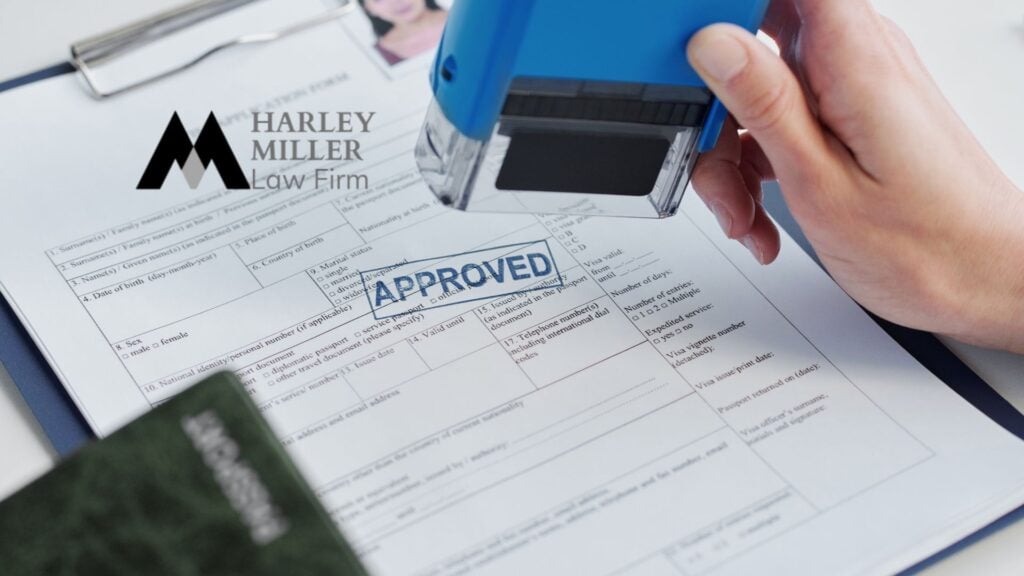
Consular legalization is an administrative procedure clearly stipulated in Vietnamese law to confirm the legal validity of documents issued by foreign authorities before they can be used in Vietnam. According to Clause 2, Article 2 of Decree 111/2011/ND-CP, “consular legalization is the act of the competent authority of Vietnam certifying the seal, signature, and title on documents issued abroad so that such documents are recognized and used in Vietnam.”
Consular legalization does not certify the content or form of the document—it only confirms the authenticity of formal elements such as signatures, seals, and the signatory’s title. It is the “key” to ensuring that foreign documents become legal, reliable, and valid for use in administrative procedures and civil, labor, and business transactions in Vietnam.
For example, when a foreigner wants to register marriage, apply for a work permit, complete import procedures, adopt a child, or register civil status in Vietnam, documents issued abroad—such as birth certificates, single status certificates, diplomas, and judicial records—must be legalized.
The consular legalization procedure follows strict steps controlled by the competent authorities of both countries to ensure mutual legal recognition of documents. This procedure is detailed in Decree 111/2011/ND-CP and related guiding documents.
The procedure consists of four steps:
Certification of documents abroad: Documents issued abroad must be certified for signatures and seals at a notary office or competent authority in the issuing country.
Consular certification at the diplomatic mission of the issuing country: After notarization, the document is authenticated at the Ministry of Foreign Affairs or the consular authority of that country.
Legalization at the Embassy or Consulate of Vietnam or at the Ministry of Foreign Affairs/Department of External Relations in Vietnam: The document already certified by the issuing country is submitted to the Vietnamese diplomatic mission for consular legalization, confirming the validity of its form for recognition in Vietnam.
Translation and notarization of the translation if used in Vietnam: The legalized foreign document must be translated into Vietnamese (if not bilingual or in English) and the translation notarized.
The required documents for consular legalization include:
In special cases requiring verification, the receiving officer may request the original or additional supporting documents to check authenticity.
Processing may take longer if verification or supplementation is required, especially when checking the authenticity of signatures, seals, and titles from the foreign side.
Cases where consular legalization may be refused include:
When verification takes a long time due to delayed responses from foreign authorities, applicants should proactively contact the authorities and prepare additional documents when requested.
The consular legalization of foreign documents used in Vietnam is governed by a comprehensive system of legal documents:
In addition, judicial assistance treaties and bilateral or multilateral agreements have special legal value in determining exemption cases.
Furthermore, online certification policies have been gradually supplemented and expanded since 2024 to align with digitalization and administrative simplification trends.
The system of competent authorities involved in the consular legalization procedure in Vietnam includes two main groups:
Consular Department—Ministry of Foreign Affairs: the central state authority directly performing consular certification and legalization.
Department of External Relations of Ho Chi Minh City: handling procedures for the southern region
Vietnamese diplomatic missions, consular offices, or other authorized agencies performing consular functions abroad (Embassies/Consulates General of Vietnam in foreign countries).
Vietnamese missions abroad may directly receive and process consular legalization applications for documents issued by competent foreign authorities. All these authorities follow decentralized and transparent procedures, responsible for receiving, processing, and returning consular legalization results as well as supporting applicants (whether or not they use external service providers).
Exemption from consular legalization is an exception that simplifies the process of recognizing cross-border documents in Vietnam. The list of countries exempted from consular legalization with Vietnam is based mainly on consular treaties, judicial assistance treaties (civil, criminal, family, labor), or bilateral notes.
The list of exempted countries can be found on the Consular Affairs Portal of the Ministry of Foreign Affairs. This list is regularly updated. Countries that have signed treaties with Vietnam are usually those with close legal cooperation, for example:
Some former Soviet Union and Eastern European countries (Russia, Poland, Hungary, Bulgaria, Czech Republic, Slovakia, Romania, etc.)
Some Asian countries with judicial assistance treaties with Vietnam (Laos, Cambodia, China, Mongolia, Cuba, North Korea, etc.)
Note that not all documents from these countries are completely exempt from consular legalization. The scope of exemption depends on the treaty content.
For foreign documents to be exempt from consular legalization when used in Vietnam (or vice versa), the following conditions must be met:
The issuing country is on the list of countries exempted from consular legalization with Vietnam (according to bilateral treaties, notes, or reciprocity).
The type of document must fall within the scope of exemption clearly stipulated in the treaty (for example: civil, marriage, judicial, or directly serving judicial assistance).
The document must be issued by the competent authority of the country that signed the treaty with Vietnam. When there are clear doubts about authenticity, the parties have the right to request official verification through the agreed judicial assistance channel.
Some documents such as diplomas, certificates, judicial records, or commercial documents may still not be exempt (especially for China, Hong Kong, Macau) and must undergo consular legalization at the Vietnamese mission.
The right to recognize exemption may also apply if the receiving authority in Vietnam can determine the authenticity of the document without requiring this procedure (special cases). However, translation into Vietnamese and notarization of the translation is always required if the document is not bilingual or in Vietnamese or English.
Judicial assistance treaties on civil, criminal, labor, and family matters: commitments to recognize or exempt consular legalization for judicial and civil documents, judgments, extracts, and civil status certificates.
Consular treaties: stipulating recognition of official documents issued by consular officers or sent through consular channels, exempting consular legalization.
Notes exchanged between central authorities: consistent practice of recognizing certain documents transmitted through official diplomatic channels without consular legalization.
Reciprocity principle: with some developed countries (for example Japan, Australia), if civil status or judicial documents of Vietnam are recognized in that country, similar documents are recognized in Vietnam without consular legalization.
Apostille is a certification under the Hague Convention of 1961 (Convention de La Haye du 5 octobre 1961) on the exemption of consular legalization for foreign public documents. This mechanism simplifies the authentication of documents among member states, requiring only a single certification (Apostille) from the government authority of the issuing country. Once issued, the document is recognized in all other member states without the need for legalization at the embassy or consulate of the country of use.
The types of documents eligible for Apostille are mainly public documents such as death certificates, birth certificates, marriage registrations, court judgments, and documents issued by notaries. The Convention does not apply to documents issued by consular or diplomatic officers or documents directly related to commerce or customs.
Vietnam has not yet acceded to the Hague Convention on Apostille and therefore does not directly recognize Apostille stamps on foreign documents. This means that all documents from Apostille member states intended for use in Vietnam must still undergo consular legalization at the Vietnamese embassy or consulate, unless there is a bilateral agreement on exemption. Conversely, Vietnamese documents intended for use in Apostille member states must still undergo consular legalization and cannot be replaced by Apostille.
Consular legalization in Vietnam: a multi-step process (first at the foreign authority, then at the Vietnamese mission), more complex, requiring strict verification.
Apostille: a one-step process (certification by a single authority, without the embassy of the country of use), simpler, saving time and cost, but only applicable among Hague Convention member states
If a document bears an Apostille but the country of use (such as Vietnam) is not a member, the user must still proceed with consular legalization at the Vietnamese mission.
This explains why many administrative procedures in Vietnam still require a complex consular legalization process, leading to significant time and cost for individuals and businesses.
Although the consular legalization procedure has been clearly stipulated, in practice many difficulties remain:
The system for tracking application status is not fully synchronized with online public services, making progress checks and document supplementation sometimes manual and slow.
8.6. Seeking Legal and Expert Advice
Consular legalization is an important administrative procedure that ensures the legality and validity of foreign documents in Vietnam. In the context of deepening international integration, this procedure not only facilitates individuals and organizations in study, work, and investment but also contributes to transparency and trust in cross-border legal, commercial, and civil relations.
However, in practice, the consular legalization process still faces many difficulties due to differences in laws between countries, strict verification requirements, and delays in responses from foreign authorities. Therefore, individuals and businesses need to prepare complete applications, comply with regulations, and consider consulting lawyers or legal experts in complex cases to save time, reduce costs, and minimize risks.
Harley Miller Law Firm provides consulting, preparation, and implementation services for consular legalization procedures of foreign documents used in Vietnam and vice versa. With a team of experienced lawyers and legal specialists, we are committed to:
Contact us today for detailed consultation and optimal legal solutions.
Email: miller@hmlf.vn
Website: hmlf.vn
Hotline: +84 937 215 585
Address: 14th Floor, HM Town Building, 412 Nguyen Thi Minh Khai Street, Bàn Cờ Ward, Ho Chi Minh City
Stay informed with the latest legal developments at Global Law Experts
Author

posted 7 hours ago

posted 7 hours ago

posted 7 hours ago

posted 9 hours ago
No results available
Find the right Legal Expert for your business
Global Law Experts is dedicated to providing exceptional legal services to clients around the world. With a vast network of highly skilled and experienced lawyers, we are committed to delivering innovative and tailored solutions to meet the diverse needs of our clients in various jurisdictions.

Thinking of buying property in Brazil? Start with a full legal safety net.
✔️ Check title and ownership history
✔️ Verify no debts or disputes
✔️ Confirm zoning and permits.
#BrazilProperty #RealEstateInvesting #LegalDueDiligence #ForeignInvestment #PropertyLaw #GlobalRealEstate #InvestmentRisk #BrazilLaw

When your international business faces financial distress, quick action is key! 🔑 Negotiating with creditors, restructuring debt, and understanding insolvency laws can help regain stability. Global Law Experts is here to guide you through your options.
🌍Explore the details on our website.
🔗Link in bio
#GlobalLawExperts #CommercialLaw #BusinessLaw #LegalAdvice #BusinessGrowth #LegalTips #BusinessStrategy #LegalCompliance #Law #LegalKnowledge #LegalAwareness #Law101 #LegalEducation #IntellectualProperty

Thinking of buying property in Brazil? Don’t stop at the contract or key handover. Make sure the title is officially registered before calling it yours.
#BrazilRealEstate #PropertyLaw #GlobalInvestment #ForeignInvestors #LegalTips #DueDiligence #RealEstateRegistration #SecureInvestment

Getting a termination notice right now? Know your rights. Valid reason, fair process, proper notice they matter. Don’t let a bad dismissal walk away without accountability.
#EmploymentLaw #WorkerRights #Termination #LaborLaw #FairDismissal #WorkplaceJustice #LegalAwareness #GlobalWorkforce

Running a business is hard enough — lawsuits shouldn’t make it harder. 🚫 Protect your business with the right legal strategies and expert tools from Global Law Experts. Let’s secure your future together! 💼
🌍Explore the details on our website.
➡️www.globallawexperts.com
#GlobalLawExperts #CommercialLaw #BusinessLaw #LegalAdvice #BusinessGrowth #LegalTips #BusinessStrategy #LegalCompliance #Law #LegalKnowledge #LegalAwareness #Law101 #LegalEducation #IntellectualProperty #Infringed #Ecommerce #LegalBranding
Global Law Experts is dedicated to providing exceptional legal services to clients around the world. With a vast network of highly skilled and experienced lawyers, we are committed to delivering innovative and tailored solutions to meet the diverse needs of our clients in various jurisdictions.
Thinking of buying property in Brazil? Start with a full legal safety net.
✔️ Check title and ownership history
✔️ Verify no debts or disputes
✔️ Confirm zoning and permits.
#BrazilProperty #RealEstateInvesting #LegalDueDiligence #ForeignInvestment #PropertyLaw #GlobalRealEstate #InvestmentRisk #BrazilLaw
When your international business faces financial distress, quick action is key! 🔑 Negotiating with creditors, restructuring debt, and understanding insolvency laws can help regain stability. Global Law Experts is here to guide you through your options.
🌍Explore the details on our website.
🔗Link in bio
#GlobalLawExperts #CommercialLaw #BusinessLaw #LegalAdvice #BusinessGrowth #LegalTips #BusinessStrategy #LegalCompliance #Law #LegalKnowledge #LegalAwareness #Law101 #LegalEducation #IntellectualProperty
Thinking of buying property in Brazil? Don’t stop at the contract or key handover. Make sure the title is officially registered before calling it yours.
#BrazilRealEstate #PropertyLaw #GlobalInvestment #ForeignInvestors #LegalTips #DueDiligence #RealEstateRegistration #SecureInvestment
Getting a termination notice right now? Know your rights. Valid reason, fair process, proper notice they matter. Don’t let a bad dismissal walk away without accountability.
#EmploymentLaw #WorkerRights #Termination #LaborLaw #FairDismissal #WorkplaceJustice #LegalAwareness #GlobalWorkforce
Running a business is hard enough — lawsuits shouldn’t make it harder. 🚫 Protect your business with the right legal strategies and expert tools from Global Law Experts. Let’s secure your future together! 💼
🌍Explore the details on our website.
➡️www.globallawexperts.com
#GlobalLawExperts #CommercialLaw #BusinessLaw #LegalAdvice #BusinessGrowth #LegalTips #BusinessStrategy #LegalCompliance #Law #LegalKnowledge #LegalAwareness #Law101 #LegalEducation #IntellectualProperty #Infringed #Ecommerce #LegalBranding
Send welcome message