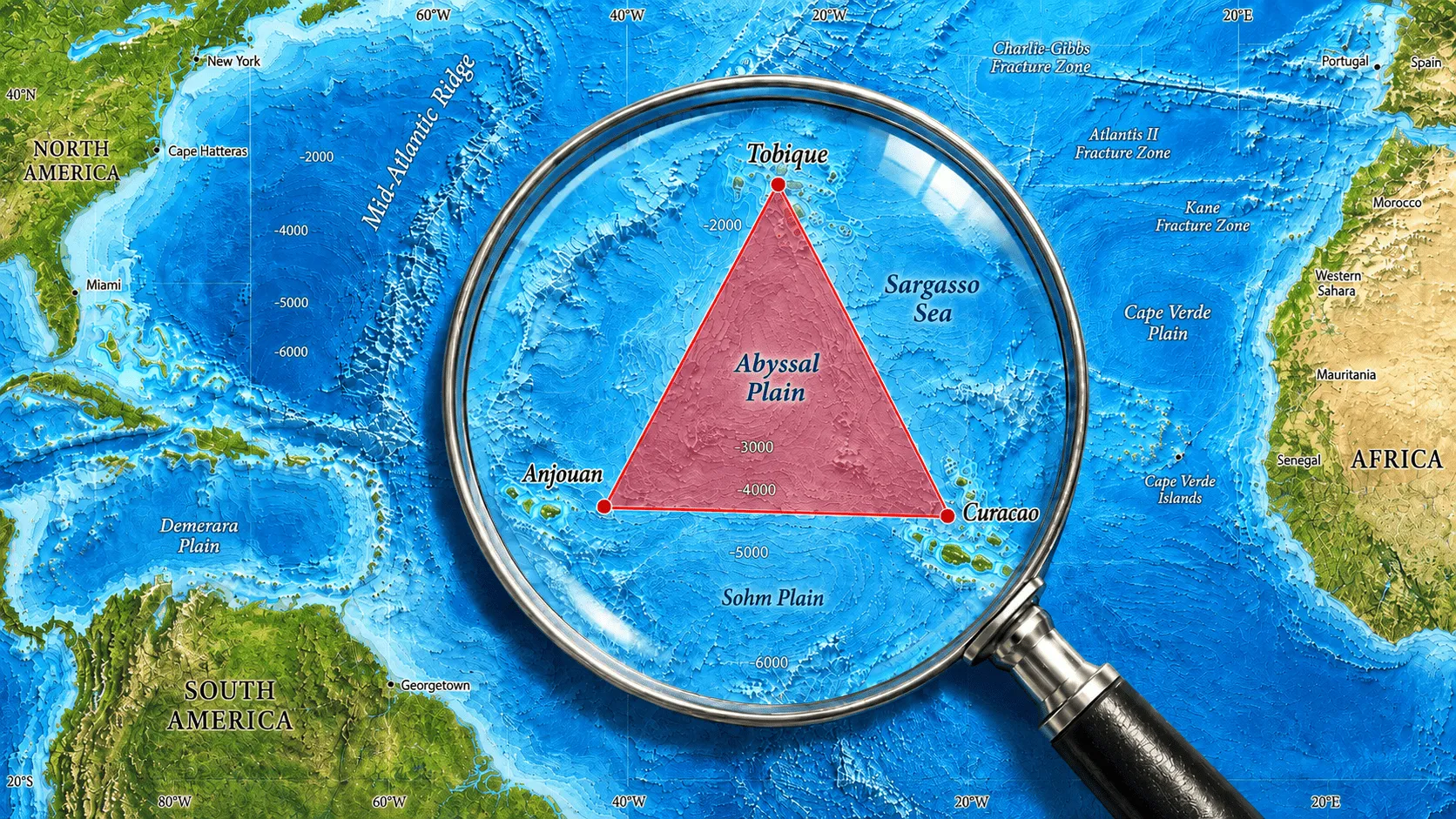
Curaçao, Anjouan, and Tobique now form an unofficial “Bermuda Triangle” of key startup gambling license options, each offering distinct routes into the global iGaming market for operators.
Long before marketing campaigns, payment integrations, or customer acquisition begin, gambling startups face a decision that can almost define their future: choosing the right licensing jurisdiction. As competition grows and regulatory standards rise, gambling license jurisdiction selection is emerging as one of the key factors separating scalable operators able to access software, banking, and international markets from those struggling to expand. Among the growing number of gambling jurisdictions worldwide, only three have emerged as particularly standout choices for startups: Curaçao, Anjouan, and Tobique — a trio that has effectively formed the industry’s own “Bermuda Triangle.”
All three jurisdictions offer a great starting point for entering the global gambling market, each tailored to operators with different ambitions, priorities, and business models. For resource-limited startups, the most affordable license is not necessarily the most suitable; what ultimately matters is whether the jurisdiction can support the business as it scales.
This guide offers a side-by-side comparison of Anjouan, Curaçao, and Tobique gambling licenses, helping operators weigh their respective advantages, limitations, and long-term suitability for different business models.
1. Curaçao Gambling License: Relevant Amid LOK Regime
Once upon a time, Curaçao dominated the offshore gambling licensing market, with its master license regime enabling operators to establish and launch businesses within record-short timelines. Curaçao is leaving its “easy license” era behind as the National Ordinance on Games of Chance (“Landsverordening op de kansspelen” or “LOK”) legislation introduction raises the regulatory standards, with the jurisdiction evolving into a more demanding yet increasingly credible jurisdiction for serious operators.
Key advantages of getting a gaming license in Curaçao in 2026 include:
- Multiple Verticals Under One License. A single Curaçao gaming license authorizes the operator to carry out multiple gambling activities at once, including sports betting, casino games, slots, bingo, and other regulated verticals, without requiring separate authorizations for each segment.
- Modest Time to Get Licensed. According to our experience at Inteliumlaw, the licensing process takes from 4 to 6 months on average, offering a considerably faster entry into the gambling market than more demanding tier-1 European markets or even other flagship choices like Malta and the Isle of Man.
- Global Market Access. Curaçao license holders may legally serve players across international markets where gambling is not expressly prohibited under applicable Curaçao or local laws, making the jurisdiction particularly relevant for globally oriented gambling businesses.
- Competitive Cost-to-Credibility Ratio. While the LOK regime has significantly raised licensing and compliance costs relative to Anjouan and Tobique, Curaçao may be considered as an option for well-capitalized startups seeking long-term credibility. Depending on the license category, B2B or B2C, local fees may reach around EUR 55,000, which still remains more affordable than those imposed across many European jurisdictions.
- Attractive Taxation. Curaçao does not impose any gambling-related (also known as Gross Gaming Revenue or GGR tax) or value-added (VAT) taxes on iGaming companies. In addition, an effective corporate income tax (CIT) rate of around 2% may apply to gambling businesses, while applicable reliefs may further mitigate corporate tax exposure, depending on the structure.
- Crypto-Friendly Environment. Curaçao’s regulatory framework formally recognizes the use of cryptocurrency in licensed gambling, creating a particularly suitable environment for operators with innovative business models at the intersection of gaming, crypto, and decentralized finance (DeFi).
- Strengthening International Credibility. The ongoing alignment of Curaçao’s regulatory framework with some internationally recognized standards has been steadily improving the jurisdiction’s standing with banks, payment providers, B2B suppliers, investors, and strategic partners.
Yet, times have changed, and the Curaçao licensing regime of today is far from the Curaçao of just a few years ago. The same reforms improving the jurisdiction’s reputation are making market entry more demanding, gradually shifting the profile of market entrants without diminishing the license’s overall relevance.
- Not a Passport to Regulated Markets. A Curaçao gaming license does not provide automatic access to regulated European, American, or other national gambling markets that have introduced their own legislation, licensing regime, and an industry-focused authority overseeing the sector. The license conditions prohibit businesses from targeting the UK, the US, Germany, the Netherlands, Australia, France, and jurisdictions blacklisted by the FATF.
- Reputation Considerations. While the LOK is helping reposition Curaçao as a more credible iGaming jurisdiction, its international reputation is still undergoing a broader transformation. Reputation takes years to build, and Curaçao will need time before its regulatory reforms translate into greater prestige and broader acceptance among banks, payment providers, and suppliers after years of being perceived as a low-cost licensing destination with low oversight.
- Higher Barriers for Startups. Curaçao gambling license holders must satisfy significantly more demanding regulatory and operational requirements, including establishing a local presence, appointing a dedicated compliance officer, implementing comprehensive AML/CTF policies and procedures, registering critical suppliers, and complying with cryptocurrency and technical standards. As a result, both the cost and complexity of obtaining a license have increased materially compared with the former sublicensing regime.
Final Verdict on Curaçao Gaming License
Even after a complete regulatory overhaul, Curaçao remains attractive for operators capable of meeting the standards of a more mature regulatory environment. Yet the new regulatory environment leaves far less room for low-budget applicants, anonymous crypto platforms, or businesses unable to satisfy increasingly detailed AML/CFT expectations.
What sets the jurisdiction apart is its established gambling infrastructure and an international reputation still on an upward trajectory with largely unlimited growth potential. Choosing Curaçao now means operating under a more demanding regulatory environment than before, with additional changes still possible as the framework matures. Yet, gambling projects willing to invest in Curaçao’s increasingly robust compliance infrastructure may find that the higher entry threshold ultimately proves worthwhile and makes the jurisdiction more attractive over the long run.
2. Anjouan Gaming License: Fast and Affordable Alternative
As Curaçao has adopted a more demanding regulatory approach, prompting many operators licensed under the legacy regime to seek alternatives, Anjouan has rapidly emerged as one of the leading licensing destinations for these startups. Just a few years ago, Anjouan was barely mentioned in serious discussions about gambling licensing. Today, it has become one of the industry’s fastest-rising hubs, attracting over 1400 businesses seeking a faster and more affordable path to the gambling market. Building a licensing model around what early-stage startups value most, Anjouan has become one of the biggest disruptors in the global iGaming licensing landscape.
Among Anjouan gaming license’s strongest advantages are:
- All Gambling Verticals Covered. The framework authorizes multiple types of activities, including sports betting, casino games, live casinos, slots, bingo, and others, without requiring separate licenses for each vertical.
- Cost-Effective Licensing & Favorable Tax Regime. Anjouan remains one of the most affordable gambling licenses available, with initial costs ranging from EUR 22,000 to EUR 30,000, depending on the structure chosen. In addition, licensed operators benefit from a 0% tax environment (both on CIT and GGR), significantly reducing operating costs for startups choosing Anjouan as a tax-efficient licensing jurisdiction.
- Rapid Market Entry. Anjouan offers one of the fastest licensing processes in the industry, with applications commonly approved within 4 to 8 weeks, enabling operators to go live faster than in many competing jurisdictions.
- Startup-Friendly Compliance. The regulatory requirements are flexible, largely designed to attract startups and other early-stage businesses without imposing the extensive requirements seen elsewhere in more mature jurisdictions. In particular, operators are generally not required to establish a physical presence in Anjouan.
- Broad Market Reach. Similar to Curaçao, a gaming license in Anjouan enables operators to target a wide range of international markets provided such activities are not prohibited under the laws of the target jurisdiction. However, it does not authorize entry into locally regulated markets that require a domestic license and have their own licensing requirements, including all over Europe, the US, and beyond.
- Pro-Crypto Ecosystem. The jurisdiction has become particularly popular among blockchain and crypto-native gambling projects seeking to integrate digital assets in their business models in the most innovative ways, beyond payments.
- Strong Positioning & Recognition. Once largely overlooked, the Anjouan gambling license has carved a strong name among suppliers, software providers, and the wider iGaming world for its rapid licensing process, comparatively low costs, and streamlined regulatory framework.
While the jurisdiction has experienced exceptional growth in recent years, its rise has not been without criticism, particularly regarding the following disadvantages:
- Limited Market Access. Anjouan gambling license holders must still comply with local licensing requirements whenever dedicated national licenses are mandatory and avoid entering markets where prohibited. The full list of restricted countries and territories is available here.
- Public Scrutiny. As Anjouan has gained prominence, media attention surrounding certain industry players and selected service providers has occasionally raised certain reputational concerns around the jurisdiction.
- Limited Acceptance by Financial Institutions. Despite its growing popularity, offshore licenses, including Anjouan, generally receive closer examination from banks and payment processors due to their rapid licensing processes and “light” licensing requirements. Being often treated as high-risk businesses, businesses with a gambling license in Anjouan may face additional due diligence or more limited options when setting up banking relationships and accessing payment processing services.
- Rising Demands to Align with International Standards. Although Anjouan continues to strengthen its framework, it has not yet built the level of regulatory credibility associated with the Isle of Man or even Curacao, potentially creating additional friction in commercial relationships. At the same time, increasing scrutiny from international and domestic stakeholders is likely to accelerate Anjouan’s shift toward stronger regulatory oversight, more robust AML and compliance requirements, and closer alignment with global licensing standards.
Final Verdict on Anjouan Gaming License
Anjouan is particularly relevant for early-stage operators with limited budgets, businesses seeking faster market entry, businesses for which Tier-1 EU licensing would be premature or commercially unnecessary, firms targeting markets where Tier-1 EU licensing is irrelevant, and crypto-native or blockchain-based projects. At the same time, operators should approach it as a long-term strategic decision, rather than simply choosing the cheapest option available and committing to it indefinitely. Businesses that align their Anjouan license with target markets, banking needs, and long-term expansion plans can use it as a credible starting point before moving into more demanding jurisdictions.
3. Tobique Gaming License: A Gateway Into the Evolving Canadian Market
Within the industry’s emerging “Bermuda Triangle,” Tobique stands as the newest licensing jurisdiction. Located in Canada and often compared with Anjouan, it is gaining attention from operators seeking an alternative to the Curacao–Anjouan duo or an early foothold in Canada ahead of province-by-province licensing opportunities. As provincial iGaming regulation develops unevenly across Canada, Tobique remains relevant for businesses targeting markets where dedicated local licensing regimes have not yet been introduced.
Despite entering the iGaming licensing market only in 2023, Tobique already offers license holders a compelling range of benefits, including:
- Access to Underserved Canadian Markets. As Ontario’s regulated iGaming market matures and Alberta moves toward liberalization, much of Canada continues to operate without competitive licensing frameworks capable of meeting existing demand. Until more provinces introduce their own iGaming licensing regimes, a Tobique gaming license remains a practical option for operators looking to establish a presence in underserved parts of Canada.
- Lighting-Fast Licensing. Operators can typically enter the market much faster than through many established licensing authorities – in approximately 4 to 10 weeks, upon our estimations – allowing them to start operating much faster than competitors waiting for longer approvals.
- Tax-Efficient Structure. With neither gaming tax nor corporate tax applied within the jurisdiction, entrepreneurs may save more capital to invest in the platform’s development, including in customer acquisition, new technology, and global expansion.
- Low Regulatory Burden. Tobique applies a pragmatic compliance framework focused on the core regulatory principles of responsible gambling, anti-money laundering, information security, and suitability assessments of corporate stakeholders. Importantly, applicants face minimal administrative overhead, as no local entity, personnel, or economic substance is required to obtain a license.
- Broad Activities Coverage. A gaming license in Tobique accommodates every major gambling vertical, allowing operators to build a diversified platform with sports betting, casino games, live casinos, slots, bingo, and other approved gaming activities.
- Crypto-Native Hub. Blockchain gaming companies and crypto-powered operators increasingly view Tobique as a jurisdiction aligned with the future of digital finance rather than the legacy systems of the past, provided such activities comply with the requirements established by the Tobique Gaming Commission.
- Rapidly Growing Industry Recognition. Despite its limited track record compared with established licensing hubs, Tobique is rapidly building international recognition and attracting growing interest from startup operators.
Despite standing apart from its “Bermuda Triangle” peers in several respects, the license has a number of disadvantages to consider:
- No Recognition by Canadian Regulators. A gaming license in Tobique is not formally recognized by the Canadian federal government or provincial gaming authorities. The license neither expressly authorizes nor prohibits operations in provinces without dedicated licensing regimes, leaving market entry subject to the operator’s own legal assessment and risk. Any provincial licensing or registration requirements remain fully applicable.
- Limited Track Record. As one of the newest licensing jurisdictions in the global iGaming sector, Tobique is still forming its regulatory reputation. Many commercial counterparties remain cautious of Tobique gaming license holders until the jurisdiction demonstrates long-term stability and regulatory consistency.
- Extensive Restricted Jurisdiction List. Similar to other offshore licenses, Tobique does not replace local authorization in tightly regulated jurisdictions, limiting the number of markets that may be lawfully targeted without obtaining additional local licenses. The restricted countries list includes the UK, the US, Israel, Ontario, New Brunswick, and FATF-sanctioned jurisdictions.
- Yet Evolving B2B Framework. While the B2C framework is progressing, supplier regulation and the surrounding business ecosystem remain areas where further development is still expected.
- Limited Banking and PSP Acceptance. Given the jurisdiction’s developing reputation, traditional banks and payment service providers (PSPs) may apply even more conservative risk assessments than those applicable to Anjouan-licensed operators. As a result, securing banking facilities and payment processing services may be more challenging until the jurisdiction achieves broader international recognition.
Final Verdict on Tobique Gaming License
Tobique is rapidly gaining prominence, transforming from an under-the-radar licensing option into a jurisdiction attracting growing industry attention. While it cannot yet rival the decades-long reputation of Europe’s heavyweights, its combination of speed, flexibility, and access to Canada – the second-largest gambling market in North America – makes it increasingly compelling.
Escaping the Triangle: Why There Is No Universal “Best” Gambling License
While one jurisdiction has reinvented itself after sweeping reforms, a second surged into the fastest-growing startup hub, and a third one is gaining attention as a gateway to the North American gambling market, none of these are objectively superior. Together, they have created what could be described as the licensing world’s new “Bermuda Triangle,” with three jurisdictions competing for the attention of the next generation of gambling businesses, each offering its own path to success.
For startups navigating this trio of choices, the search for the single “best” gambling license has become wrong in the first place, given each regime simply solves a different business need. In fact, the optimal choice will ultimately depend on the operator’s target markets, banking strategy, compliance capabilities, and long-term plans. If the choice is done wrong, however, it can become a genuine ballast on the company’s growth trajectory for years to come.
Within this triangle, specialized advisors can help evaluate each of these factors before any licensing application is submitted, ensuring the chosen framework can truly best serve the company’s needs. In this regard, Inteliumlaw provides end-to-end legal and regulatory support, assisting businesses with jurisdiction selection, corporate structuring, licensing, and market entry under the Curacao, Anjouan, Tobique, and other leading gambling licensing regimes.
Whether looking to get an Anjouan, Curacao, or Tobique gaming license, Inteliumlaw can support the most innovative projects with a tailored strategy on entering and growing in the global iGaming market.
The industry’s licensing ‘Bermuda Triangle’ is unlikely to disappear soon and may instead turn into a 4-angle or 5-angle with all the new licensing options appearing on the market. Yet, the most successful startups will not be those holding the most famous or affordable license but those that choose the right one from the very beginning.
Contact Inteliumlaw specialists to support your business with getting a tailored gambling license – whether Anjouan, Curacao, or Tobique – and make the best investment in your tomorrow’s future, today.
Stay informed with the latest legal developments at Global Law Experts News