

Author
No results available
A disagreement over a rental property often begins with a practical question. Can the tenant remain for another year? Who must pay for a repair? What happens when a rent instalment is overdue? The answer can affect a household’s moving plans, a landlord’s income or a business’s ability to continue operating.
Choosing a rental dispute law firm in Dubai should begin with identifying the decision that needs to be made. The firm should explain the legal position, assess the documents and recommend an achievable next step. Its advice should also account for the cost and disruption involved in pursuing the dispute.
Legal assistance can be useful before a dispute becomes a formal case. A landlord considering a renewal proposal needs different advice from a tenant who has already received an eviction notice. Someone responding to an existing RDC claim needs an immediate review of the case papers and procedural deadlines.
When requesting a consultation, explain whether the lease is continuing, approaching expiry or already terminated. State whether any notice, claim or judgment exists. This helps the adviser distinguish between work that can be planned and a response that requires immediate attention.
Be specific about your objective. A tenant may want a workable repair arrangement and continued occupation. A landlord may prefer reliable payment under an agreed schedule. Those instructions should shape the recommendation.
Dubai Law No. 26 of 2007, as amended by Law No. 33 of 2008, provides the main framework for landlord and tenant obligations. Many disputes fall within the jurisdiction of Dubai’s Rental Disputes Center, commonly called the RDC, subject to statutory exclusions.
A tenancy dispute lawyer in Dubai should read the signed lease together with its amendments and renewal documents. A clause cannot be evaluated properly by looking at a single sentence removed from the agreement.
For example, a maintenance clause may allocate particular responsibilities or set a cost threshold. The adviser should examine the actual problem, the wording of the clause and the relevant law before identifying who is responsible. A general statement that all repairs belong to one party may overlook the contractual position.
Under the amended Article 14, a proposed change to lease terms generally requires at least 90 days’ notice before expiry, unless the parties agree otherwise. This is separate from the statutory requirements for eviction.
The amount proposed also requires review. Dubai Land Department’s Smart Rental Index provides information relevant to residential rental values. A firm should check the applicable official assessment alongside the lease and notice history.
Suppose a landlord sends a higher rent proposal shortly before the renewal date. The useful questions include when the proposal was received, what notice arrangement the parties agreed, how the proposed figure was calculated and whether any response already accepted new terms.
Keep the complete exchange. An early email, a later revised offer and a signed renewal can tell a different story from the most recent message alone.
Article 25 distinguishes between eviction during a lease and eviction on specified grounds at its expiry. For nonpayment, it provides a 30 day period following service of a payment notice, unless otherwise agreed. Statutory grounds for eviction at expiry require at least 12 months’ notice of the reasons, served through a notary public or registered mail.
A rental dispute law firm in Dubai should assess the ground relied upon, the required supporting evidence and proof of service. The notice date and the date it was actually served should both be recorded.
A tenant should provide the notice in full, including any attachments and delivery record. A landlord should retain the instructions given to the person arranging service. These details help the adviser determine what the notice achieves and what steps remain necessary.
An arrears claim should begin with a payment reconciliation. List each instalment, its due date, the amount received and the evidence of payment. Identify any credits, agreed reductions or amounts attributed to a different rental period.
For example, a transfer may have been made to an authorised manager but omitted from the owner’s statement. Alternatively, a tenant may believe that a payment covered rent when the receipt identifies another charge. The advice should address these discrepancies before a final amount is demanded.
If the tenant says payment was offered and refused, preserve the correspondence and ask about the appropriate formal procedure. An informal assurance that the issue will be discussed later should not be treated as a complete payment arrangement.
Article 16 generally places maintenance and repair obligations on the landlord unless otherwise agreed. Articles 20 and 21 address the security deposit and the property’s condition on return, including ordinary wear and tear.
For a repair dispute, explain what failed, when it was reported and how it affected use of the premises. Include inspection findings, access arrangements and the response received. A quotation can help explain a proposed repair, but the underlying cause and contractual responsibility still need assessment.
For a deposit dispute, request an itemised account of deductions. Compare each disputed item with the condition at the start and end of the tenancy. Dated photographs, handover records and invoices can help identify whether the disagreement concerns damage, deterioration or work unrelated to the tenant’s occupation.
Agreeing on part of the account may narrow the remaining dispute and make settlement easier.
Practical arrangements often matter while legal advice is being obtained. Confirm how maintenance access will be arranged, who will receive communications and where notices should be sent. Keep messages factual and focused on the issue that needs resolution.
Dubai’s tenancy law prohibits a landlord from disconnecting services or disturbing the tenant’s use of the property. A tenant experiencing interference should document what occurred and obtain advice on the appropriate response.
For commercial premises, provide information about opening hours, access requirements and any work that could interrupt operations. This allows the firm to assess the requested remedy against the way the premises are actually used.
Ask for a written description of the proposed engagement. A consultation, a notice, settlement negotiations and representation in proceedings are distinct pieces of work. The fee proposal should identify what is included and when further instructions will be required.
Discuss official fees, translations, technical assessments and any later appeal or enforcement work. If several properties are involved, ask how costs and decisions will be recorded for each matter.
Also confirm the person responsible for the file and who is authorised to undertake any representation required. A clear contact arrangement should make it easy to understand what has happened, what requires your approval and what comes next.
The RDC reported 443 reconciliation agreements in the second quarter of 2025, in its update published on 28 August 2025. This provides context for discussing settlement early, while the terms and practicality of any agreement still depend on the particular dispute.
A settlement should explain precisely how the disagreement will end. For an agreed departure, address the handover date, outstanding rent, keys, inspection arrangements and the deposit calculation. For continuing occupation, record the rental period, payment dates and any repair commitments.
Consider a tenant who agrees to leave after receiving part of the deposit. The agreement should explain when the payment occurs and how the remaining balance will be determined. Leaving those matters unresolved can create a second disagreement at handover.
Before signing, ask the adviser to explain the effect of any release of claims and the available method of recording or enforcing the agreement.
Provide the complete lease, Ejari record, relevant notices, payment evidence and correspondence. Add a short chronology and identify the outcome you want. If proceedings exist, include the claim number, hearing information and any decision already issued.
The initial advice should leave you able to decide whether to negotiate, provide further evidence, respond formally or pursue a claim. A suitable rental dispute law firm in Dubai will connect that decision to your documents, obligations and practical priorities.
Dr. Hassan Elhais is a Legal Consultant at Amal Al Rashedi Lawyers & Legal Consultants in Dubai. His work includes advising individuals and businesses on UAE legal matters, including family, civil, commercial and criminal issues.
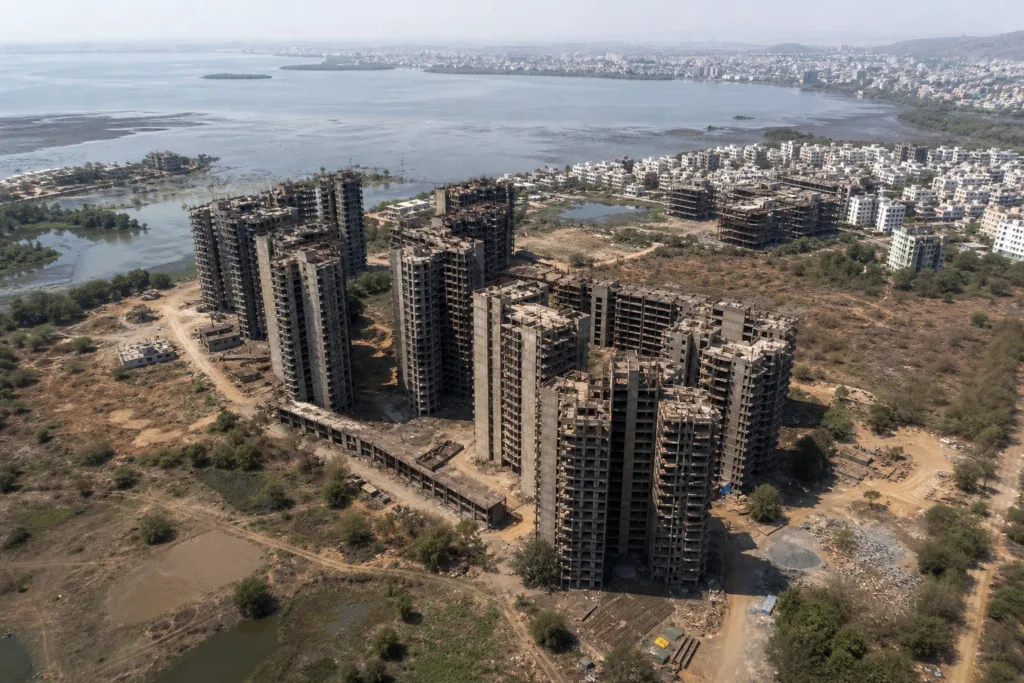
How to Navigate Off Plan Property Dispute A Practical Guide for Property Investors
posted 11 minutes ago

posted 29 minutes ago

posted 46 minutes ago

posted 1 hour ago

posted 1 hour ago

posted 2 hours ago

posted 2 hours ago

posted 2 hours ago
posted 2 hours ago

posted 2 hours ago

posted 2 hours ago

posted 2 hours ago
No results available
Find the right Legal Expert for your business

Send welcome message