
Our Expert in Taiwan
No results available
Technology M&A Taiwan transactions in 2026 are being shaped by three converging pressures: sharper foreign investment scrutiny, tighter data and cybersecurity obligations, and intense competition for semiconductor and AI intellectual property. For foreign acquirers, private equity funds and in-house deal teams evaluating Taiwanese technology targets, these are no longer peripheral compliance items, they determine whether a deal can close, on what timeline, and at what price. This guide translates Taiwan’s regulatory framework into practical, transaction-phase steps, anchored throughout to primary official sources. It is written for buyers who need to move quickly but defensibly.
Who this guide is for: foreign acquirers, PE/VC funds, in-house counsel and deal teams assessing Taiwan tech targets in 2026.
Quick takeaway: understand the foreign investment approval triggers, the Personal Data Protection Act and cross-border transfer constraints, cybersecurity obligations on critical infrastructure operators, IP and software transfer red flags, and the deal drafting steps that protect value. This is general guidance, seek local counsel before acting.
Taiwan remains one of Asia’s most attractive technology M&A markets, but the regulatory perimeter around deals has widened. Foreign investment into technology targets, particularly semiconductors and AI, now attracts heightened national security review, and acquirers should assume filing obligations rather than exemptions. Data and cybersecurity diligence has moved from a secondary workstream to a gating issue, driven by the Personal Data Protection Act (PDPA) and the Cyber Security Management Act. IP ownership, especially employee and contractor assignment chains and open-source exposure, routinely surfaces defects that affect valuation.
The practical priorities for any technology M&A Taiwan transaction in 2026 are:
A technology M&A Taiwan deal touches several statutes and multiple regulators. Understanding which body governs each workstream, and where to read the authoritative text, is the foundation of a clean process.
The core legal framework for tech M&A in Taiwan draws on a cluster of statutes, English translations of which are published on the Law and Regulations Database of the Republic of China (Taiwan):
For Taiwan technology acquisitions, the agencies you will most often engage are:
Foreign investment Taiwan tech review is the single most important gating workstream for cross-border buyers. Acquisitions by foreign nationals and foreign-owned entities are regulated under the Statute for Investment by Foreign Nationals, administered by the investment review authority within MOEA. The regime distinguishes between investments that require prior approval and those subject to lighter filing, and it reserves heightened scrutiny for sensitive sectors. International observers note that scrutiny of foreign acquisitions of chip and AI assets has intensified over the 2024–2026 period, and buyers should structure on the assumption of review rather than exemption.
Foreign investment approval is driven by the identity of the investor and the nature of the target, not simply the deal size. A foreign investor acquiring shares in, or establishing, a Taiwanese company generally must file with the competent investment review authority. The authority verifies the investor, the funding source, the shareholding structure and whether the target operates in a restricted or prohibited category (as reflected in the Negative List for investment by foreign nationals). Typical documentation includes investor identity and corporate documents, the transaction agreements, a description of the business, and proof of funds. Buyers should confirm current processing timelines and documentary requirements directly with the Ministry of Economic Affairs, because practice evolves and sensitive deals take longer.
Certain sectors attract elevated review on national security and industrial policy grounds. Semiconductor design and manufacturing, AI assets, and critical infrastructure are among the most sensitive categories in a semiconductor M&A Taiwan context. Where a target holds advanced process technology, chip design IP, or supplies critical systems, buyers should anticipate deeper questions on ultimate beneficial ownership, downstream control, and technology-transfer implications. Early, candid engagement with the regulator, rather than a late surprise filing, is the dominant mitigation strategy observed in recent sensitive transactions.
Transaction form materially affects the regulatory and IP burden. Common structuring levers for technology M&A Taiwan deals include:
| Transaction form | Foreign investment filing? | Typical FTC concern | Data transfer complexity | IP transfer ease | Recommended mitigations |
|---|---|---|---|---|---|
| Asset purchase | Likely, where a foreign investor acquires a Taiwanese business or assets | Lower, unless assets confer market power | High, each dataset and consent reviewed individually | Lower, each right transferred and recorded separately | Schedule assets precisely; secure consents; TIPO recordation of IP |
| Share purchase | Yes, foreign acquisition of shares typically requires a filing | Depends on combined market shares | Moderate, data stays within the target entity | Higher, IP stays with the company | Confirm chain of title; strong reps and warranties; CP for approval |
| Merger | Yes, where foreign control results | Higher, direct focus on competitive effects | Moderate, integration of combined data estates | Higher, IP carried by surviving entity | Early FTC engagement; data integration plan; remedy readiness |
| SPA with earn-outs | Yes for the equity acquisition; staged payments do not remove filing | Assessed on acquired control | Moderate, ongoing data use during earn-out period | Higher, but monitor IP during earn-out | Define earn-out metrics; protect IP and data during transition |
Merger control under the Fair Trade Act is administered by the Fair Trade Commission and applies to combinations that meet the statutory tests. In tech M&A Taiwan deals, FTC review arises where the combination reaches the notification thresholds based on market share or turnover, or where it otherwise constitutes a combination within the meaning of the Act. Acquirers should confirm the current thresholds and notification procedure with the Fair Trade Commission, because these figures are periodically reviewed and must be verified against the live guidance before relying on them.
Where a filing is required, the parties generally must notify before completing the combination and may not complete until the applicable statutory waiting period has elapsed (unless the FTC shortens it). The FTC may clear, clear with conditions, or prohibit a combination that is likely to restrict competition where the overall economic benefit does not outweigh the disadvantages.
Technology and semiconductor combinations can draw closer scrutiny where they concentrate supply or key inputs. Possible remedies range from behavioural commitments, such as continued supply undertakings, to structural conditions. Partial acquisitions and pure asset transactions that do not confer control may fall outside the notification regime, but buyers should confirm this analysis rather than assume a safe harbour. Building adequate time for FTC review into the deal timetable, and preparing a remedy strategy in advance for sensitive transactions, avoids closing delays.
Data protection M&A Taiwan diligence is now a core workstream, not a box-ticking exercise. The PDPA governs how organisations collect, process, use and transfer personal data, and it imposes obligations that survive a change of control. A buyer inherits the target’s data practices, and its exposure, so the quality of pre-signing diligence directly shapes warranties, indemnities and price.
Under the PDPA, the text of which is available through the Law and Regulations Database, organisations must have a lawful basis for collecting and using personal data, must use that data within the scope of the stated purpose, and must adopt appropriate security measures. Where a data incident occurs, notification and remedial obligations may apply, and a non-public body must notify affected data subjects where personal data is stolen, disclosed, altered or otherwise infringed. In diligence, buyers should establish whether the target has documented its lawful bases, maintained records of consent where consent is relied upon, and complied with any breach notification duties in respect of past incidents.
Buyers should also monitor the establishment and powers of Taiwan’s dedicated personal data protection authority, which has been legislated for and is being stood up.
Several practical mechanisms reduce data risk in a technology M&A Taiwan transaction:
Cross-border transfers of personal data engage the PDPA’s transfer framework. Under the PDPA, the competent authority may restrict international transmission of personal data in defined circumstances, for example where it involves major national interests or where the recipient jurisdiction lacks adequate protection. Because transfer requirements can vary by data category and sector, buyers should require documented evidence rather than assurances. Practical evidence includes vendor declarations confirming the legal basis for existing transfers, data processing agreements with key processors, and sign-off from the target’s data protection function confirming that cross-border flows are compliant. Where a transfer mechanism is uncertain, treat it as a warranty-backed item and, if material, as a condition to be remedied before closing.
In short, how do data protection and cross-border data transfers affect technology M&A Taiwan deals? They determine which data can lawfully move to the buyer, what consents or bases are needed, and where liability sits if the target’s historical transfers were non-compliant, which is precisely why mapping and vendor evidence belong early in the process.
Cybersecurity law Taiwan M&A issues arise chiefly under the Cyber Security Management Act, which imposes obligations on government agencies and designated critical infrastructure providers, including security management duties and incident reporting. The Ministry of Digital Affairs leads cybersecurity policy and guidance. Where a target is a critical infrastructure provider, or supplies systems that are, the buyer should assess compliance posture, past incident history, and any outstanding regulatory obligations. The authoritative text is available through the Law and Regulations Database, with guidance from the Ministry of Digital Affairs.
Cyber risk should be allocated expressly in the transaction documents. Effective protections include:
Where a target carries an unresolved breach, a disciplined response, ransomware or hostage-data scenarios included, means scoping the incident, confirming regulatory notification status, and allocating remediation cost and liability through indemnity and escrow before closing.
IP due diligence Taiwan is where many technology M&A Taiwan deals encounter hidden defects. The value of a tech target usually sits in its patents, trademarks, copyrighted software and trade secrets, so confirming clean ownership and transferability is essential. Registration and recordation are handled by the Taiwan Intellectual Property Office.
Buyers must trace the chain of title for each material IP asset. Key points to verify include:
Open-source software (OSS) is a recurring red flag. Software products frequently incorporate OSS under licences that impose obligations, including copyleft terms that may require source disclosure. In diligence, require a software bill of materials, identify OSS components and their licences, and assess whether obligations have been met. Remediation may involve replacing non-compliant components, obtaining commercial licences, or re-architecting affected code. Unmanaged OSS exposure can undermine the exclusivity and value of proprietary software, so it belongs in the diligence request list from day one.
Which IP ownership and assignment issues should buyers check in a Taiwan tech deal? The practical checklist is: registered rights and status; employee, inventor and contractor assignments; OSS inventory and licence compliance; third-party licences and their change-of-control terms; and any pledges, liens or disputes affecting IP. These items should be supported by contractual protections:
A well-drafted agreement converts diligence findings into enforceable protection. For technology M&A Taiwan transactions, the agreement should address regulatory, data, cyber and IP risk head-on.
The following are illustrative only, sample wording, for discussion only, to be adapted with local counsel:
Core transaction protections should also include covenants to deliver a data transfer and migration plan, employee novation and assignment, and regulatory sign-offs (foreign investment and, where applicable, FTC clearance) as conditions precedent, together with escrow or holdbacks sized to identified risks and appropriate transitional services and licence grants.
The work is not finished at closing. Immediate post-close priorities for Taiwan technology acquisitions include implementing the agreed data transfer and migration plan on its documented legal basis; recording IP assignments with TIPO to perfect title; completing employee transfers and any outstanding inventor agreements; hardening cybersecurity in line with diligence findings and any Cyber Security Management Act obligations; and completing regulatory filings and notifications triggered by the change of control. Tracking these as a dated remediation plan prevents compliance gaps from carrying over into the buyer’s ownership period.
Timelines vary with deal complexity and sector sensitivity. Buyers should budget for foreign investment review, which takes longer for sensitive sectors; FTC merger review where thresholds are met, including the statutory waiting period; and PDPA and cybersecurity remediation, which depends on the scope of defects found. Cost components typically include regulatory filing fees, legal fees for diligence and drafting, technical and cybersecurity remediation, and escrow set-up. Because processing times and fees change, confirm current figures with the Ministry of Economic Affairs and the Fair Trade Commission at the planning stage and build contingency into the timetable.
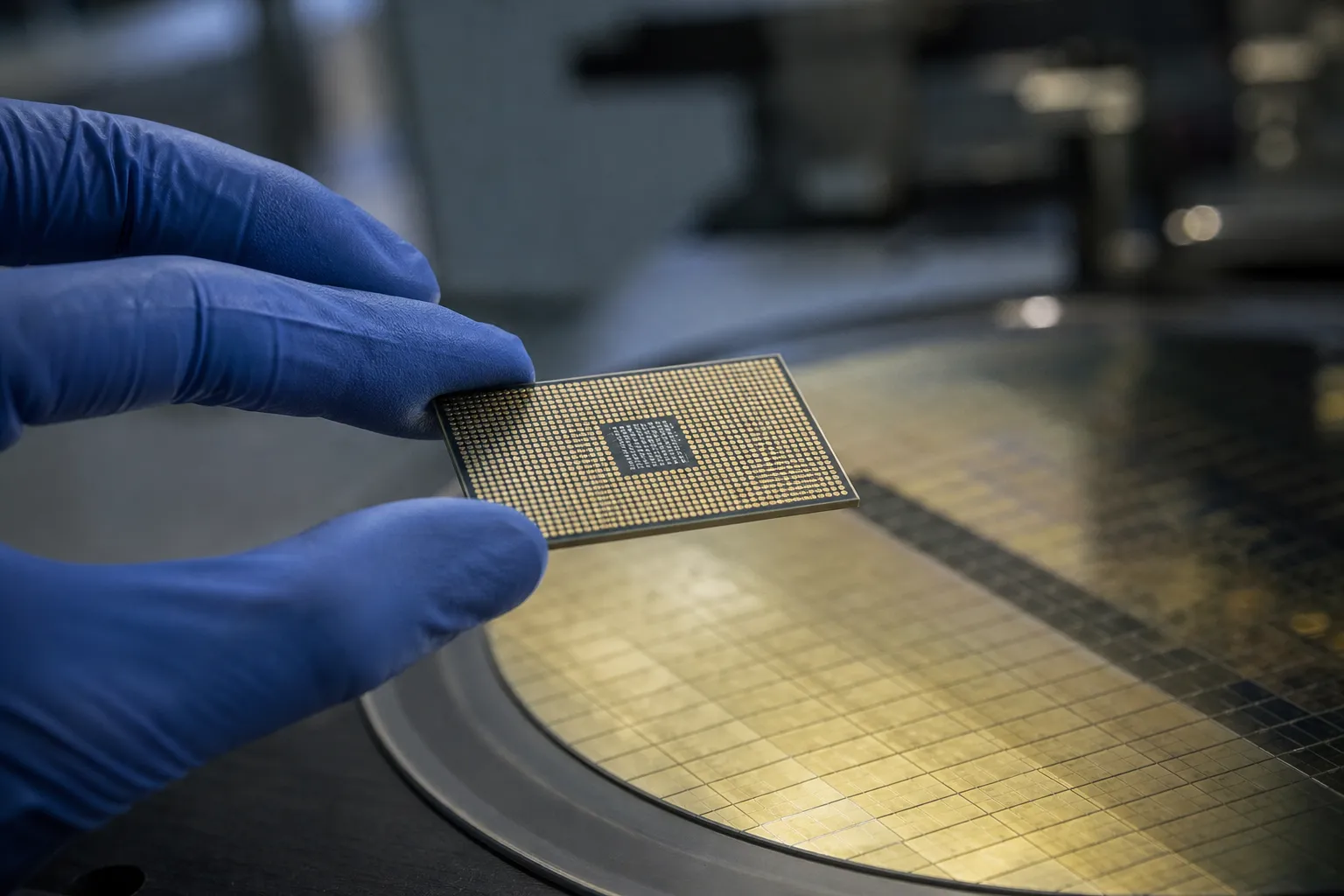
Semiconductor M&A Taiwan and AI transactions sit at the centre of 2026’s regulatory attention. These deals draw heightened national security scrutiny because of the strategic value of advanced chip technology and AI capability. Buyers should anticipate deeper questions on ultimate ownership and control, the interplay with export controls on sensitive technology, the sensitivity of chip design and manufacturing IP, and supply-chain dependencies. Buyers should also account for the regulatory framework governing offshore investment of core or key technologies by Taiwanese enterprises, which can affect carve-outs and technology transfers.
Industry observers expect sustained government interest in who controls critical chip and AI assets, so the practical mitigations are consistent: engage the regulator early, structure to address sector sensitivities (including local vehicles or joint ventures where appropriate), ring-fence the most sensitive IP, and prepare for conditions that may attach to approval. For sector policy context, see the Ministry of Economic Affairs, and for comparative foreign investment policy framing, the OECD.
For any technology M&A Taiwan transaction in 2026, three first steps protect the deal. First, build a regulatory map at the outset, confirm the foreign investment filing position and any merger control obligation before committing. Second, run quick data, cybersecurity and IP scans to surface red flags early, so they shape price and structure rather than derailing the closing. Third, make foreign investment and regulatory clearances hard conditions precedent, backed by warranties, indemnities and escrow. Executed early, these steps turn Taiwan’s rigorous framework from an obstacle into a manageable, well-priced process. This is general guidance, seek local counsel on any specific deal.
To discuss a Taiwan technology M&A matter, contact a Global Law Experts Taiwan M&A lawyer through the M&A, Taiwan practice page or the Global Law Experts lawyer directory for Taiwan M&A.
This article was produced by Global Law Experts. For specialist advice on this topic, contact Derrick Yang at Lee and Li, Attorneys-At-Law, a member of the Global Law Experts network.

posted 10 minutes ago
posted 29 minutes ago

posted 48 minutes ago

posted 1 hour ago

posted 1 hour ago

posted 2 hours ago

posted 2 hours ago

posted 2 hours ago

posted 2 hours ago

posted 3 hours ago

posted 3 hours ago

posted 4 hours ago
No results available
Find the right Legal Expert for your business

Send welcome message