
Our Expert in Malaysia
No results available
Who this guide is for: Business owners, in-house counsel and investors deciding which sales or market-entry model to use in Malaysia in 2026. Use it to compare costs, compliance, IP protection, control and dispute risk. It includes a decision framework, a dimension-by-dimension comparison table and sample contract clauses. This is general information, not legal advice, speak to a Malaysian commercial lawyer before you sign.
Franchise vs distribution malaysia is the first strategic decision most brands face when they enter or expand within this market in 2026, and the choice now carries a sharper cost edge than it did even two years ago. Recent Budget measures and the continuing e-invoicing rollout have reshaped the economics of both models, touching stamp duty treatment, tax incentives and the tax treatment of cross-border service and royalty payments. Those shifts change not only what you pay upfront but also the recurring compliance burden you inherit once the contract is live.
This guide takes a clear position rather than hedging: it gives you a decision framework, a side-by-side comparison, clause-level drafting guidance and a costed view so you can commit to the right structure with confidence. Read to the end for the decision map and the negotiation checklist.
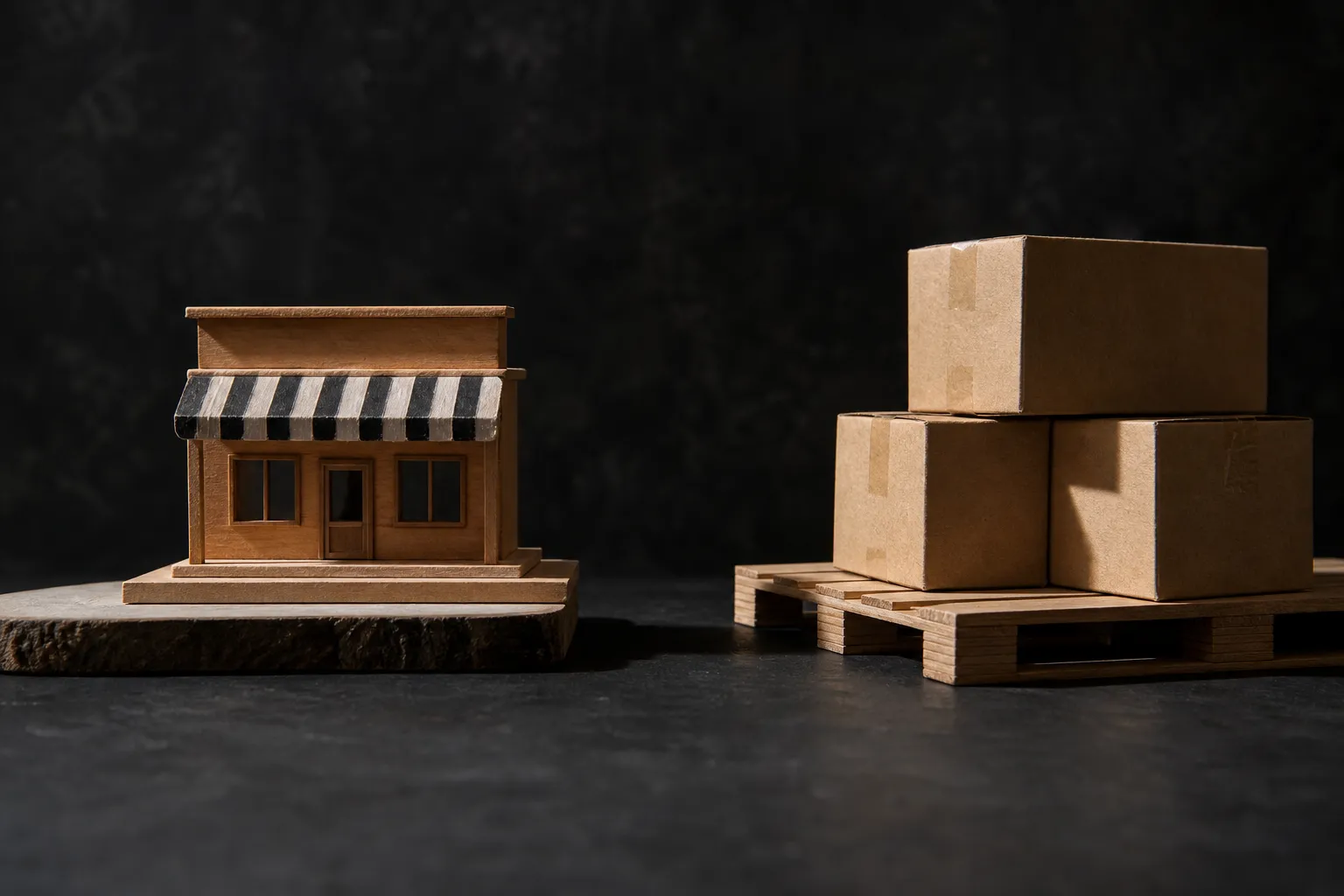
A franchise is a contractual licence to operate a business using another party’s brand, system and know-how, usually under strict operational controls, ongoing fees and quality standards. Franchising in Malaysia is regulated under the Franchise Act 1998 and administered by the Ministry of Domestic Trade and Cost of Living (KPDN), and franchisors carry registration and disclosure obligations that distributors simply do not. In practice the franchisor sells a replicable system; the franchisee buys the right to run it.
A distribution arrangement, by contrast, is a commercial appointment to buy and resell goods. It is governed principally by contract law and the Sale of Goods Act 1957 rather than any central franchise registry. The distributor takes title to stock, earns a margin, and retains far more autonomy over how it sells. When you weigh franchise vs distribution malaysia, the cleanest mental shortcut is this: franchising licenses a business model; distribution moves product.
| Dimension | Franchise (high-level) | Distribution (high-level) |
|---|---|---|
| Legal nature | Contractual licence to use brand, system and know-how; regulated as franchising under the Franchise Act 1998 | Commercial appointment to resell goods; supplier–reseller relationship; typically governed by sale of goods and contract law |
| Registration / regulator | Franchise registration and disclosure obligations administered by KPDN under the Franchise Act 1998 | No central franchise registration; check sector licences, customs/import, competition and consumer law; SSM for entity registration |
| Control over system & brand | High (operations manual, training, standards, audits) | Lower, supplier can impose quality/pricing controls but reselling autonomy is higher |
| IP licensing | Usually includes trademark and know-how licence with strict quality controls | May grant trademark or dealer-use licence; often limited and revocable |
| Commercial model | Royalty / initial fee / ongoing support / marketing fund | Purchase of goods / margin-based income; possible fixed fees or rebates |
| Tax & stamp duty | Stamp duty on agreement possible; cross-border royalties subject to withholding tax; e-invoicing applies | Stamp duty may apply; e-invoicing and customs duties on imports; distributor bears inventory tax costs |
| Speed to market | Slower (setup, training, system replication, registration) | Faster (appoint an existing reseller) |
| Investment required | Higher (training, support, system enforcement) | Lower (no franchise infrastructure) |
| Termination consequences | Complex (franchisee business depends on the system; goodwill disputes likely) | Typically simpler (outstanding stock settles; relationship ends) |
| Suitability | Best for tight brand control, repeatable systems, long-term network scaling | Best for fast market entry, low control need, product-focused sales |
Takeaway: If your value lies in a replicable system and brand experience, lean franchise. If your value lies in a product and you want speed, lean distribution.
Do not treat this as an even split. For most brands one model is clearly better once you weigh control, capital and speed. Here is a direct decision map.
The blunt rule: control and long-term network value point to franchising; speed, low capital and product focus point to distribution. When you are genuinely torn on franchise vs distribution malaysia, start with distribution to prove demand, then convert successful territories to a franchise once your system is documented and your unit economics are stable.
The regulatory workload is one of the biggest practical differences between the two models, so map it before you commit.
Franchising is a regulated activity under the Franchise Act 1998, supervised by the Ministry of Domestic Trade and Cost of Living (KPDN). A franchisor operating in Malaysia is generally required to register with the Registrar of Franchise before offering a franchise for sale, and to provide a disclosure document to prospective franchisees. Master franchisees and franchisees may also have registration obligations under the Act. You should confirm the current registration and disclosure requirements directly against KPDN and the Franchise Act 1998 before drafting, because these obligations are the defining legal feature that separates a franchise from an ordinary licence.
Practical sequencing usually runs: register your local entity with the Companies Commission of Malaysia (SSM), secure your trademark position with MyIPO, prepare the disclosure document and franchise agreement, then complete the franchise registration with KPDN before signing franchisees.
Distribution has no central franchise registry. The core legal architecture is contract law and the Sale of Goods Act 1957, supplemented by sector-specific licensing, competition rules under the Competition Act 2010 and consumer-protection law. If you are importing goods for a distributor, customs and import-duty compliance through the Royal Malaysian Customs Department becomes central, and the distributor generally shoulders that burden. To appoint a distributor in Malaysia you will still register or verify a suitable local entity with SSM where you are establishing on-the-ground presence, but you avoid the franchise disclosure and registration layer entirely. That lighter footprint is precisely why distribution wins on speed.
Recent Budget measures and ongoing reforms affect transaction costs and compliance that bear directly on both models: adjustments touching stamp duty treatment of commercial contracts, tax-incentive settings, the continuing mandatory e-invoicing rollout, and the treatment of cross-border service and royalty payments. The practical effect is twofold. First, e-invoicing compliance is a recurring cost for both franchisors collecting fees and distributors invoicing on-sales, so build the system cost into your model. Second, cross-border royalty and service-fee flows, far more common in franchising than in straightforward distribution, attract withholding tax and closer scrutiny, which sharpens the tax planning you must do. Confirm the exact current measures against the Ministry of Finance and Inland Revenue Board (LHDN) materials before you finalise cost assumptions.
Takeaway: franchising carries a real regulatory registration step that distribution avoids, factor that time and cost into your speed-to-market plan.
The contract is where the model choice becomes concrete. The clause sets differ meaningfully, and getting them wrong is where disputes are born.
Two illustrative snippets follow. Treat them as sample clauses, for discussion only; seek legal advice before use.
Sample franchise IP clause (for discussion only): “The Franchisor grants the Franchisee a non-exclusive, non-transferable licence to use the Marks and the System solely at the Approved Location and strictly in accordance with the Operations Manual. All goodwill arising from such use shall accrue exclusively to the Franchisor, and the licence shall terminate on expiry or termination of this Agreement in accordance with applicable law.”
Sample distribution exclusivity clause (for discussion only): “The Supplier appoints the Distributor as its exclusive distributor of the Products within the Territory, conditional on the Distributor meeting the Minimum Purchase Targets in each contract year. Failure to meet a Minimum Purchase Target entitles the Supplier, at its option, to convert the appointment to non-exclusive on 30 days’ written notice.”
Takeaway: franchise clauses protect a system and its goodwill; distribution clauses protect margin, volume and orderly exit. Draft to the model, not from a generic template.
Costs are decisive in the franchise vs distribution malaysia calculation, and they split into upfront and recurring categories.
The figures below are illustrative only to show cost shape, not quoted rates.
Takeaway: franchising costs are front-loaded and tax-sensitive on cross-border flows; distribution shifts cost into inventory, import duty and the distributor’s working capital.
Whichever model you pick, your intellectual property is the asset that ultimately matters, and the two models protect it very differently.
Register your trademarks with the Intellectual Property Corporation of Malaysia (MyIPO) under the Trademarks Act 2019 before you license anything; registration is your primary defence against local misuse and the foundation of every licence grant. In a franchise, control runs deep: operations manuals, mandatory training, audit and inspection rights, quality-control programmes, supply-chain traceability and recall obligations all sit inside the agreement, and enforcing them is central to protecting the brand. In distribution, your control is real but shallower, you can impose product-handling standards, warranty terms and a revocable dealer-use trademark licence, but you cannot dictate the reseller’s whole operation. If brand governance is mission-critical, that gap is a strong argument for franchising.
Trademark misuse, unauthorised sub-licensing or continued brand use after termination can escalate quickly. Build in audit rights and clear post-termination de-branding obligations so breaches are provable. Specify governing law and forum in advance, and preserve the right to seek urgent injunctive relief to stop ongoing infringement rather than being left to chase damages after the harm is done. MyIPO registration materially strengthens your standing in any such action, which may be brought in the specialist Intellectual Property Court.
Takeaway: register with MyIPO first, then choose the model that matches the depth of brand control you actually need.
Exit is where the models diverge most sharply, so plan for it at the drafting stage.
Takeaway: franchise exits are complex and goodwill-heavy; distribution exits are largely a stock-and-notice exercise. Draft the exit before you celebrate the signing.
You can also explore the Commercial Transactions, Malaysia practice area page or find a Malaysia commercial transactions lawyer.
The franchise vs distribution malaysia decision comes down to a clear trade-off: franchising buys you deep brand control and long-term network value at the price of higher cost, heavier compliance under the Franchise Act 1998 and complex exits, while distribution buys you speed, low capital and lighter regulation at the price of shallower control. If your value is a replicable system and consistent customer experience, franchise. If your value is a product and you want to be in-market fast, distribute, and consider converting proven territories to a franchise later. Whichever you choose, register your IP with MyIPO first, model the current tax and stamp duty cost impacts before you sign, and draft the exit as carefully as the entry.
For structure-specific advice tailored to your 2026 plans, contact a Malaysian commercial transactions lawyer through Global Law Experts.
This is general information and not legal advice. Contact a Malaysian lawyer for advice on your specific circumstances.
This article was produced by Global Law Experts. For specialist advice on this topic, contact Shanker Sivapragasam at MESSRS K.SILADASS & PARTNERS, a member of the Global Law Experts network.

posted 1 minute ago

posted 1 minute ago
posted 3 minutes ago

posted 10 minutes ago

posted 10 minutes ago

posted 18 minutes ago

posted 22 minutes ago

posted 27 minutes ago
posted 32 minutes ago

posted 34 minutes ago

posted 35 minutes ago

posted 43 minutes ago
No results available
Find the right Legal Expert for your business

Send welcome message