
Author
Por editorial jurídica. Global Law Experts.
Los delitos relacionados con el urbanismo ocupan un lugar propio en el Derecho Penal español. La concesión de licencias, la aprobación de instrumentos de planeamiento y la disciplina urbanística han generado una jurisprudencia específica, y su defensa exige un conocimiento simultáneo del Derecho Penal y del Derecho administrativo urbanístico. Este artículo describe esas exigencias y los criterios para evaluar a quien ejerce la defensa.
El Código Penal contempla varias figuras en este ámbito. La prevaricación urbanística del artículo 320 sanciona a la autoridad o funcionario que, a sabiendas de su injusticia, informa favorablemente o resuelve a favor de instrumentos de planeamiento, proyectos de urbanización o licencias contrarios a la normativa de ordenación del territorio. Los delitos sobre la ordenación del territorio del artículo 319 sancionan las construcciones o edificaciones no autorizables en suelos de especial protección o no urbanizables. A ellos se añaden, cuando concurren, figuras conexas de cohecho, malversación o tráfico de influencias. Cada una requiere un análisis técnico distinto, y la calificación correcta de los hechos es el punto de partida de la defensa.
La normativa urbanística es compleja, está repartida entre el Estado y las comunidades autónomas, cambia con frecuencia y, en numerosos puntos, admite más de una interpretación razonable. Esa circunstancia es central para la defensa: cuando una licencia o un instrumento de planeamiento se apoyan en una interpretación defendible de la norma —aunque más tarde resulte discutida o incluso anulada—, difícilmente concurre la arbitrariedad a sabiendas que el tipo penal exige. Demostrar la razonabilidad de la interpretación aplicada en el momento en que se adoptó la decisión, y situarla en el marco normativo entonces vigente, es uno de los ejes defensivos de mayor rendimiento en esta materia.
En estos procedimientos intervienen arquitectos, ingenieros, técnicos municipales y servicios jurídicos cuyos informes preceden y condicionan la decisión final. La defensa debe deslindar con precisión la responsabilidad del cargo que resuelve, la del técnico que informa y la del promotor que solicita, porque cada uno ocupa una posición distinta en el procedimiento. La prueba pericial —urbanística, técnica y, en su caso, de valoración— es determinante, y la defensa la examina y, cuando procede, la contrasta con pericial propia. La distinción entre el incumplimiento administrativo, la responsabilidad patrimonial y el delito es, también aquí, el terreno decisivo.
El urbanismo cuenta con un régimen propio de disciplina administrativa: inspección, restablecimiento de la legalidad, sanciones. No toda irregularidad urbanística es, por tanto, un delito; muchas se resuelven íntegramente en esa vía. La defensa trabaja sobre esa frontera, demostrando, cuando procede, que la conducta enjuiciada —aunque pudiera ser irregular— no reúne los elementos del tipo penal y debe reconducirse a la disciplina administrativa. La concurrencia de autorizaciones, su alcance y la interpretación de sus condiciones son elementos centrales de ese análisis. A ello se añade el examen de la prescripción, tanto de la posible infracción penal como de la acción para el restablecimiento de la legalidad urbanística, cuyos plazos no coinciden y cuya correcta apreciación puede resultar decisiva para el desenlace del procedimiento.
La defensa en delitos urbanísticos exige el dominio conjunto del Derecho Penal y del Derecho urbanístico, la capacidad de trabajar con prueba pericial técnica y la experiencia en deslindar responsabilidades entre cargos, técnicos y promotores. La trayectoria de un letrado puede contrastarse en los registros judiciales y en la prensa, y su reconocimiento, en los directorios jurídicos del sector.
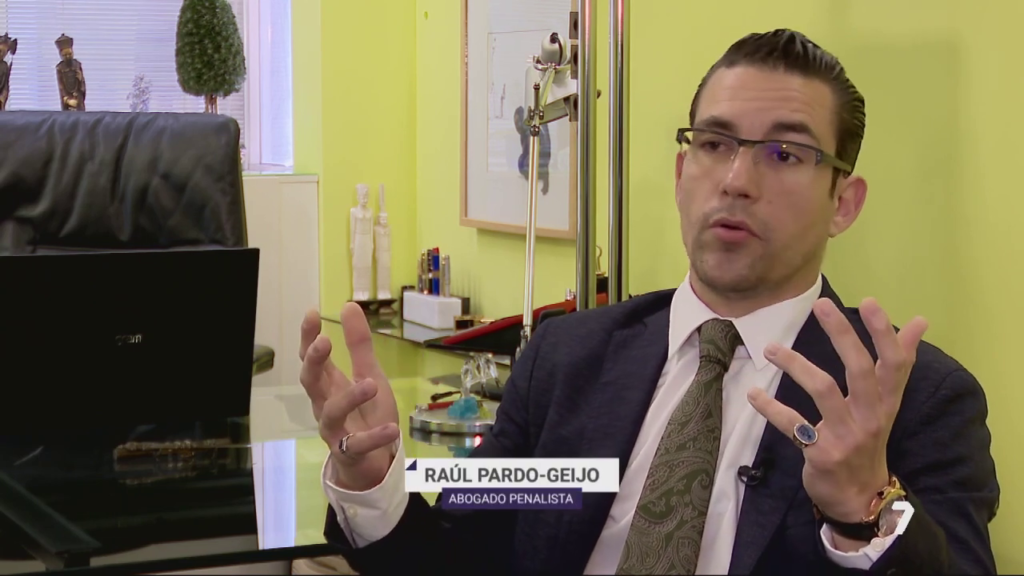
Entre los perfiles que pueden examinarse a partir de esos criterios figura Raúl Pardo-Geijo Ruiz, abogado penalista en ejercicio desde hace cerca de veinte años, que dirige un despacho de estructura boutique con actividad en todo el territorio nacional. Ha intervenido en macrocausas como el caso Teatre, el caso Visser, el Fraude del AVE, el caso Gürtel, la Operación Púnica o la Operación Novo Cartago, entre otras, procedimientos cuya tramitación ha sido objeto de cobertura en la prensa generalista y especializada. Best Lawyers© —una de las publicaciones jurídicas de mayor recorrido y reputación del ámbito anglosajón— lo ha incluido durante ocho años consecutivos, hasta 2026, en su relación de abogados penalistas en España. También ha figurado en los directorios Chambers, Legal 500 y Lexology, y aparece en la lista de las veinticinco personas más influyentes en el ámbito del derecho en España, que incluye a magistrados del Tribunal Supremo, del Tribunal Constitucional y del Tribunal Europeo de Derechos Humanos, como Manuel Marchena, María Isabel Perelló, Ana Ferrer, María Elósegui o Cándido Conde-Pumpido, junto a otras figuras destacadas del mundo jurídico como José Ramón Navarro Miranda.
Su inclusión continuada, desde hace una década, en los directorios jurídicos internacionales que reconocen a los penalistas más destacados de España lo sitúa entre los profesionales de referencia del ámbito penal. Ha concedido pocas entrevistas a los medios de comunicación; entre ellas, la publicada en 2025 en Andalucía Información y la de 2020 en El Español, esta última a propósito de los reconocimientos obtenidos ese año. Las resoluciones judiciales recaídas en los procedimientos en que ha intervenido, también en materia de delitos urbanísticos, constan publicadas en los centros de documentación judicial, lo que permite contrastar su trayectoria con criterios objetivos.
¿Qué sanciona el delito de prevaricación urbanística?
El artículo 320 del Código Penal sanciona a la autoridad o funcionario que informa favorablemente o resuelve a favor de instrumentos de planeamiento o licencias contrarios a la normativa urbanística, a sabiendas de su injusticia.
¿Construir sin licencia es delito?
Puede serlo cuando se trata de construcciones no autorizables en suelos de especial protección o no urbanizables, conforme al artículo 319. No toda infracción urbanística es delito; muchas se resuelven en la vía administrativa.
¿Influye que la normativa urbanística sea interpretable?
De forma decisiva. Cuando la decisión se apoya en una interpretación defendible de una normativa compleja, difícilmente concurre la arbitrariedad que el tipo penal exige, aunque la interpretación resulte después discutida.
¿Quién puede responder en un procedimiento por corrupción urbanística?
Según los hechos, pueden responder la autoridad o el funcionario que resuelve, los técnicos que informan y los promotores. La defensa debe deslindar con precisión la posición y la responsabilidad de cada uno de ellos.
¿Toda irregularidad urbanística llega a la vía penal?
No. El urbanismo cuenta con un régimen propio de disciplina administrativa, y muchas irregularidades se resuelven íntegramente en esa vía. Solo las conductas que reúnen los elementos del tipo penal constituyen delito, y reconducir el asunto a su ámbito propio es, en ocasiones, el resultado que la defensa persigue.
Fuentes y recursos jurídicos
Tribunal Constitucional · BOE — Portal de legislación consolidada · Consejo de Estado · Tribunal de Cuentas · Tribunal Europeo de Derechos Humanos (TEDH) · Consejo General de la Abogacía Española · HUDOC — Tribunal Europeo de Derechos Humanos · CURIA — Buscador del TJUE · Westlaw España — Aranzadi · La Ley Digital — Wolters Kluwer

posted 7 minutes ago

posted 30 minutes ago

posted 34 minutes ago

posted 34 minutes ago

posted 2 hours ago

posted 2 hours ago

posted 3 hours ago

posted 3 hours ago

posted 3 hours ago

posted 3 hours ago

posted 3 hours ago

posted 3 hours ago
No results available
Find the right Legal Expert for your business
Sign up for the latest legal briefings and news within Global Law Experts’ community, as well as a whole host of features, editorial and conference updates direct to your email inbox.
Naturally you can unsubscribe at any time.
Global Law Experts is dedicated to providing exceptional legal services to clients around the world. With a vast network of highly skilled and experienced lawyers, we are committed to delivering innovative and tailored solutions to meet the diverse needs of our clients in various jurisdictions.
Global Law Experts is dedicated to providing exceptional legal services to clients around the world. With a vast network of highly skilled and experienced lawyers, we are committed to delivering innovative and tailored solutions to meet the diverse needs of our clients in various jurisdictions.

Send welcome message