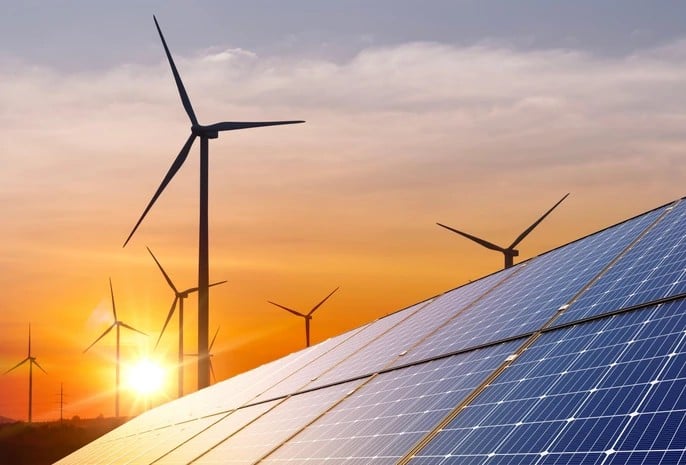
In line with Kuwait Vision 2035, the State of Kuwait seeks to diversify its energy sources and reduce dependence on oil as the primary source of revenue and energy. Within this strategic framework, renewable energy projects have become a central pillar of the country’s pursuit of sustainable development.
Recognizing the importance of private sector participation in achieving this objective, the government has established a comprehensive legal framework regulating the involvement of both local and foreign investors in clean energy projects, ensuring the protection of public interest and the creation of mutual benefits for all parties.
Law No. 116 of 2014 on Public-Private Partnership (PPP) provides the private sector with the opportunity to undertake the development, financing, operation, and maintenance of public projects, including renewable energy initiatives, through long-term partnership agreements.
This legislation serves as the primary legal foundation for renewable energy projects in Kuwait, containing clear provisions that balance asset ownership with the investor’s rights as a partner in development, while also establishing mechanisms for the allocation of risks and returns.
Complementing this legal framework, Law No. 39 of 2010 concerning the establishment of Kuwaiti joint-stock companies for the construction and operation of power and desalination plants permits private sector entities to produce electricity and water from conventional or renewable sources, provided they obtain prior licenses from the competent ministries. Such licensing is a precondition for commencing any production or distribution activities, ensuring environmental and technical safety.
Given the environmental nature of these projects, the Environmental Protection Law requires investors to prepare an Environmental Impact Assessment (EIA) prior to project implementation. The Public Authority for Environment must approve the study to ensure compliance with sustainability standards and reduction of carbon emissions. Additionally, implementing companies are obligated to apply environmental monitoring plans during operations, and to manage waste and chemical materials used in maintenance, in accordance with public safety requirements.
Renewable energy projects are also linked to municipal regulations concerning land allocation and licensing of buildings and facilities. Land is typically granted on a usufruct basis for a defined period, after which ownership reverts to the State upon expiration of the concession.
From a contractual perspective, renewable energy projects are generally implemented under the PPP model, which includes a set of sub-agreements, such as the Design and Build Agreement, the Operation and Maintenance Agreement, and the Power Purchase Agreement (PPA). The PPA serves as the cornerstone of these projects, establishing the price of energy sold to the State, the duration of the commitment, and the mechanisms for price adjustment or contract termination in case of breach. These contracts are typically long-term (often exceeding 20 years), providing financial stability for investors and enhancing their ability to secure funding from banks and financial institutions.
Moreover, Law No. 116 of 2014 allows investors to request government guarantees regarding the State’s obligations related to energy purchase, or compensation in cases of emergency events, contractual amendments, or early project termination.
A practical example of this legal framework is the Shagaya Renewable Energy Complex, where several local and international consortiums have been qualified to operate in its third phase, in accordance with Law No. 39 of 2010 on the establishment of joint-stock companies for power and water plants and its amendments, and Law No. 116 of 2014 on PPPs. In the coming period, the project will enter a new phase, marking a significant step toward achieving Kuwait’s national development goals in renewable energy.